

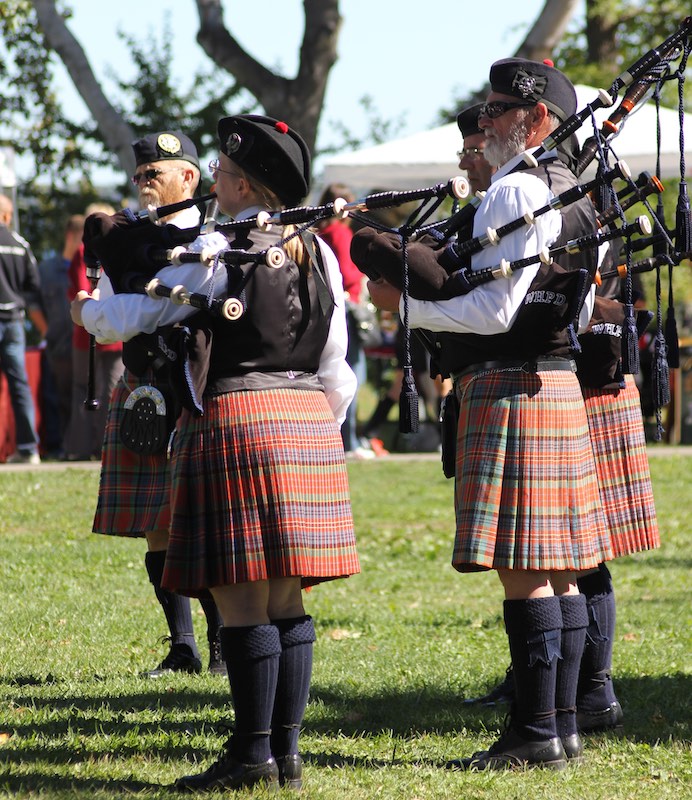
The BBC is facing calls to protect its coverage of the World Pipe Band Championships after reports that more than two decades of broadcasting one of Scotland’s great cultural spectacles could come to an end.
Stuart McMillan MSP, himself a piper, has written to BBC Director General Matt Brittin calling for the coverage to continue and questioning how its loss would fit with the broadcaster’s responsibility to represent Scotland’s communities and culture.
The championships bring thousands of pipers and drummers from across Scotland and around the world to Glasgow each year, with 211 bands from 14 countries competing at Glasgow Green in 2026 in front of around 35,000 spectators.
BBC Scotland has covered the Worlds since 2006, with its broadcasts and international online coverage giving piping and drumming an audience far beyond those able to make the journey to Glasgow.
Reports that the coverage could disappear come as the BBC seeks savings of at least £500 million across the organisation over the next three years, although the corporation says no final decision has been taken over its coverage of the 2027 championships.
McMillan has nevertheless called for assurances now, arguing that the championships represent precisely the kind of traditional Scottish culture the BBC should be protecting.
In his letter to Brittin, McMillan said:
“I am writing to you regarding deeply concerning media reports that the BBC, after 21 successful years, will no longer broadcast the World Pipe Band Championships.
“The World Pipe Band Championships partnership with the BBC has been a success story for both organisations.
“For the BBC, it has brought in strong viewership and given your organisation the ability to sell rights to broadcasters in Australia, New Zealand, Malaysia, and Pakistan.
“For the bands, it has given them the platform to showcase their skills as world class musicians and capture new audiences to the brilliant spectacle that pipe bands create, this has been a mutually beneficial relationship.
“I find it absolutely staggering that this is where your organisation has chosen to wield the axe, pipe bands and the World Championships are woven into the fabric of Scottish society, it is a vital and well-respected aspect of our culture.”
McMillan went considerably further in his criticism by comparing the reported move with the suppression of Highland culture following the Jacobite rising.
He said:
“This decision has echoes of 1746 when the British state ruthlessly rained down on Highland life and culture.”
The comparison is McMillan’s, but behind the political language is a genuine question about what happens to traditional Scottish culture when broadcasters are forced to decide what survives increasingly severe financial pressures.
The BBC has pushed back against suggestions that the matter is already settled, saying it cannot reverse a decision which it maintains has not yet been taken and confirming that a wider commissioning review remains under way.
The Royal Scottish Pipe Band Association has also said the championships will continue to be available through live streaming and that discussions are taking place with potential broadcast partners over future coverage.
Whatever eventually happens to the television coverage, the Worlds themselves are going nowhere, but after 21 years of bringing the sound and spectacle of the championships to audiences far beyond Glasgow Green, there is a strong desire within the piping community to ensure the cameras do not disappear either.


