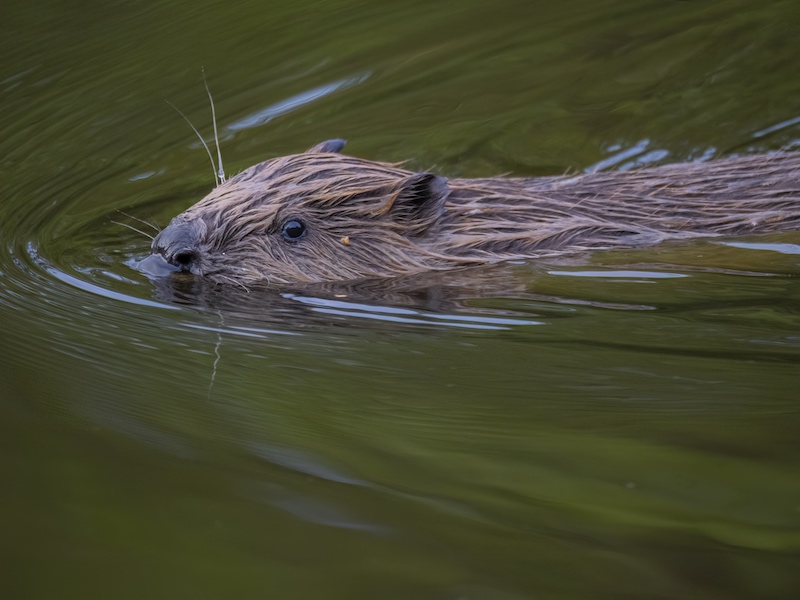
Beavers are set to return to the River Ness catchment after NatureScot approved plans to release up to 15 families across agreed sites over the next three years.
The wildlife agency has granted a licence to Trees for Life and the Beaver Trust, opening the way for the animals to establish themselves in another part of the Scottish Highlands.
The decision follows an assessment of the proposed release sites, potential environmental benefits and the concerns of people living and working within the catchment.
NatureScot believes the return of beavers could bring substantial benefits for biodiversity by creating new wetlands, ponds and habitats that support other wildlife.
The animals are also known for their ability to influence water movement through the landscape, potentially helping to moderate flooding and periods of water scarcity.
Public opinion was largely supportive during the applicants’ consultation, with more than 73% of respondents backing the proposals.
However, concerns were raised by landowners, fisheries managers and residents about the possible consequences of introducing beavers to the catchment.
These included the potential for conflicts between beaver activity and existing land management interests.
NatureScot assessed the application under the Scottish Code for Conservation Translocations, considering animal welfare, the suitability of release locations and potential impacts on neighbouring communities.
Its assessment concluded that the catchment offered significant opportunities for biodiversity improvements, with a relatively low risk of negative consequences.
Robbie Kernahan, NatureScot Director for Wildlife Management, said:
“After a careful assessment, we believe that bringing beavers back to the Ness catchment will significantly improve the biodiversity of this part of Scotland.
“Beavers can bring many benefits for nature and people, creating habitats such as ponds and wetlands where other species thrive, as well as moderating water flows in times of flood and water scarcity.
“Some concerns have been raised by land managers and residents through the consultation process and we take these seriously.
“We have assessed the monitoring and mitigation plans set out by the applicants and believe that, along with our existing Beaver Mitigation Scheme, any potential conflicts that may arise can be resolved.”
Beavers are already present in neighbouring Highland areas, including Abriachan and Strathglass, while at least one animal is known to be living on the River Oich.
Despite their proximity, NatureScot believes natural colonisation is unlikely to establish a genetically diverse population throughout the River Ness catchment in the near future.
The approved releases are intended to help establish that population while supporting the wider objectives of Scotland’s Beaver Strategy.
The animals will come from areas where beaver activity has caused problems on prime agricultural land and where attempts to manage those impacts have been unsuccessful or impractical.
Each beaver will be captured under licence and undergo appropriate health screening before being moved to its new home.
The project will also be supported by monitoring and mitigation arrangements intended to address problems should they arise.
For Trees for Life and the Beaver Trust, the approval represents another opportunity to restore a species that once formed part of Scotland’s natural landscape.
For communities around the River Ness, it marks the beginning of a new chapter in the relationship between wildlife, conservation and the people who share the countryside.