

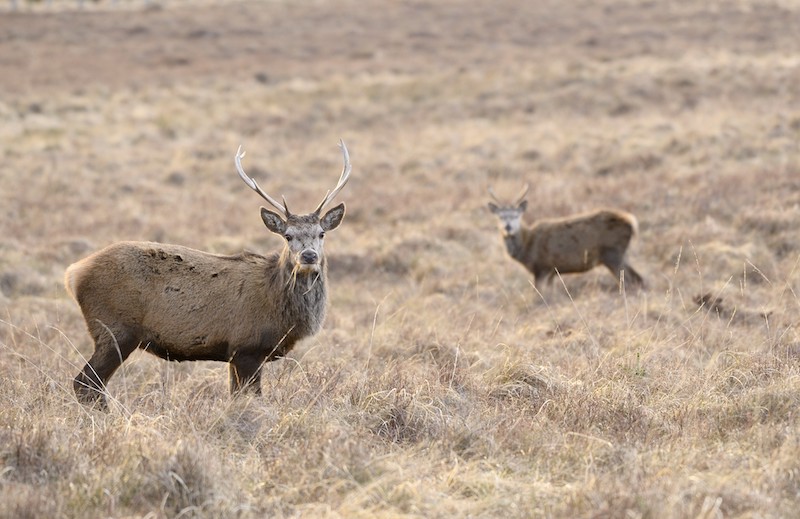
Mountain habitats across a popular Highland range are showing clear signs of recovery after years of coordinated deer management in North Ross.
Landowners and managers have been working with NatureScot since 2020 under a voluntary control agreement aimed at reducing deer densities and easing grazing and trampling pressure on sensitive blanket bog and mountain grasslands at Beinn Dearg, near Ullapool.
Herbivore impact assessments now show significantly reduced pressure compared to 2013, with 88% of monitored plots registering either low or moderate to low browsing impact.
For trampling, 76% of plots fall into the lower impact categories, indicating measurable improvement across the protected landscape.
With deer cull targets met and habitat condition improving, the formal control agreement covering around 87,832 hectares from Ullapool almost to Ardgay will now come to an end.
The North Ross Deer Management Group is developing a new long-term deer management plan to ensure continued progress at the site, which holds both Special Area of Conservation and Site of Special Scientific Interest status.
James Hall, Chair of the North Ross Deer Management Group, said:
“The North Ross group has been working with partners on the Beinn Dearg designated site for many years, with focused deer culls completed by the land managers in the group, supported on occasion by NatureScot.
“This has been done under a voluntary agreement reflecting a common interest in habitat improvement across the area.
“The group will continue to manage deer numbers and to further improve our understanding of what impacts the wild deer behaviour around the site, including gaining a better understanding of the human interactions in this popular walking and mountaineering area.
“We are keen to work with a range of interests in an effort to protect this Site of Special Scientific Interest, whilst also recognising that the site requires a degree of herbivore activity, in terms of grazing of the special grasses, to ensure they survive and thrive.”
Chris Donald, NatureScot’s Head of Operations for Central Highland, said:
“The progress made in North Ross is a great example of collaboration and cooperation between private land managers and the public sector.
“Deer stalkers and the deer management group have made this agreement a great success, working together to help the special habitats of this area recover.
“We’ll continue to support the North Ross Deer Management Group to develop their new deer management plan.
“This will be a long-term commitment to ensure deer management reflects habitat condition, contributes towards meeting nature and climate targets and also benefits the deer population in that area.”
NatureScot says sustainable deer management is essential to balance deer populations with the health of woodlands, peatlands and other habitats, particularly as Scotland seeks to address biodiversity loss and climate change.
The North Ross group will now move from its Section 7 voluntary control agreement to a 6A agreement, which requires a formal deer management plan to remain in place.


