

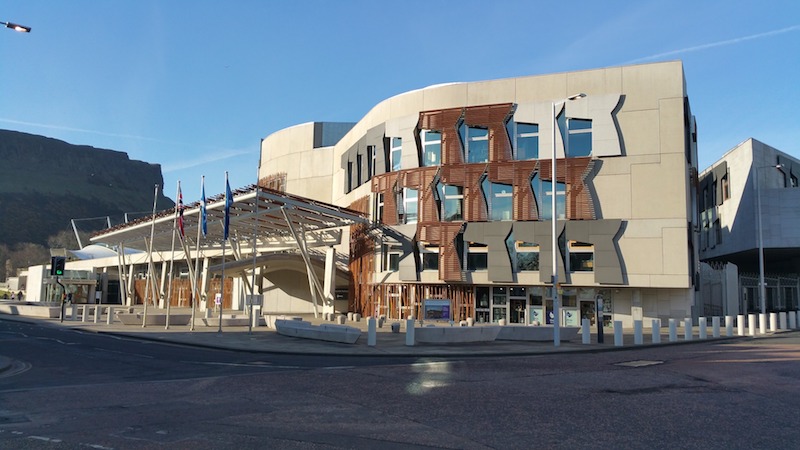
Legislation to implement the draft Scottish Budget for 2026 to 27 has been published, setting the stage for parliamentary scrutiny of almost £68 billion in public spending.
The Budget Bill delivers record investment in health, expanded action to tackle child poverty, and enhanced support with the cost of living.
MSPs will examine the proposals in detail ahead of a series of votes expected next month.
The Bill gives the Scottish Parliament the opportunity to scrutinise how funding will be allocated across public services, infrastructure, and household support.
Finance Secretary Shona Robison said she hopes to secure backing from across Parliament as the Budget process moves forward.
She urged constructive engagement, stressing that the plans reflect both Scottish Government priorities and areas raised during cross party discussions.
Robison said:
“Our spending plans provide help for hard pressed families and businesses alongside investment in public services and infrastructure.
“The Budget expands our game changing efforts to eradicate child poverty and provides greater opportunities to attain the necessary skills to gain from, and contribute to, our economy.
“Following earlier cross parliament engagement, priorities of opposition members are included alongside the Scottish Government’s spending plans, including more money to improve neurodevelopmental assessments and care for children and young people.
“It is a budget worth voting for, and we will continue to seek to work constructively to ensure it passes.”
The 2026 to 27 Budget includes a record £22.5 billion for health and social care.
This includes £17.6 billion for NHS boards and funding to begin the national rollout of walk in GP clinics, aimed at improving access to same day appointments.
Universities and colleges will receive significant additional investment, with colleges seeing a combined £70 million increase in resource and capital funding.
That uplift represents a 10 per cent increase and includes targeted support to retrain workers from the oil and gas sector.
The Budget also maintains a strong commitment to apprenticeships, with more than 31,000 people expected to benefit this year.
A wide ranging cost of living package is also set out in the plans.
This includes funding to trial after school activities between 3pm and 6pm in primary schools, a Summer of Sport programme offering free sporting activities and swimming lessons, and a commitment to provide a breakfast club in every primary school by August 2027.
Support for families is further strengthened through plans to increase the Scottish Child Payment to £28.20 per week.
Investment is also earmarked to introduce a premium payment of £40 per week for eligible children under 12 months from 2027 to 28.
The Budget continues funding for existing cost of living measures, including free prescriptions and eye examinations, free school meals for all pupils from P1 to P5, free tuition for young Scots, the removal of peak rail fares on ScotRail, and free bus travel for under 22s and over 60s.
Proposed income tax rates and bands are set out separately in a Scottish Rate Resolutio


