

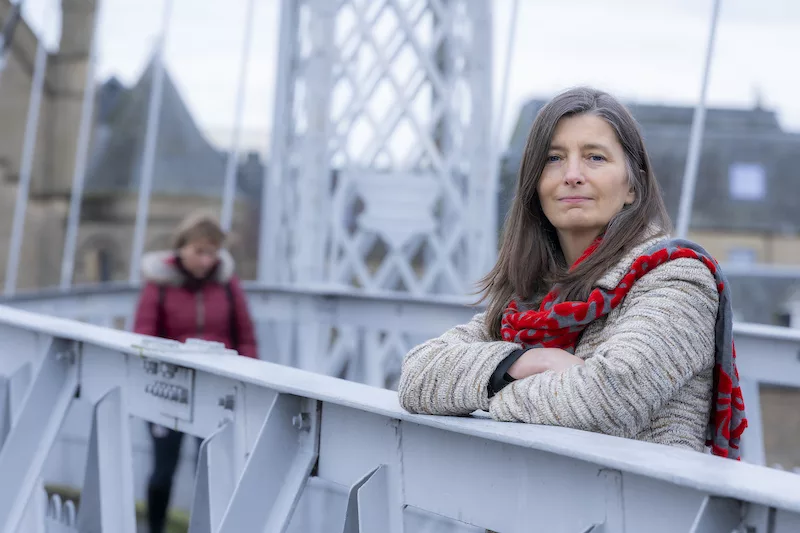

Ariane Burgess, Scottish Green MSP for the Highlands and Islands, has condemned the UK Government for what she describes as “headline-driven chaos” over halted plans to house asylum seekers at Cameron Barracks in Inverness.
The proposal to place 300 asylum seekers in the ageing military site has been paused within weeks of being announced, raising fresh questions about the planning and purpose behind the scheme.
Cameron Barracks, a 140-year-old building, requires £1.3 million in repairs before it can meet basic accommodation standards, yet the Home Office pushed ahead without involving Highland Council or local agencies.
The lack of consultation left services warning they were unprepared for the scale of need created by the proposal, with concerns over capacity, safeguarding and mental health support.
Research shows that up to 61% of asylum seekers experience PTSD and around 40% suffer severe depression, with sudden relocations and poor conditions increasing the risk of anxiety and self-harm.
Ariane Burgess said:
“This U-turn proves what we warned from the start: these plans were ill thought-through, imposed without consultation, and destined to fail.
“Asylum policy should be about dignity and integration, not political stunts.
“Scotland is a welcoming nation, but this shambolic process undermines trust and risks harming those who have already endured unimaginable hardship.
“We need a system built on partnership, transparency and humanity, not chaos.
“This fiasco shows why Scotland needs the powers to design its own humane migration system, one that reflects our values of fairness, dignity and respect.
Local agencies now await further guidance from the Home Office, with the site remaining in limbo and questions growing over the long-term future of Cameron Barracks.
The Scottish Greens say the collapse of the plan highlights a broader pattern of poor decision making from Westminster on asylum accommodation across Scotland.
They argue that repeated failures risk deepening mistrust in communities while placing additional strain on people who have already survived trauma.
The Scottish Government continues to call for early engagement with councils, trauma-informed practice and clear accountability on any future proposals.
The pause at Cameron Barracks has offered breathing space for local services but has also renewed calls for Scotland to have greater control over its own migration policy.


