

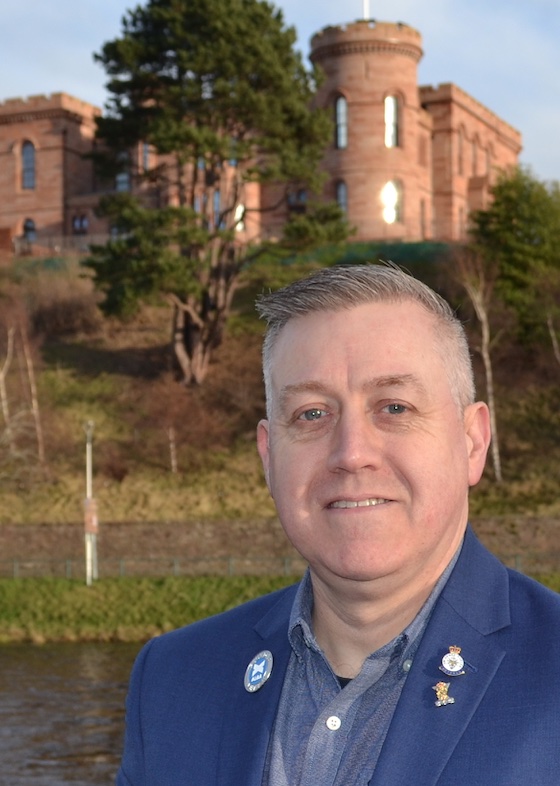
Former Highland councillor Allan Duffy has written to First Minister John Swinney demanding answers over what the planned restructuring of Scotland’s NHS boards could mean for patients living across the Highlands.
Mr Duffy has raised concerns about consultation, long journeys for treatment and the future relationship between NHS Highland and Highland Council as the Scottish Government prepares to replace Scotland’s 14 territorial health boards with two strategic bodies.
In a letter sent to the First Minister on 3 September, he questions whether Highland Council or its leader were consulted before the restructuring was announced.
He points to the existing relationship between Highland Council and NHS Highland through the Highland Health and Social Care Partnership and argues that the arrangement has allowed funding to cross between the two organisations.
Mr Duffy also highlights the particular challenges facing a region where patients can already travel considerable distances to receive specialist treatment.
He says around 56,000 people in the Highland Council area, representing approximately 23.8 per cent of the population, identify as having long term health problems or disabilities, citing Scotland’s Census data reported by Highland Council.
His central concern is what greater centralisation could mean for those people if specialist services become concentrated further away from the communities they serve.
Mr Duffy writes:
“We have an aging population and many of them dont want to travel by bus or rail as their journeys take longer, when they are used to travelling 2/3 hours (one way) from the likes of Thurso to Inverness; now they will have to travel approximately 6/7 hours (one way); when you are not well the last thing you want to do is make that journey.
“I fear people will now be left with the choice of making the journey to get better or stay at home and suffer in silence or worse.”
The former councillor also raises the financial cost of travelling to more centralised services, arguing that household finances are already under pressure from the continuing cost of living crisis.
Mr Duffy is asking the First Minister to confirm that people across Scotland will be given a meaningful opportunity to influence the restructuring before the changes are implemented.
He writes:
“Can you confirm with me that the Scottish Parliament will have a meaningful consultation with the people of Scotland asking them for their opinion and will those opinions actually be listened to?”
Mr Duffy also questions why such a significant restructuring was not put before voters during the election campaign.
“After all, we voted the SNP in to work for us.
“I note that this restructure was not in the SNP Manifesto during the election campaign.”
He goes on to ask whether the decision should be opened up to consultation across Scotland, with health boards seeking the views of their patients before Parliament makes a final decision.
The intervention adds another Highland voice to the growing debate over what one of the biggest structural changes to Scotland’s NHS in the devolution era will mean for communities where geography already plays an enormous part in access to healthcare.
For patients across the Highlands, the argument is likely to be about much more than how many health boards Scotland has, with distance, accessibility and whether decisions remain connected to the communities they affect now firmly at the heart of the debate.


