


Nine community led environmental projects across Scotland are sharing £123,000 in new funding from Crown Estate Scotland, with initiatives in Argyll, Moray and Highland among those supported.
The latest awards from the Sustainable Communities Fund back practical work on the ground, from recycling marine waste and planting hedgerows to restoring access to fragile island habitats.
Since 2020, more than £1.9 million has been distributed through the fund to help communities regenerate local environments and support sustainable development.
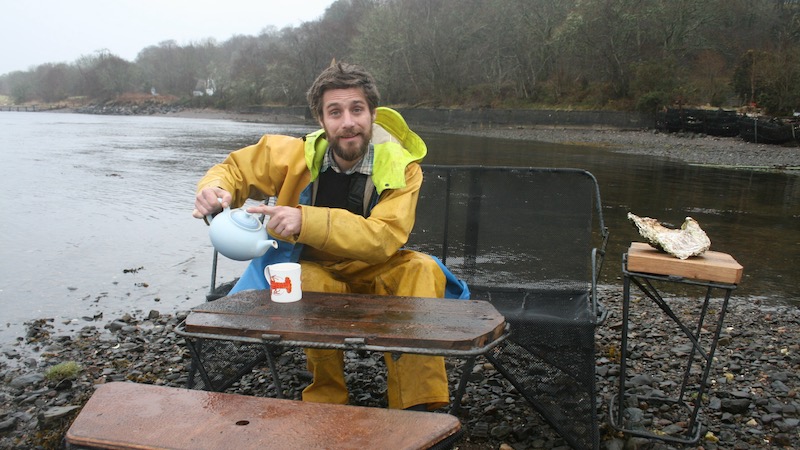
In Argyll, Caledonian Oyster Co Ltd has received £20,000 to create a solar powered recycling hub that will repurpose steel from redundant oyster farming equipment and waste plastics into durable new products.
The project will turn what would once have been scrap into decking, fence posts and outdoor furniture.
Angus Vajk from the firm said:
“As a company which farms oysters in a sustainable way, we’re deeply invested in clean seas and long-term waste reduction.
“This support from Crown Estate Scotland will enable us to take a big step forward in turning our own waste, and potentially other local marine litter, into durable, useful products for our community.
“It’s a practical circular-economy project that reduces waste, creates local value and helps keep our coastline clean.”
In Highland, the Carna Conservation Initiative has secured £20,000 to replace the pontoon linking the Isle of Carna with the Kintyre peninsula.
The original structure was destroyed by Storm Amy, cutting off safe access for researchers, volunteers and education groups to the island, which is designated as a Site of Special Scientific Interest.
Ella Milward Hamylton from the initiative said:
“This grant from Crown Estate Scotland means so much to us and the communities around Carna.
“We can rebuild our pontoon obliterated by Storm Amy, using local skilled tradespeople and ensure that we can once more welcome visitors and volunteers to continue the unique conservation work and education on this unspoilt Scottish island.”
Elsewhere, projects include hedgerow planting in Moray to support species such as the Grey Partridge, funding for anglers in Dumfries and Galloway and the Scottish Borders to tackle invasive plants, and support in South Lanarkshire to control Giant hogweed and Japanese knotweed along the River Clyde.
In the Western Isles, the Hebridean Seaweed Company Ltd will use £20,000 to construct a weather proof shelter to store and compost material used as organic fertiliser.
Ann Jacob-Chandler, Director of Development, Capital Delivery and Decarbonisation for Crown Estate Scotland, said:
“This latest round of grant awards will help to address some of the most pressing environmental challenges across Scotland, including reducing plastic waste, helping under threat species and preserving and revitalising landscapes to make them more resilient.
“The breadth of projects which have secured funding demonstrates the far-reaching and impactful nature of the Environment Grants programme and highlights how our Sustainable Communities Fund is empowering people and communities across the Scottish Crown Estate to tackle the challenges of greatest concern to them.”
From riverbanks to oyster beds and remote islands, the funding reflects a simple truth.
Environmental recovery often starts with local hands and practical tools.


