

The Highland Council has published its Access Ranger Annual Report for 2025, detailing patrol activity carried out across the Highlands between June and October 2025.
The report sets out what Rangers encountered on the ground, where pressures are rising, and how visitor behaviour continues to shape some of the most fragile and heavily visited rural areas in Scotland.
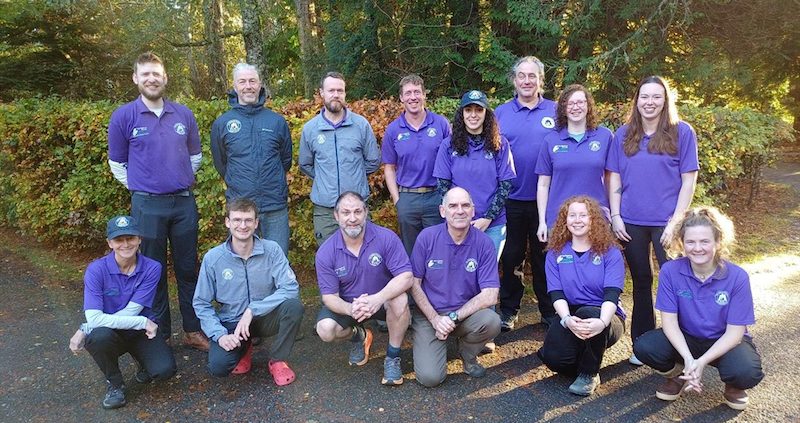
In 2025, a team of 18 Access Rangers completed 1,755 patrols and checked countryside sites on 21,358 occasions, a higher figure than in previous years when a Highland wide team was deployed.
Economy and Infrastructure Committee Chair Cllr Ken Gowans said the findings show progress in some areas but ongoing strain in others.
“It’s disappointing to see continued instances of irresponsible behaviour that fall short of what is expected under the Scottish Outdoor Access Code.
“These findings underline the ongoing need to educate visitors about respecting our beautiful Highland environment and the communities who live here.
“The 2025 report also clearly demonstrates the value and positive impact of our Access Rangers.
“Their work continues to reduce environmental damage, deter irresponsible activity, and support both residents and visitors to enjoy our outdoor environment safely and responsibly.
“From clearing abandoned campsites and collecting litter, to extinguishing unsafe fires and supporting compliance at car parks, their daily actions help protect our landscapes and promote a more sustainable and respectful visitor experience.
“This not only enhances enjoyment for everyone but also strengthens the long term success of our tourism economy.
“The Outdoor Access Team will continue in 2026, and recruitment will open shortly and subject to successful recruitment will be a similar sized team covering the area.”
Informal camping remains a significant issue, with Rangers recording 4,231 off site tents, a 13% reduction from 2023 but still far higher than levels seen before Covid 19.
The highest concentrations, along with fires, litter and abandoned tents, were found in East Lochaber and Loch Ness, with increases also noted in North Lochaber and South Skye.
Rangers discovered 45 abandoned tents, most notably in Wester Ross and Loch Ness.
A total of 31,782 recreational vehicles including motorhomes, campervans and roof tents were recorded, 2,365 fewer than previous years, although the rate per patrol increased by 8%.
Lochaber, Skye and the NC500 corridor saw the highest numbers, with particular rises in West Lochaber, Lochalsh and parts of Sutherland.
Blackwater waste dumping rose sharply, with 207 incidents recorded, a 60% increase, particularly affecting Wester Ross, Assynt, the Black Isle, Mid Ross and North Skye.
Outdoor toileting incidents totalled 6,428 across the Highlands, with North Skye, Coigach and Assynt accounting for 1,862 of those cases.
Exceptionally dry conditions heightened wildfire risk, with Rangers recording 2,681 fire marks and extinguishing 236 unsafe fires, most heavily in East Lochaber and Loch Ness.
Nearly 2,100 bags of litter were collected, 590 parking warning notices were issued, and Rangers engaged directly with 22,632 people to promote responsible access, with 269 interactions classed as negative.
The figures paint a clear picture of both pressure and presence, showing a region still welcoming visitors in large numbers while relying heavily on boots on the ground to protect what makes it special.


