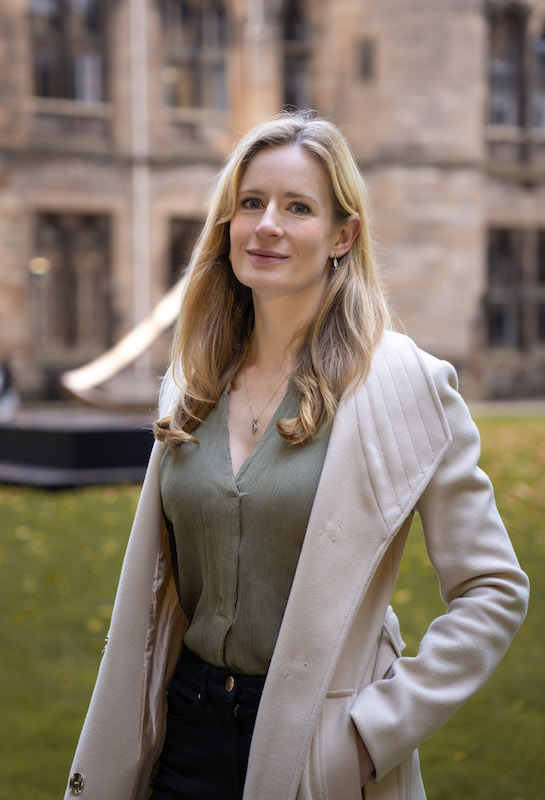
The controversy surrounding Highland Council’s decision to allow a convicted rapist to retain taxi operator licences has returned to the Scottish Parliament, with renewed demands for legislation to prevent similar decisions in future.
Scottish Liberal Democrat MSP Morven-May MacCallum raised the case during Wednesday’s Holyrood debate on violence against women and girls, challenging the Scottish Government’s refusal to introduce an automatic ban.
The intervention follows months of criticism over the handling of licences held by David Brown, who was convicted of raping an 18 year old passenger.
On 23 June, six male members of Highland Council’s Licensing Committee voted to take no action against two taxi operator licences held in Brown’s name, despite an objection from Police Scotland.
Four female councillors voted against allowing the licences to continue.
Brown subsequently surrendered both licences in August, shortly before a special council meeting was due to reconsider the decision.
Although the licences are no longer held by Brown, the case has raised wider questions about the discretion available to councils when assessing whether someone is suitable to operate a taxi business.
Ms MacCallum previously asked First Minister John Swinney to introduce legislation automatically disqualifying anyone convicted of serious sexual offences from holding taxi licences.
Highland Council has also requested a review of the rules governing eligibility for licences within the taxi industry.
However, in correspondence sent earlier this month, Mr Swinney declined to pursue the automatic prohibition being sought, maintaining that licensing decisions are the responsibility of local authorities.
The issue was raised again as Parliament considered the wider responsibilities of public bodies in protecting women and girls from violence and misogyny.
In a statement issued following the debate, Ms MacCallum’s parliamentary remarks were presented as follows:
“Earlier this year, I moved a motion at Highland Council calling for the council to become White Ribbon accredited, and for elected members to receive misogyny training to conduct their duties in a way that keeps all of their constituents safe from harm.
“This all fell in the shadow of Highland Council’s taxi licensing scandal, where six male councillors voted to allow a taxi driver convicted of raping a passenger to retain a taxi operator license.
“I appreciate the First Minister responding to my request to look into an automatic ban if someone is convicted of a serious sexual offence.
“I will admit I struggle with the answer I received.
“Because I can’t in good conscience encourage women and girls to take a taxi knowing that some male councillors lend themselves to the view that a rapist is a fit and proper person.”
Following the debate, she reiterated her demand for a change in the law.
She said:
“There is no doubt that a conviction for serious sexual offences should result in an automatic ban on holding a taxi license.
“That is why I struggle to understand the First Minister’s refusal to change the law here.
“Tackling violence against women and girls needs to be rooted in practical solutions that will keep women from harm, this ban is one such solution.
“It’s time for the Scottish Government to listen to the review that myself, Highland Council and victims have all asked for.”
The current licensing system operates under the Civic Government (Scotland) Act 1982, requiring councils to consider whether applicants and existing licence holders are fit and proper persons.
A taxi driver’s licence and a taxi operator’s licence are legally distinct, with the latter relating to the operation of a licensed taxi rather than personally driving passengers.
Ms MacCallum argues that convictions for serious sexual offences should remove the discretion to retain either form of licence.
The Scottish Government has not committed to introducing that automatic disqualification.
For Highland Council, the original decision has already resulted in substantial political consequences, including a vote of no confidence in five councillors involved.
The question now extends beyond Highland, with the debate focusing on whether a safeguarding issue exposed by one council’s decision should lead to changes applying throughout Scotland.