

The Labour Government’s first budget has drawn criticism in the Highlands after concerns were raised that the region’s needs were overlooked in key decisions affecting households, businesses and public services.
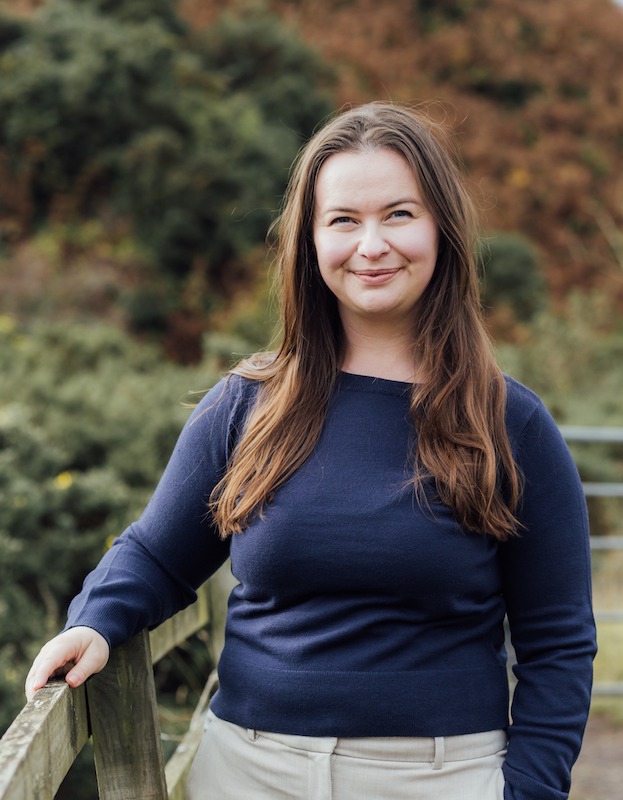
SNP candidate for Skye, Lochaber and Badenoch Eilidh Munro said the measures announced at Westminster do little to address the pressures already facing rural communities and warned that the increase to Scotland’s funding will not cover the additional costs created by last year’s national insurance rise.
The budget confirmed a series of policy U turns that the SNP had pushed for, but also left several previous Labour commitments unfulfilled, including earlier promises on energy bills and wider support for Scottish industry and jobs.
Munro said the initial figures suggest a budget that lacks coherence and offers little reassurance to people in the Highlands who are already coping with rising prices.
“It will obviously take some time to digest the contents of the budget and determine its implications for Scotland, but this seems to be a mishmash of tax hikes and cuts, with the OBR predicting a further drop in UK growth as a result along with higher inflation, detrimentally affecting Highland households, businesses and public services.
“Our needs seem to be an afterthought, if that.
“While any support on energy bills is to be welcomed, Labour did promise a £300 cut in energy bills going into the General Election.
“Instead, they’ve risen by an average of £187 per household since last year.
“Today’s announcement by the Chancellor falls far short of what Highland households need, especially with the energy price cap set to rise a further £60 by April, not to mention the UK Government’s continued failure to make meaningful changes to the energy system that would stop penalising households based on postcode.
“Unfortunately, there didn’t seem to be anything in today’s budget to address the root causes of the UK’s economic stagnation, these moves by the chancellor were about political survival rather than economic recovery.
“Meanwhile, a Scottish Government paper published last month highlighted that each household in Scotland could be over £10,000 better off each year if we had the powers of other similar independent countries which would allow us to take a different economic direction.”
The figures cited by Munro echo broader concerns raised across Scotland about the long term direction of the UK economy, with growth forecasts downgraded for the coming years and inflation expected to remain above earlier predictions.
Public services in rural areas remain under pressure with higher operating costs, staffing challenges and longer delivery routes all adding to local strain.
Businesses across the Highlands have also warned that cost rises and weaker market confidence continue to make planning difficult, especially in sectors reliant on transport, tourism and energy.
With households facing higher bills and the region managing its own structural challenges, the response to the budget is likely to shape much of the political debate in the run up to the next General Election.


