


Iran has now entered its ninth day under a near total internet shutdown, cutting millions of people off from the outside world and from one another.
Phone communications have also been disrupted for many families, leaving relatives abroad with no way of knowing whether their loved ones are safe or even alive.
What little information is emerging comes from Iranians who have recently managed to leave the country, or from those who were in Iran over the Christmas period and are now sharing first hand accounts.
A small number of images, sent to international media at enormous personal risk, show a country under siege.
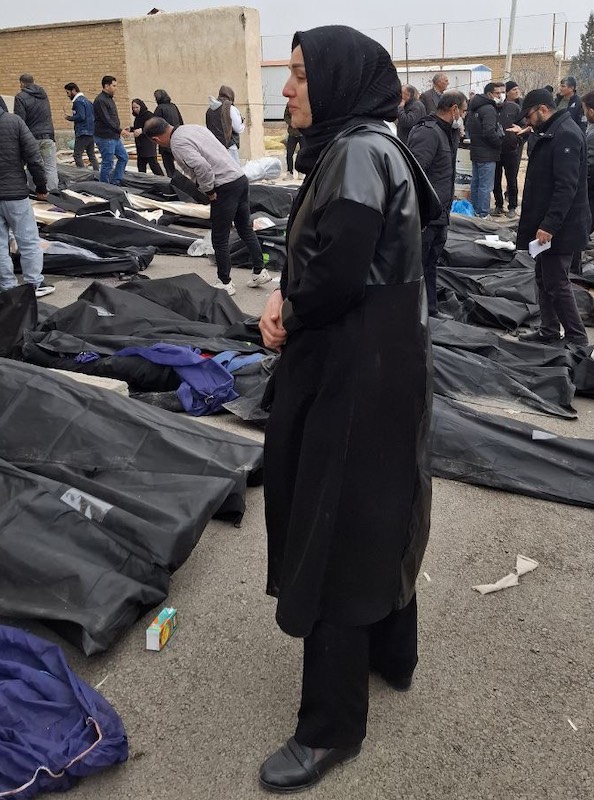
They include bodies wrapped in black covers, militarised streets, and hospitals that have become places of arrest rather than care.
Opposition media operating outside Iran say more than 12,000 protesters have been killed, while some international outlets estimate the death toll could exceed 20,000 since 27 December.
Behind those figures are individual lives, families, and futures cut short.
Protesters came from more than one hundred towns and cities, taking to the streets unarmed and demanding justice despite the risks.
Eyewitnesses report that many families have lost one or even several members during the violence.
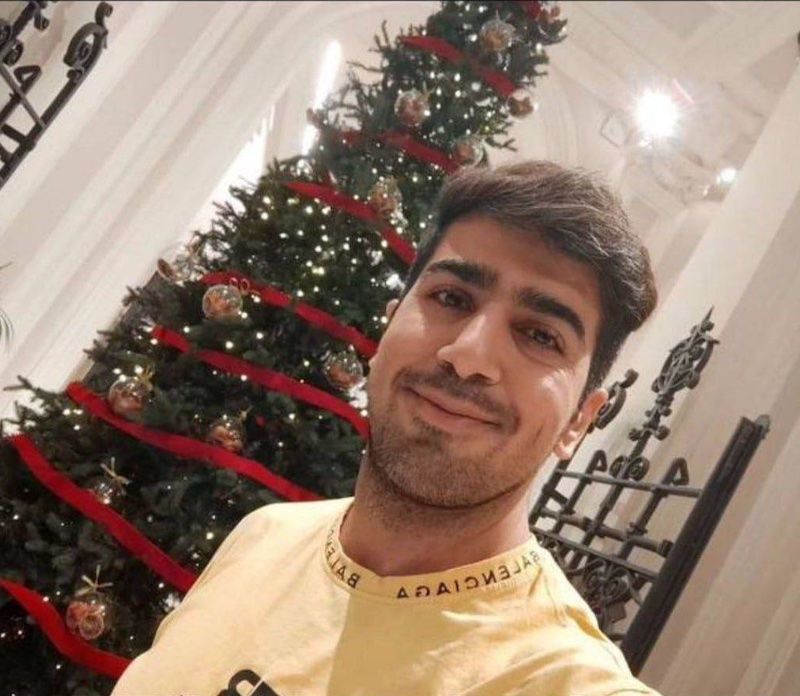
Among them was Yasin Mirzaei, a masters student in geophysics at the University of Messina, who had also received an offer from the University of Bristol.
One day before an embassy appointment, he joined the protests and was killed.
Fearing the authorities would confiscate his body, his family buried him quietly and in secret.
Families of those killed are reportedly being forced to pay between 7 and 10 billion rials, around £3,600 to £5,200, to recover bodies, or to officially state that their loved one was killed by terrorists.
One of the most disturbing questions concerns women.
Images of the bodies of female protesters are notably absent, raising fears among activists about what may be happening to women killed during the crackdown.
Doctors at Noor Eye Hospital in Tehran have reported that more than 6,000 protesters suffered severe eye injuries after security forces deliberately targeted their eyes.
Many who sought treatment were taken directly from hospital beds to prison.
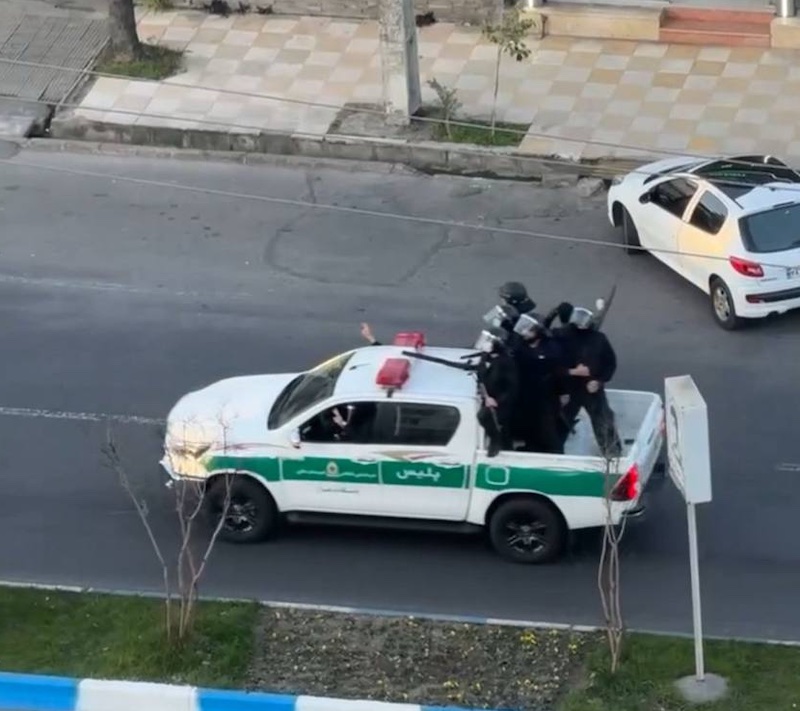
Military vehicles, tanks, and heavy weapons are now a daily presence on the streets.
According to government statements, full internet access may not return until the Iranian New Year in late March.
That would mean months of repression carried out in darkness, without global scrutiny.
Human rights activists argue that a state which shoots its own citizens, shuts down communications, and deploys military force against civilians governs through fear rather than consent.
They continue to call on the European Union, the British Parliament, and the United States to designate the Islamic Revolutionary Guard Corps as a terrorist organisation.
So far, those calls have gone unanswered.
The UK government has not summoned the Iranian ambassador and has not closed the embassy, instead recalling its own ambassador from Tehran.
Activists say this risks being read by the Iranian authorities as permission to continue.
The central question remains unanswered.
How many more people must die before Western governments move from statements to action.
Iranians are not asking for words alone.
They are asking for meaningful support, protection of human rights, and solidarity with those paying the highest price for freedom.
When the internet is cut, the truth is silenced.
And in moments like this, silence from the international community is not neutrality.
It is complicity.


