

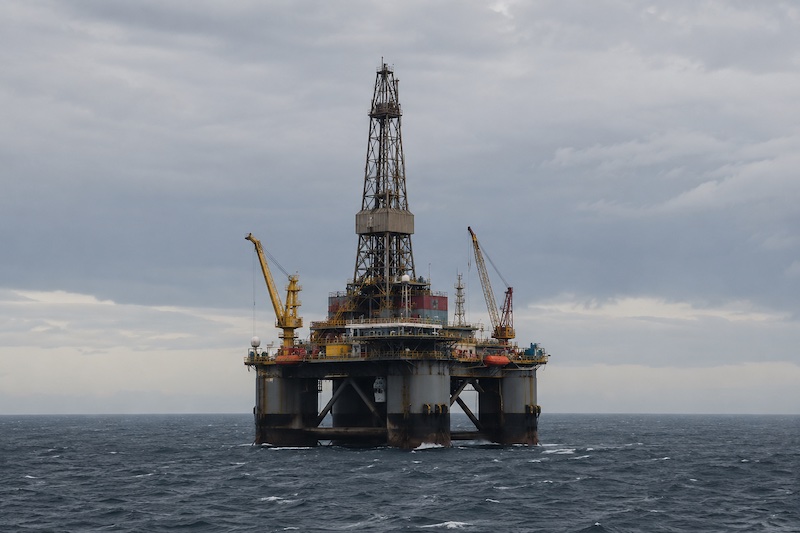
Labour’s decision on the Jackdaw and Rosebank developments could mean life or death for the North Sea oil and gas industry, according to the Scottish Conservatives.
Shadow Scottish secretary Andrew Bowie has urged Prime Minister Andy Burnham to approve both projects as the final day of consultation on the Rosebank oil field near Shetland arrives on Monday.
The consultation on the Jackdaw gas field, east of Aberdeen, closed last week.
Together, the two developments are expected to support more than 3,500 jobs during peak construction and 880 roles throughout production.
Those production jobs would have an average salary of £85,850, according to figures highlighted by the Conservatives.
Jackdaw and Rosebank are also estimated to generate £28.7 billion in gross value added across their producing lifespans.
The figures put jobs, investment and the future of the North Sea at the centre of another major energy decision facing the new Prime Minister.
The Conservatives have backed both developments and argue that approving them would provide greater certainty for workers and businesses throughout the North Sea supply chain.
They also point to BP’s decision to end its North Sea operations as further evidence of the pressure facing the industry.
Bowie said:
“Labour’s decision on both Jackdaw and Rosebank could be the difference between life and death for an industry that has supported the UK for generations.
“The absurd North Sea energy policy of both Westminster and Holyrood governments risks bringing a premature end to our oil and gas sector as we know it.
“I am absolutely positive that the results of both consultations will send a clear message to Andy Burnham to stop the small talk and get Britain drilling again.
“These oil and gas fields, which the Conservatives have supported from the very beginning, will help shape the lives of thousands of North Sea workers for years to come.
“BP’s decision to end its North Sea operations must be the catalyst for Labour to get Jackdaw and Rosebank up and running as a matter of urgency.
“Anything other than approving these fields will threaten our energy security, cost thousands of jobs, and move our world-leading oil and gas industry one step closer to extinction.”
The future of North Sea oil and gas has become one of the biggest economic questions facing Scotland, particularly across Aberdeen, the north east and communities connected to the offshore supply chain.
Behind arguments over energy policy and the transition away from fossil fuels are thousands of workers whose livelihoods remain tied to the sector.
For them, decisions over individual projects are considerably more immediate than the wider political argument about Britain’s energy future.
Rosebank and Jackdaw would represent billions of pounds of economic activity and years of work if they proceed.
The consultations will end, the submissions will be considered and ultimately a decision will have to be made.
For thousands of North Sea workers, what happens next will matter considerably more than the politics surrounding it.


