


One of Scotland’s most iconic nature reserves has marked the 50th anniversary of its protection by completing the purchase of new land beside Loch Garten.
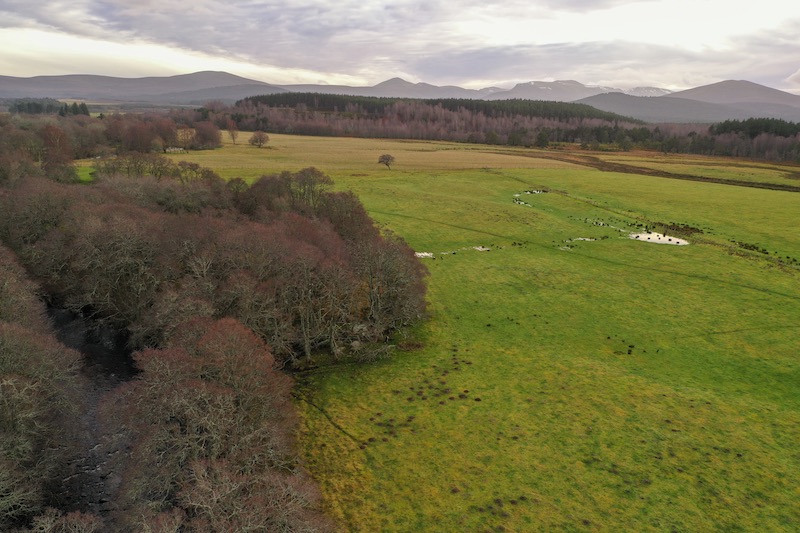
RSPB Scotland confirmed on 11 December that it has acquired 33 hectares of land at Lower Dell near Nethy Bridge, expanding the boundary of the renowned Abernethy nature reserve.
The purchase coincides with 50 years since RSPB Scotland first secured Loch Garten and the surrounding woodland in 1975 to protect wildlife and habitats for future generations.
Loch Garten first entered conservation history in 1954 when it hosted the first confirmed breeding pair of Ospreys in the UK since the species was driven to extinction in 1916 through persecution and habitat loss.
That moment helped spark a wider recovery, with Ospreys recolonising naturally from Scandinavia and becoming one of Scotland’s most celebrated conservation success stories.
Since acquiring the original site, RSPB Scotland has steadily expanded its footprint to create the 14,000 hectare Abernethy reserve, now one of the best places in the UK to see Ospreys and a major visitor destination in the Highlands.
The newly purchased land borders the existing reserve and will allow RSPB Scotland to significantly expand its cattle grazing operation.
Cattle play a key role in restoring Caledonian woodland by promoting Blaeberry growth, a vital plant for the survival of Capercaillie.
New Blaeberry growth feeds adult birds, while insects associated with the plant provide crucial food for chicks during their first weeks of life.
As heavy animals, cattle also break up dense heather, helping chicks move more easily through the forest floor, remain dry during wet springs, and stay close to their mothers.
Ben Oliver Jones, Senior Site Manager at RSPB Abernethy, said:
“Cattle grazing across a range of habitats at Abernethy is central to our vision for ecological restoration and it wouldn’t be possible without local graziers who bring cattle to the reserve.
“Cattle in the forest replicate the grazing behaviour of extinct herbivores such as Aurochs and improve conditions for birds such as Capercaillie and Black Grouse.
“The purchase of the land at Lower Dell will help us bring more cattle into the forest by making it easier for graziers to manage herds moving in and out of the area.
“Crucially, the use of No Fence GPS collars on our cattle allows us to manage herds without the need for costly and intrusive fencing in the forest.”
While Ospreys now return in numbers, with around 400 breeding pairs arriving in the UK each year after wintering in West Africa, the focus at Abernethy is increasingly on restoring forest health for species under pressure.
Capercaillie populations have declined sharply in recent decades, and RSPB Scotland says long term habitat management is essential to give the birds a future.
The land purchase is being seen as both a practical step for conservation and a symbolic moment in the story of a reserve that helped change how Scotland protects its wildlife.


