

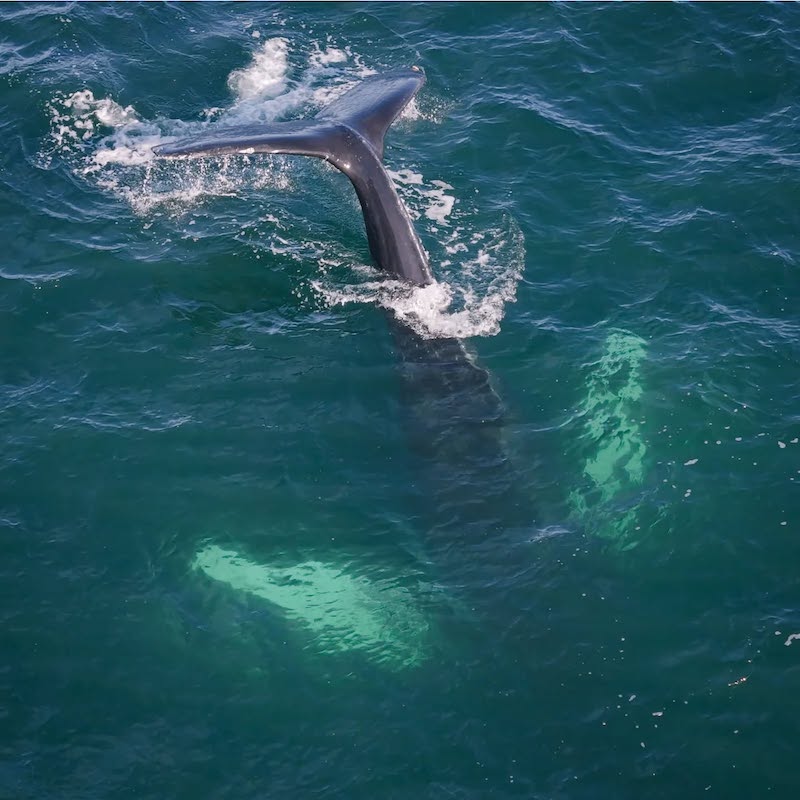

More than 100,000 whales, dolphins, porpoises and other marine megafauna were recorded in Scotland’s seas during 2025, marking a record breaking year for public marine mammal monitoring.
The sightings were reported to the Hebridean Whale and Dolphin Trust through its Whale Track app, with members of the public logging the highest annual total since recording began.
The figure is not a population estimate, but a reflection of how frequently people encountered marine wildlife while spending time on and around Scotland’s coastline.
Many animals will have been recorded more than once as individuals and groups moved through Scottish waters and were spotted repeatedly over days, weeks or months.
Together, the reports provide an increasingly detailed picture of how marine species use Scotland’s seas.
More than 1,000 citizen scientists reported 16 different species during nearly 14,000 separate encounters across the year.
Some sightings involved lone animals, while others recorded pods numbering more than 100 individuals.
For 30 years, the Trust has championed citizen science as a cornerstone of marine conservation in Scotland.
The long term dataset is considered invaluable for understanding the health of Scotland’s globally important marine environment, particularly for long lived and wide ranging species such as cetaceans.
“People are at the heart of protecting whales, dolphins and porpoises in Scotland,” said Sadie Gorvett, Sightings and Education Manager at the Trust.
“The data they collect underpins everything we do.
“Whale Track now has more than 8,000 registered users and continues to grow year on year.
“It’s an extraordinary public effort.”
Common dolphins were the most frequently reported species in 2025, accounting for more than 35% of all sightings.
Once considered rare summer visitors, common dolphins are now seen year round in Scottish waters, a shift strongly supported by long term monitoring data.
For the first time, common dolphins overtook harbour porpoises as the most frequently reported species on Whale Track.
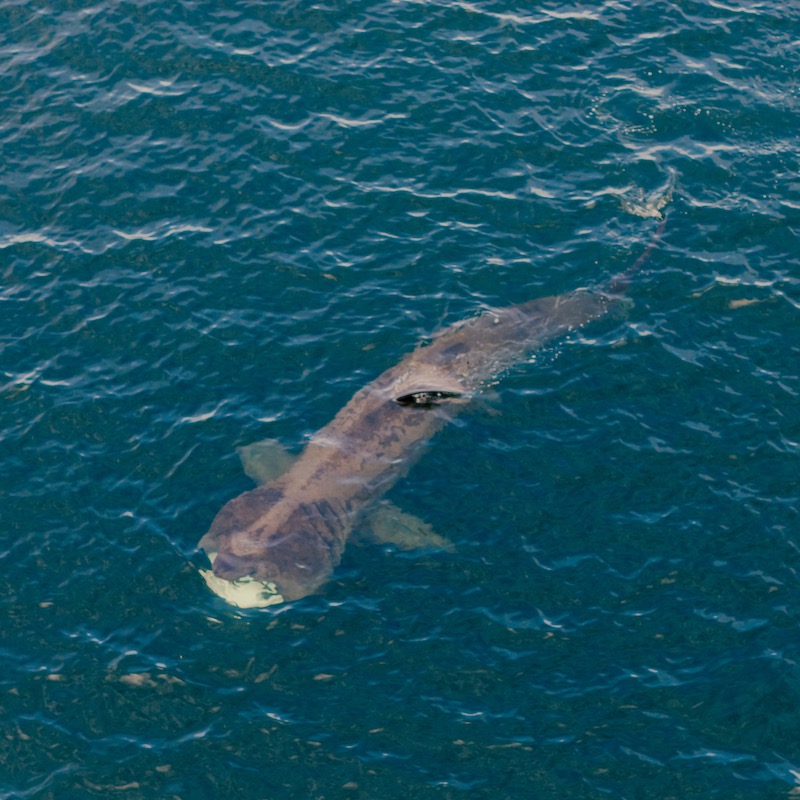
Harbour porpoises and minke whales followed closely behind, with sightings also recorded of bottlenose dolphins, basking sharks, Risso’s dolphins, killer whales, humpback whales, fin whales, sperm whales, pilot whales and sei whales.
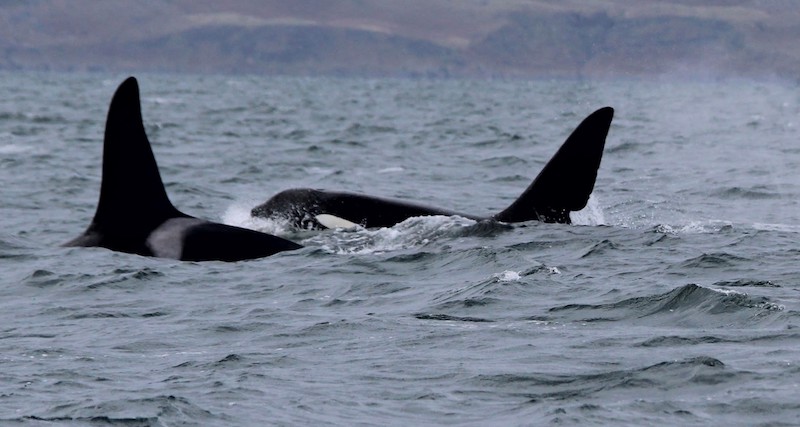
One of the year’s most significant encounters was the reunion of John Coe and Aquarius, the last known members of the West Coast Community of killer whales.
After nearly five months apart, the pair were spotted side by side in the Sound of Rum on 5th of September.
Their final confirmed sighting of the year came on 22nd of November off Camus Mor on the Isle of Skye.
Another standout moment occurred in early May when a beluga whale, a rare Arctic visitor, appeared in Loch Broom near Ullapool.
The sighting delighted local whale watchers and drew national attention.
Sunfish, among the largest bony fish in the world, were also reported during the summer months off Tiree and near the Treshnish Isles.
While Scotland’s seas are among the most diverse in Europe, they are also increasingly under pressure from noise, activity and pollution.
The Trust says citizen science offers a powerful way for people to help safeguard marine life for future generations.
Members of the public are encouraged to download the free Whale Track app and report sightings throughout the year.


