

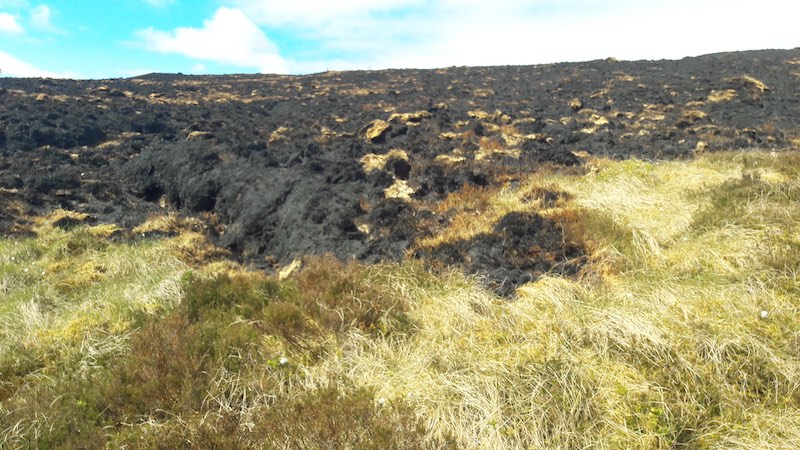
NFU Scotland is calling on the Scottish Government to delay the introduction of Scotland’s new muirburn licensing regime, warning it could make it more difficult to reduce the risk of devastating wildfires.
The new licensing system is due to come into force on 15 September, but the farming organisation believes practical land management tools must remain available as Scotland experiences longer periods of dry weather and increasingly severe wildfire incidents.
The call follows the recent wildfire in the Cairngorms National Park, which burned for weeks and had a significant impact on habitats, rural businesses, communities and emergency services.
NFU Scotland says active land management, including responsible muirburn, livestock grazing and vegetation management, plays a vital role in reducing fuel loads and helping prevent uncontrolled fires.
The organisation believes introducing the new licensing regime at this stage could create unnecessary barriers for those managing Scotland’s uplands.
Debbie Playfair, Chair of NFU Scotland’s Environment and Land Use Committee, said:
“Wildfire prevention starts long before the first emergency call is made.
“The people managing these landscapes every day need the right tools, support and flexibility to reduce risk.
“Responsible muirburn, carried out by skilled practitioners in appropriate conditions, remains one of the most effective tools available to manage vegetation and reduce fuel loads.
“We are asking the Scottish Government to delay the introduction of the licensing regime to ensure it is practical, proportionate and does not unintentionally increase wildfire risk.
“We have been working constructively with stakeholders and government since a licence was announced, however given the recent devastation of the fires, we do not believe now is the time to increase barriers to active prevention.”
NFU Scotland says it supports a balanced, evidence led approach to upland management, combining livestock grazing with other measures including vegetation cutting and responsible muirburn to reduce wildfire risk while delivering environmental benefits.
The organisation is also calling for a comprehensive Wildfire Resilience Strategy that recognises the role of active land management and supports measures such as upland grazing, firebreak maintenance, vegetation management, access routes and water points.
As part of its proposals, NFU Scotland is urging the Scottish Government to delay the introduction of the new licensing regime, ensure future agricultural support reflects the role of active upland management, and work with farmers, crofters, land managers and wildfire specialists to develop practical, evidence led approaches to reducing wildfire risk.


