

Police Scotland has launched a nationwide crackdown on illegally modified electric bikes and scooters after seizing more than 1,000 vehicles so far this year.
The week of action begins today, Monday 19 October, with road policing officers and local divisions targeting vehicles that break the law or are being used in ways that put other road users at risk.
Known as Operation Overlap, the campaign follows growing concern about powerful electric bikes that have been modified to travel faster than permitted limits, alongside reports of antisocial behaviour involving electric bikes and scooters.
Police are keen to emphasise that most electric bike owners use their machines responsibly and within the law.
However, modifications that increase a bike’s motor power or allow it to exceed legal assisted speeds can change its classification from a bicycle to a motor vehicle.
The scale of enforcement has increased considerably in recent years.
During 2025, officers seized 373 electric bikes and 196 electric scooters, an increase of more than 60% compared with the previous year.
By Friday 16 October this year, those figures had already climbed to 561 electric bikes and 441 electric scooters, taking the combined total to 1,002.
Superintendent Andy Barclay, Police Scotland’s Deputy Head of Road Policing, said:
“We know from reports made to us that concern about the misuse of e-bikes and e-scooters is a growing issue across Scotland.
“We want to be clear that illegally modified e-bikes are dangerous and not suitable for the public road.
“They pose a risk to their own riders and other road users, particularly pedestrians.
“This week of activity will focus on removing these vehicles from the roads and I want to be clear that anyone found riding a non-compliant e-bike or e-scooter on a public road will faces the risk of having it seized by officers and destroyed.
“We also want to make sure that people are aware of the legislation and their personal responsibilities if using an e-bike or e-scooter
“Please be mindful of where you can and can’t use vehicles of this type and take responsibility for your own actions and the safety of other road users.”
For the growing number of people using electric bikes across the Highlands and Islands, the distinction between a legal electrically assisted bicycle and a motor vehicle is particularly important.
An ordinary electrically assisted pedal cycle can be ridden on public roads provided it meets the legal requirements, including a maximum continuous rated motor power of 250 watts and assistance that cuts out at 15.5mph.
Machines that fall outside those requirements may be classed as motor vehicles, bringing additional legal obligations concerning licensing, insurance and protective equipment.
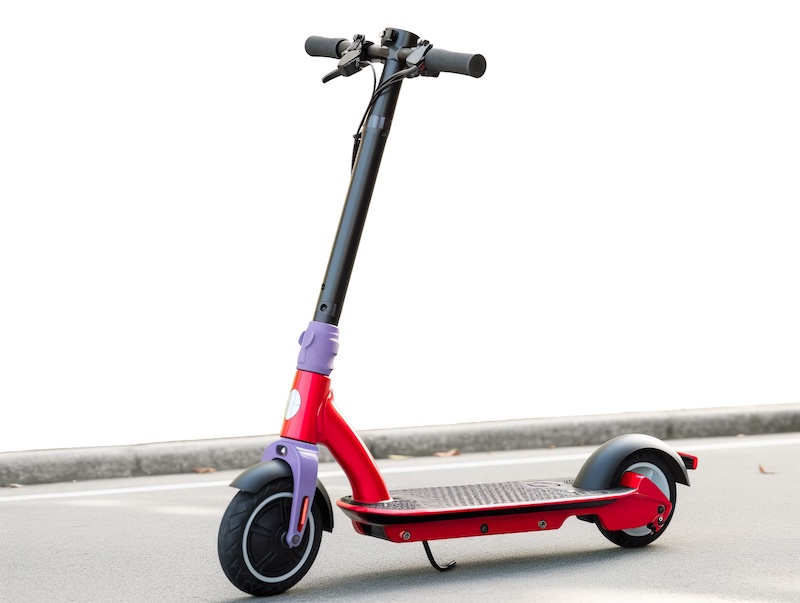
Electric scooters are subject to different restrictions, with privately owned models generally prohibited from use on public roads, pavements and other public spaces.
They can be used on private land with the landowner’s permission.
Operation Overlap is therefore not a campaign against electric cycling, but an enforcement effort aimed at vehicles that do not comply with the law.
For responsible riders, electric bikes remain an increasingly practical way to travel, whether commuting, exploring Highland roads or enjoying the region’s growing network of cycling routes.
Police Scotland’s message is that riders should understand the rules, ensure their machines comply and consider the safety of everyone sharing the road.
For further information on the use of electric bikes visit: https://www.gov.uk/electric-bike-rules


