

Disruption on the West Highland Line has prompted fresh calls for investment in rural rail infrastructure after a collapsed retaining wall halted services earlier this week.
The incident between Tyndrum and Dalmally left passengers stranded at Crianlarich on Monday morning, with the 8.22am service from Glasgow to Oban affected.
Passengers were informed of the closure shortly before 10am, leaving many uncertain about how to complete their journeys.
Those travelling onwards to island connections and time sensitive commitments faced significant delays and disruption.
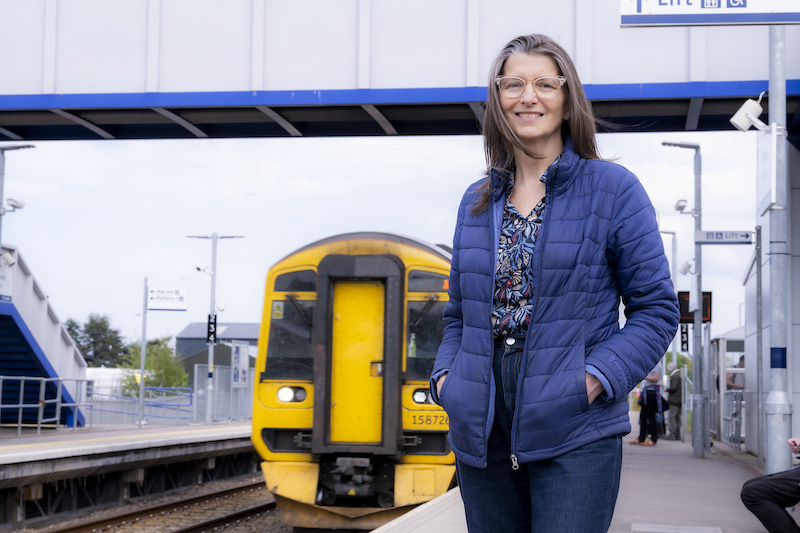
Highlands and Islands MSP Ariane Burgess said the situation highlights ongoing concerns about the condition of rural rail infrastructure.
Ariane Burgess said:
“This incident is yet another reminder of why I have consistently pushed for greater investment in the West Highland Line and our rural rail network more broadly.
“These routes are not a luxury, they are a lifeline for communities, businesses and visitors across the region.
“Ageing infrastructure simply cannot keep pace with the demands placed upon it, and the Scottish Government must treat railway investment in rural Scotland as a priority, not an afterthought.
“I would encourage anyone who needs to travel in the area today and in the coming days to make use of the new £2 bus fare cap, which came into force on Monday.
“It offers a genuinely affordable alternative for many journeys across our region, and today’s events show exactly why having reliable, low-cost public transport options matters so much to people living and travelling here.”
The disruption has again drawn attention to the importance of reliable transport links in rural areas, where alternatives can be limited.
The £2 bus fare cap introduced across the Highlands and Islands on Monday provides an alternative for some journeys, offering lower cost travel options during periods of disruption.
Passengers affected by the incident are being advised to contact ScotRail directly regarding compensation.
The disruption on the West Highland Line has renewed calls for sustained investment in rural rail, with concerns over ageing infrastructure and the impact on communities and travel.


