

Scotland’s seabird populations have fallen to around half the levels recorded in the 1980s, with new figures revealing serious long term declines among some of the country’s best known coastal species.
The latest Scottish Biodiversity Indicator for Seabirds examined 19 of the 24 species breeding around Scotland’s coastline between 1986 and 2024, with almost all of those studied declining over the long term.
Eight species have experienced significant declines, with Arctic skua suffering the most dramatic fall at 93 per cent since 1986.
Little tern numbers have declined by 75 per cent, while common tern numbers are down 73 per cent.
The findings are particularly significant for Scotland because the country supports more than 60 per cent of the UK’s seabird population.
The health of those populations also matters beyond conservation, with Scotland’s internationally recognised seabird colonies forming an important part of a wildlife tourism industry estimated to be worth £127 million to the Scottish economy each year.
Breeding success is also declining over the long term, with eight of the 16 species surveyed recording productivity below the three year average.
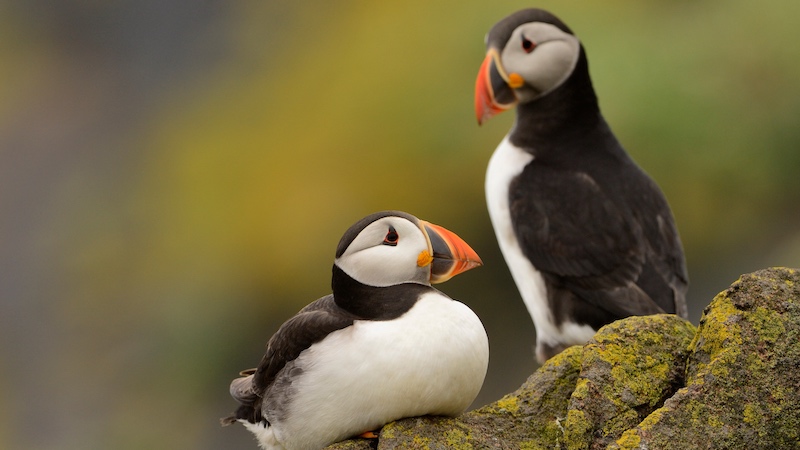
There are some more encouraging signs within the figures, with breeding success among black headed gulls, guillemots and puffins stabilising between 2022 and 2024.
Great black backed gulls and gannets also recorded higher than average breeding success during 2024, although the longer term picture for gannets has been affected by avian flu.
NatureScot Marine Ornithologist Bex Outram said:
“Scotland is home to more than 60 percent of the UK’s seabird population.
“Our seabird colonies are world-renowned, contributing significantly to wildlife tourism, worth an estimated £127 million to Scotland’s economy each year.
“But many of our seabirds are under threat.
“Climate change, food shortages, invasive species and other human pressures are contributing to their decline.
“Disease outbreaks like avian flu and extreme weather events have also had devastating impacts.
“As part of the Scottish Seabird Conservation Action Plan, work is underway to help secure the future for Scotland’s seabirds.
“Efforts are focused on three key areas: safeguarding food supplies, restoring habitats and maximising seabird survival.
“These efforts will take time to have an impact, which is why long-term monitoring coupled with advances in technology to improve our understanding of seabirds is vital.”
New technology is already being used to understand what is happening to seabirds around some of Scotland’s most important island colonies.
Funding has helped provide 40 specialist GPS tags alongside mobile and fixed base stations to track northern fulmars around St Kilda and Fair Isle.
The information will help researchers understand their foraging behaviour and investigate the pressures contributing to their decline.
For a country whose cliffs, islands and coastlines support internationally important colonies, the figures provide a stark measure of how much has already been lost.
The challenge now is ensuring that the seabirds still returning to Scotland’s shores have a future there.


