


Scotland’s nature agency has unveiled a new four year plan aimed at putting people at the centre of nature recovery while strengthening resilience to climate change.
NatureScot’s plan sets out how reconnecting people and nature will help halt biodiversity loss by 2030 and restore and regenerate Scotland’s natural environment by 2045.
The approach is built around close collaboration with communities, farmers, fishermen, developers and local authorities, with the goal of ensuring nature recovery delivers real benefits for people across the country.
NatureScot says bringing people and nature together is central to its vision of a Scotland where nature thrives and people flourish.
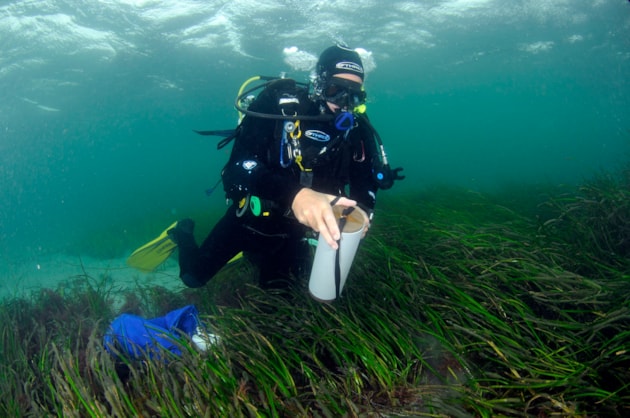
Examples of this approach are already being seen through projects such as Species on the Edge, which is funded by the National Lottery Heritage Fund and delivered by NatureScot alongside seven conservation charities.
The programme works with local communities and land managers to secure a future for 37 of Scotland’s most at risk coastal species.
Through the Scottish Government’s £65 million Nature Restoration Fund, communities are also being supported to care for local nature, including in Fife where the Crail Community Partnership has transformed a disused airfield at Kilminning into a community nature reserve.
Urban greening projects across towns and cities are helping to bring nature into daily life, offering healthier travel routes and places for people to relax and recover from everyday pressures.
In Glasgow, the Canal and North Gateway project has turned former industrial land into vibrant communities with new walking and cycling routes while also managing flood risk.
NatureScot says restoring the natural environment delivers major benefits for health and wellbeing alongside climate and biodiversity gains.
According to the Office for National Statistics, access to nature saves the NHS in Scotland more than £1 billion a year, including up to £139 million in avoided health impacts from recreation in green spaces.
Vegetation from tree planting and nature restoration also reduces air pollution, delivering an estimated £868 million in health benefits across Scotland.
Over the next four years, NatureScot will focus on strengthening people’s connection with nature, developing skills through volunteering and citizen science, and growing the nature based workforce.
The plan also commits to working with land managers to increase biodiversity on farms, in forests and in the marine environment.
NatureScot aims to safeguard at least 30% of Scotland’s land, rivers and seas by 2030, accelerate peatland restoration, expand sustainable deer management, and increase responsible investment in nature restoration and climate resilience.
Climate Action Secretary Gillian Martin said Scotland’s natural assets are vital to communities and the economy.
“Scotland’s nature and natural assets are important to people, communities and the wider economy.
“Ensuring the resilience of these assets in the face of a changing climate and biodiversity loss is critical if we are to maximise the multiple benefits they deliver for Scotland.
“I am pleased to endorse NatureScot’s next four year plan, which seeks to further strengthen people’s understanding and connection with nature and commitment to working with business on nature positive investment in support of economic growth.”
NatureScot Chair Professor Colin Galbraith said urgent action is needed to address the scale of the challenge.
“We are on the brink of losing the beauty, value and benefits of nature because our natural world is in a deepening crisis, and climate change shows little sign of slowing.
“But when people and nature come together, we can achieve truly remarkable things.
“By putting people at the heart of nature recovery, we can turn this around and enjoy the many benefits of nature, wherever we live and whatever we do.
“This plan sets out the bold actions NatureScot will take, alongside our partners and communities, to increase biodiversity and tackle climate change, making sure Scotland’s people and nature flourish.”


