

The Scottish Government has published its draft Budget for 2026 to 27, setting out plans to invest almost £68 billion to support families, strengthen public services and invest in Scotland’s long term future.
The Budget is published alongside a multi year Scottish Spending Review, Infrastructure Strategy and Infrastructure Delivery Pipeline, outlining investment approaching £200 billion over the coming years.
Ministers say the package is designed to ease cost of living pressures, protect public services and deliver major investment in health, housing, transport and education.
A central feature of the Budget is a record £22.5 billion for health and social care, including £17.6 billion for NHS boards.
The funding will support frontline services and begin the national rollout of walk in GP clinics, aimed at making same day appointments easier to access.
Local government will receive an almost £15.7 billion settlement, described as a record level of funding to support services communities rely on, including social care and education.
The Budget includes a new cost of living package focused on children and families, including funding to trial after school activities between 3pm and 6pm in primary schools.
A Summer of Sport programme will provide free sporting activities for children, including swimming lessons for every primary school pupil.
The Scottish Government has also committed to delivering a breakfast club in every primary school by August 2027.
Existing cost of living measures will continue, including free prescriptions and eye examinations, free tuition fees, free school meals for thousands of children, removal of peak rail fares on ScotRail, and free bus travel for under 22s and over 60s.
Child poverty measures include an increase to the Scottish Child Payment to £28.20 per week.
The Budget also commits to introducing a premium payment of £40 per week for eligible children under 12 months from 2027 to 28.
Additional funding will be used to mitigate the impact of the UK Government’s two child cap, including £50 million for whole family support and a further £49 million to be detailed in the Child Poverty Delivery Plan in March.
Tax changes include increases to the Basic and Intermediate rate income tax thresholds, aimed at putting more money into the pockets of low and middle income earners.
The Scottish Government will maintain existing income tax rates and bands and deliver a non domestic rates relief package worth an estimated £864 million, including support for pubs, restaurants and retailers.
Colleges and universities will receive additional funding, with colleges seeing a combined £70 million increase in resource and capital funding, equivalent to a 10% uplift.
The Budget also includes targeted retraining support for workers in the oil and gas sector and continued investment in apprenticeships, supporting more than 31,000 people into work this year.
More than £5 billion has been allocated to tackle the climate emergency, reduce emissions and build resilience, alongside investment in regenerative and sustainable food and farming skills.
Transport funding totals £4.3 billion, including rail investment, renewal of the ferry fleet, removal of peak season fares for Orkney and Shetland residents on Northern Isles ferries, and almost £200 million for dualling the A9.
Record investment in new affordable housing also forms part of the package.
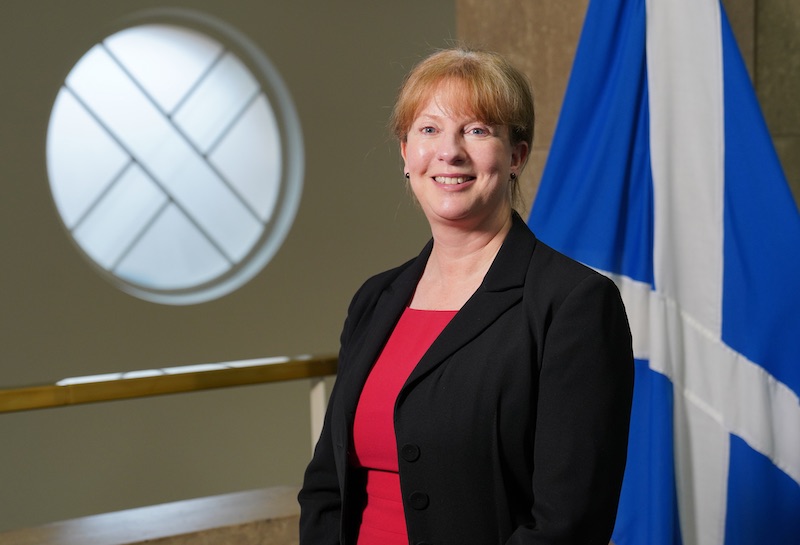
Shona Robison said:
“This Budget delivers for families across the country, for a stronger NHS, and for a more prosperous future.
“It will fund landmark policies to continue efforts to eradicate child poverty, investing in a brighter future for Scotland and the children growing up here.
“Almost £68 billion is being invested in 2026-27 and almost £200 billion through the Scottish Spending Review and Infrastructure Investment Pipeline, demonstrating the scale of our ambition for our nation.”


