

Scotland’s wealthiest frequent flyers should pay more towards the cost of public transport, according to proposals from the Scottish Greens that could raise an estimated £50 million a year.
The party wants to replace Air Departure Tax with a Frequent Flyer Levy, using the money raised to reduce train fares, improve bus services and support its longer term ambition of free bus travel throughout Scotland.
Under the proposals, people who fly regularly would pay progressively more, while occasional passengers would face a lighter burden.
Importantly for communities across the Highlands and Islands, the Greens say lifeline flights serving Scotland’s islands would be exempt.
The distinction matters in remote communities where air travel is sometimes an essential connection for work, healthcare and family life rather than a luxury.
The proposal draws on research by the Scottish Trades Union Congress, which estimated that a frequent flyer levy could raise approximately £50 million annually in Scotland.
The Greens argue that making those who fly most frequently contribute more would help reduce aviation pollution while providing additional money for public services.
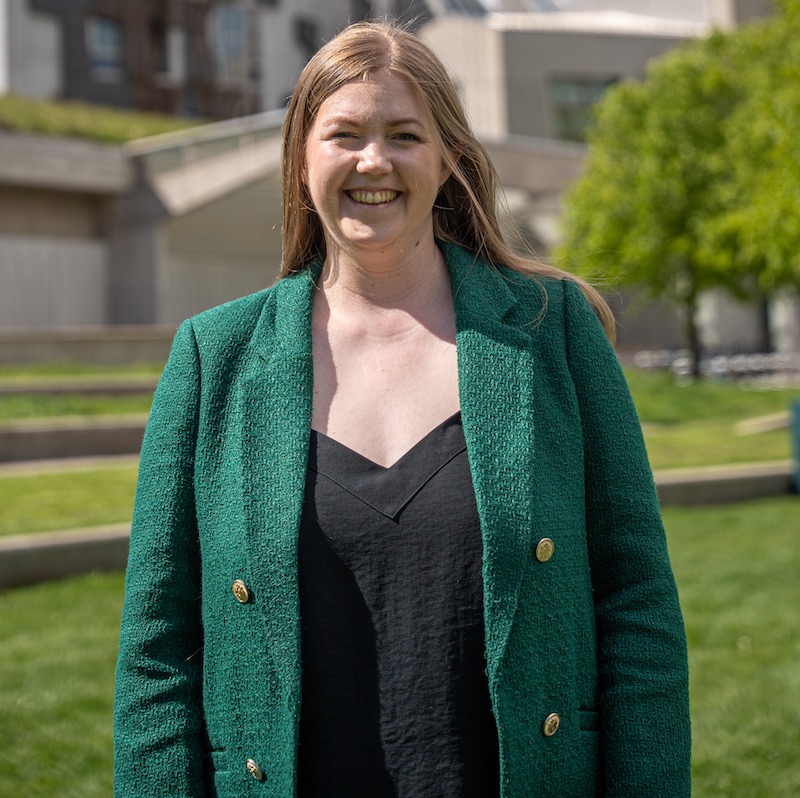
Scottish Greens co-leader Gillian Mackay said:
“The Scottish Greens believe in taxing wealth, and protecting our planet.
“A Frequent Flyer Levy would allow us to do both of those, while cutting the cost of public transport and investing in services that communities across Scotland urgently need.
“Right now, someone who flies once a year to visit family or go on holiday is taxed in much the same way as a wealthy business traveller who flies every other week.
“That simply isn’t fair.
“The wealthiest frequent flyers are also responsible for a hugely disproportionate amount of aviation pollution.
“It is only right that those who fly the most and can afford to pay the most contribute more.
“The STUC has estimated that this tax could raise an extra £50 million every year, which could be invested in cheaper train tickets, better public transport and continuing to cut the cost of bus travel until we have a service that is free for everyone in Scotland.
“With public finances under pressure, the answer cannot be to ask ordinary working people to pay more or accept cuts to the services they rely on.
“A fairer tax system should protect ordinary holidaymakers, tackle aviation pollution and raise money for affordable green travel.
“The Scottish Greens have already secured a commitment to higher taxes on private jets and rolling out the £2 bus fare cap across Scotland.
“By asking the wealthiest flyers to pay a bit more we can invest more in the public transport that people need and build a fairer, greener Scotland.”
The proposal comes as Scotland prepares to introduce Air Departure Tax on 1 April 2027, replacing the existing UK Air Passenger Duty.
The Scottish Government has confirmed that qualifying domestic flights to and from the Highlands and Islands will benefit from exemptions under the new arrangements.
However, ministers have previously ruled out introducing a frequent flyer levy, raising concerns about administrative complexity, passenger privacy and whether Scotland currently has the necessary devolved taxation powers.
That means the Greens’ proposal would require more than a change in tax rates before it could become law.
For Highland and island communities, the debate raises two important questions about how Scotland can make public transport more affordable while protecting air connections that many residents depend upon.
The Greens believe their proposals could help achieve both objectives, although the practical and legislative challenges remain unresolved.


