

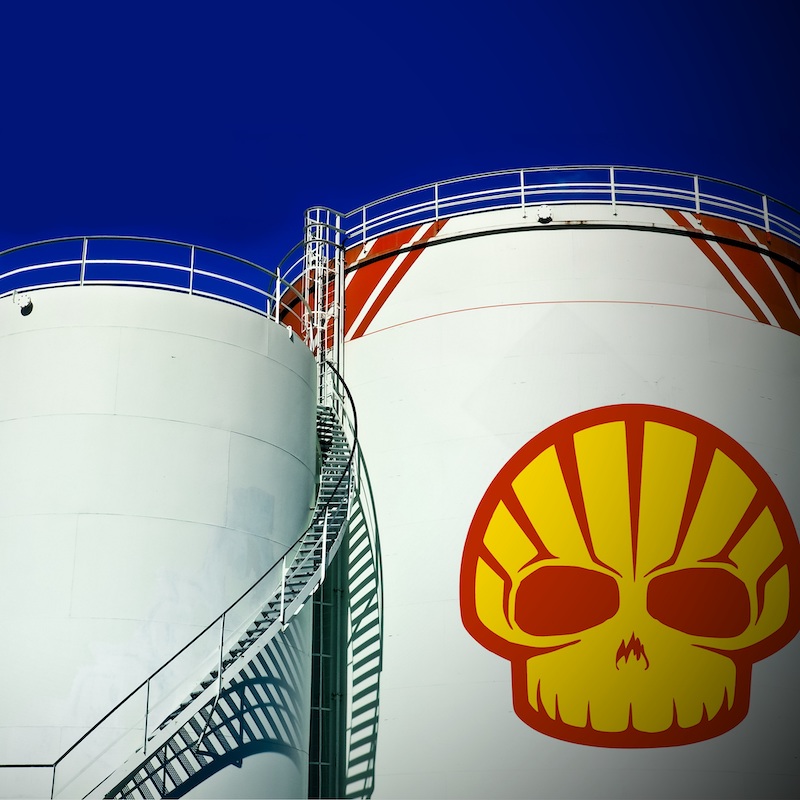
Shell has reported quarterly profits of approximately £8.1 billion, prompting fresh criticism from the Scottish Greens over the future of North Sea oil and gas, energy bills and employment across Scotland.
The energy giant’s latest financial results show adjusted earnings of $10.8 billion for the third quarter of 2026, almost double the $5.4 billion recorded during the same period last year.
The figures come as the UK Government faces renewed questions about how the profits generated by fossil fuel companies should be taxed and invested.
For communities across the North East, Orkney and Shetland, the debate extends beyond company profits to the future of thousands of jobs connected to the energy industry.
Scottish Greens energy spokesperson Kristopher Leask has accused Shell of benefiting from high energy prices while households struggle with rising bills.
He is also questioning calls to remove the Energy Profits Levy, which places an additional tax on profits from UK oil and gas production.
The criticism follows the UK Government’s recent approval of the Jackdaw gas field, with a decision on the proposed Rosebank development still awaited.
Supporters of continued North Sea production argue that domestic oil and gas can support employment, energy security and investment during the transition to cleaner energy.
The Scottish Greens believe the priority should instead be accelerating renewable energy development and ensuring workers have lasting employment opportunities beyond fossil fuels.
Leask said:
“While polluting companies like Shell extract extreme profits for their shareholders, ordinary people’s bills continue to rise beyond manageable.
“Meanwhile, politicians and lobbyists are pushing to scrap the energy profit levy, how can anyone say that oil & gas companies making such huge profits should be paying less tax for the privilege?
“The climate crisis is happening to us now.
“Wildfires have torn through the Highlands this summer, forcing communities out of their homes and destroying natural habitats for wildlife.
“Storm after storm has hit in recent weeks before we’ve even reached winter, offering very little reprieve for households to recover.
“These obscene profits are a slap in the face to workers whose jobs and futures have not been adequately planned for.
“Our changing energy economy demands that both the UK and Scottish governments genuinely support a worker led transition to a clean energy economy.
“Instead, both Labour and the SNP have buried their heads in the sand.
“An energy system that allows this kind of profiteering when so many are suffering cannot be justified.
“The time has come to end our reliance on oil and gas and transition to renewables, which can create well-paid, secure jobs and achieve lower household energy bills.
“Scottish workers cannot be the political pawns for these companies and politicians.
“Dangling a pitiful number of time limited jobs in front of them will do nothing to offer a secure future for the industry in Orkney, Shetland, and the North East of Scotland.
“Oil & Gas companies have more money than they can spend.
“It is time for them to properly invest in renewables and sustainable industries and fuel a green revolution.
“We need to seize the moment and create tens of thousands of well-paid, secure jobs that will last long after the oil and gas dries up.”
Shell attributed its stronger quarterly performance partly to improved refining margins, higher liquefied natural gas prices and increased gas volumes.
The company also announced a $5 billion share buyback programme, returning additional capital to shareholders.
Its results underline the financial strength of a major international energy producer, although its worldwide earnings are not directly equivalent to profits subject to the UK’s Energy Profits Levy.
For Scotland’s energy communities, the wider question remains how investment, employment and tax revenues can be sustained as the industry changes.
With major North Sea developments still under discussion, the disagreement over Shell’s profits reflects a continuing divide over how Scotland should manage its energy future.


