

The Scottish National Party is within touching distance of a parliamentary majority according to a new poll published ahead of the Scottish election on 7 May, 2026.
The survey, conducted by Electoral Calculus and Find Out Now, suggests the SNP could secure 67 seats, the number required for a majority in the Scottish Parliament.
The same poll places the party 16 points ahead on the constituency ballot, with Labour Party and Reform UK competing for second place.
If reflected at the ballot box, the figures would represent a significant shift in the political landscape, with Labour predicted to retain just one constituency seat.
Among those projected to lose their seat is Jackie Baillie, a result that would mark a major moment in the campaign.
The findings place the SNP firmly at the centre of the contest, with the possibility of a majority once again raising questions about Scotland’s constitutional future.
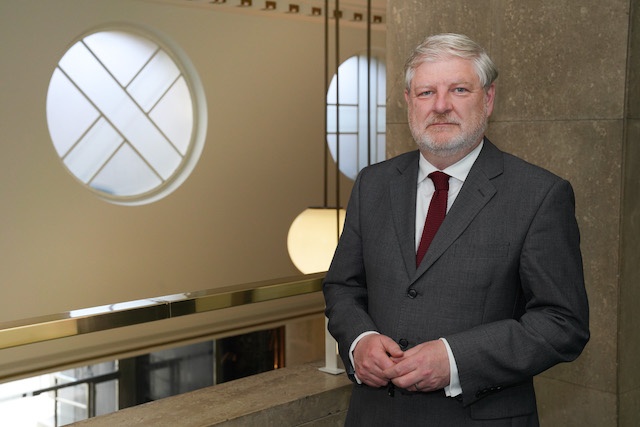
Commenting, SNP Campaign Director Angus Robertson said:
“This is yet another very positive poll showing that we are on the verge of a historic majority which will unlock the fresh start of independence and lock Nigel Farage from power in Scotland.
“But there is absolutely no room for complacency, we will be working hard for every vote between now and May 7th.
“We are the only party with a positive vision for Scotland’s future and if re-elected we will deliver a huge increase in support for childcare, £10,000 help towards a deposit for first time buyers and will always put Scotland’s interests first.
“John Swinney and the SNP will work tirelessly to deliver on the people of Scotland’s priorities, improving the NHS, supporting people with the cost of living and securing the fresh start of independence.”
The poll is likely to intensify debate across all parties, particularly as the campaign enters a critical phase where voter turnout and late decisions could shape the final outcome.
For the SNP, the figures will be seen as momentum, but also as pressure, with expectations rising alongside the numbers.
For opposition parties, the results underline the scale of the challenge ahead, with ground to make up in a short period of time.
As polling day approaches, the gap between projections and reality will narrow, with the final result resting not on forecasts but on votes cast across Scotland.


