

An Ullapool based ethical travel company is expanding into Africa with a new Morocco route launching in winter 2026, building on its work with marginalised communities across Asia and beyond.
Founded by Gavin Anderson, Nomadic Skies has developed a model focused on small group trekking experiences that directly involve and benefit local communities.
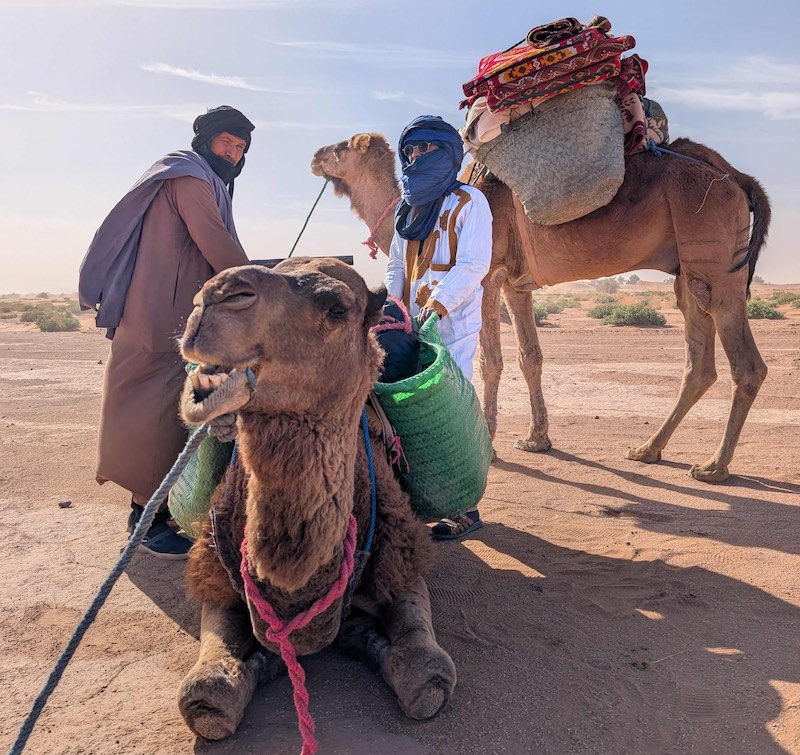
The new route will begin in Marrakesh and take travellers through the Atlas Mountains and into the Saharan desert, where trips will include trekking and camping alongside indigenous nomadic herders.
It will become the company’s eighth trekking experience, adding to a growing portfolio that now spans Asia, Africa and North America.
The move follows a period of reflection for the Wester Ross business, which says its approach has already delivered meaningful impact in some of the most marginalised regions it operates in.
In Uganda, the company has been working with Batwa communities, training local people to lead forest treks and opening up new opportunities for a group that has faced long standing exclusion.
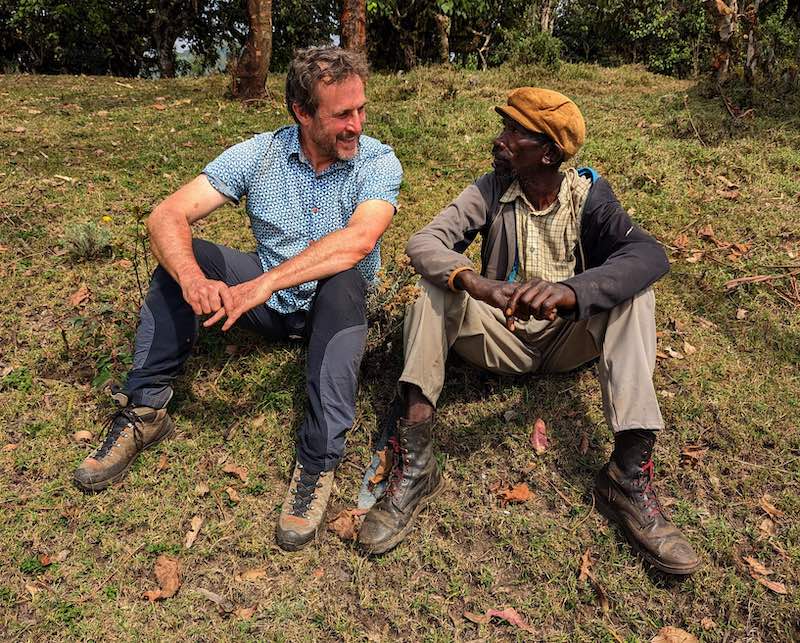
The Batwa were displaced from their forest homes in the 1990s when land was designated for conservation, leaving many without access to traditional livelihoods.
Nomadic Skies says its work is helping to build skills and create income through tourism that is rooted in local knowledge and experience.
A similar approach has been taken in Nepal, where the company has supported guides in remote areas of the northwest to establish micro enterprises linked to trekking routes.
That includes training local cooks and guides, with some now working independently or with other operators, creating a wider ripple effect beyond the original trips.
Gavin Anderson said the aim is to build something that lasts beyond the visitors themselves.
“All our trips involve local guides and learning about and experiencing their cultures, directly through them.
“By doing this, we are beginning to build local capacity and generate impacts in these countries.
“In Uganda, for example, the Batwa are probably the most marginalized ethnic group, cleared from the forests in the 1990s for conservation.
“We’ve been training up Batwa guides, one of whom was born in the forest.
“Despite the Batwa being displaced from the forest, only one person from the Batwa communities has ever been employed in the national parks, which is, in itself, an injustice.
“For our Nepal trips, we’re now working purely with local guides.
“We’ve done things like trained up cooks.
“Some of our guides are now working with other companies, which was always part of the plan and we aim to create more on-the-ground impact as we develop more trips.”
The Morocco route has been designed specifically for winter travel, taking into account extreme summer temperatures across the region.
It has also been shaped through existing local connections, with Anderson travelling to the desert himself to develop the experience alongside communities on the ground.
“We are the opposite of Instagram-type tourism where you photograph yourself beside a landmark.
“We are trying to inspire while making a difference to the people we travel with.
“We are going into places not many have travelled into but we are working directly with the local communities on the ground in these locations.
“That is our business model and how we expand into new areas.”
For a business rooted in the Highlands, the expansion reflects a growing confidence and a clear sense of direction.
It also highlights a different way of thinking about travel, where impact and experience carry equal weight.


