

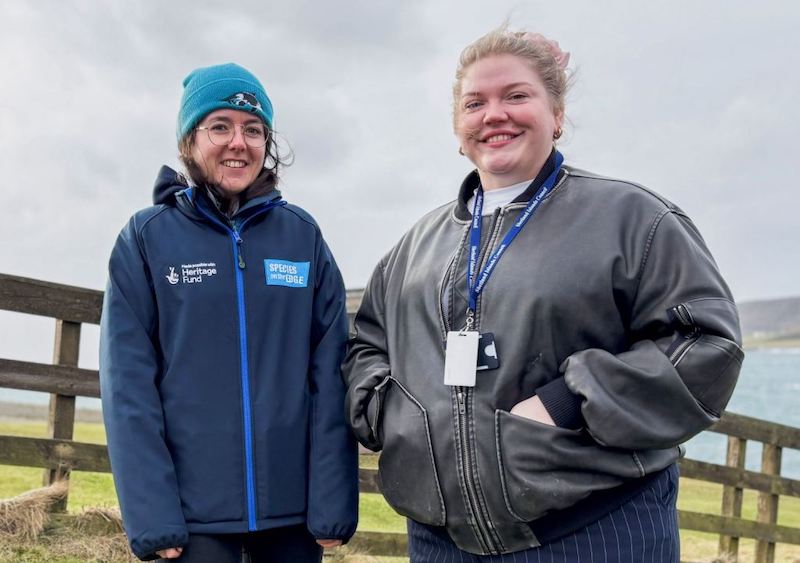
Two areas of Lerwick are set to be transformed into native wildflower sites in a new effort to support biodiversity and protect vulnerable pollinator species.
Shetland Islands Council, Shetland Amenity Trust and the nature conservation programme Species on the Edge are working together to introduce locally collected wildflower seeds at Breiwick Road and Rudda Court in Sound.
Preparation work, including lifting existing turf, is due to begin next week as part of the pilot project.
Seeds such as bird’s-foot-trefoil and red clover have been gathered locally by staff and volunteers from Shetland Amenity Trust and Species on the Edge, ensuring the planting reflects Shetland’s natural flora.
The two sites will be monitored over time to assess how different wildflower mixes perform, feeding into the wider work of Species on the Edge, a partnership led by NatureScot and seven conservation organisations including the RSPB.
The programme focuses on tackling biodiversity loss across Scotland’s coasts and islands and safeguarding rare and vulnerable species.
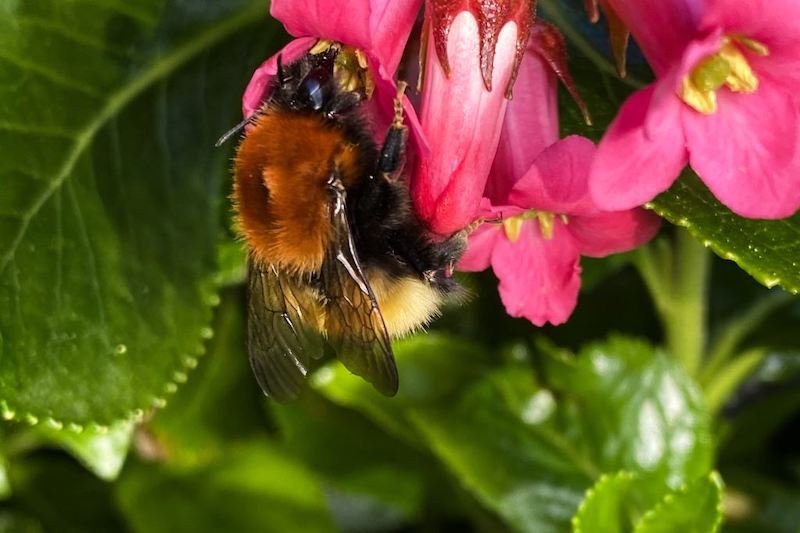
One of the key aims of the Lerwick project is to support pollinators, including the Shetland Bumblebee, Bombus muscorum, a native species found only in Shetland and the Western Isles.
The species has experienced significant population decline and is recognised as a priority for conservation in the UK.
By allowing selected areas to develop into wildflower habitats, the project hopes to provide a reliable food source for native pollinators and other wildlife that depend on them.
Funding for the initiative has been provided through the Scottish Government’s Nature Restoration Fund.
Elizabeth Clarke, Senior Climate Change Strategy Officer at Shetland Islands Council, said:
“This is a small project and the grassy areas are currently underused.
“We hope with the planting of these wildflowers the areas will become a place for nature to thrive and communal spaces for people to enjoy.
“We will be planting different types of flowers at the two sites so this will allow us to compare them over time.”
Becca Jackson, Project Officer for Species on the Edge, added:
“We’re delighted to be working with the Shetland Amenity Trust and Shetland Islands Council on this project.
“All bumblebee species across the UK are seeing a steady downward trend and being able to support our local species is so important, especially due to the Shetland bumblebee having a very restricted area.
“It is a great step in the right direction to be able to provide a habitat from local seeds.
“Providing more designated pieces of land for pollinators to feed from will not just support them but all other animals which rely on them.
“Without insects we would have no larger species, including us.”
If successful, the project could pave the way for similar biodiversity initiatives across the islands.


