

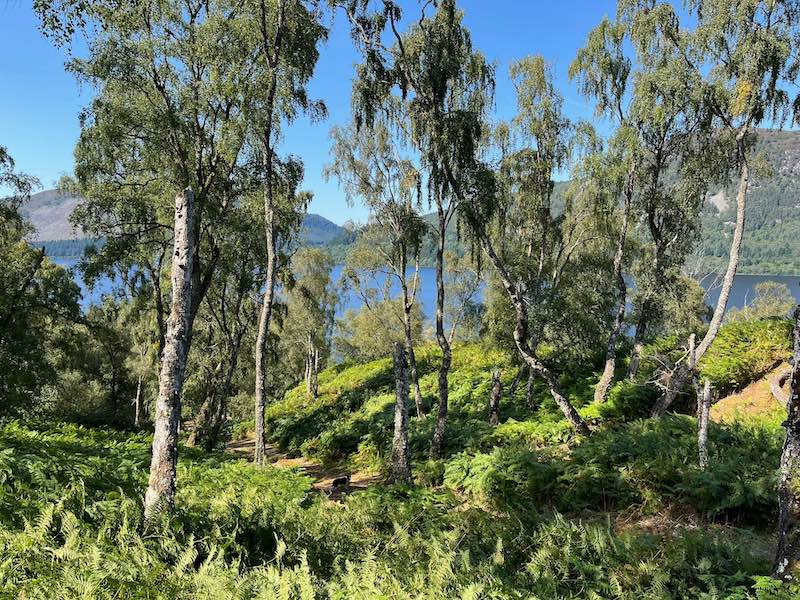

Wildlife organisations and local community groups have joined forces to protect Loch Ness and its surrounding habitats amid growing concern over plans for a new pumped storage hydro development in the Highlands.
Loch Ness is one of Scotland’s most recognisable landscapes, known worldwide for its beauty and folklore, but beneath the surface its waters and shoreline support a fragile and complex ecosystem.
The proposed Loch Kemp Pumped Hydro Scheme would involve significant engineering works, including the construction of a power station and associated infrastructure, with campaigners warning this would result in the loss of ancient woodland and long term damage to freshwater ecology.
Loch Ness is one of the largest freshwater bodies in the UK, yet despite its scale it remains ecologically sensitive, supporting diverse aquatic invertebrates across its shallow bays and deeper waters.
These invertebrates underpin the wider food chain, supporting birds and fish including Endangered Atlantic salmon and Critically Endangered European eel.
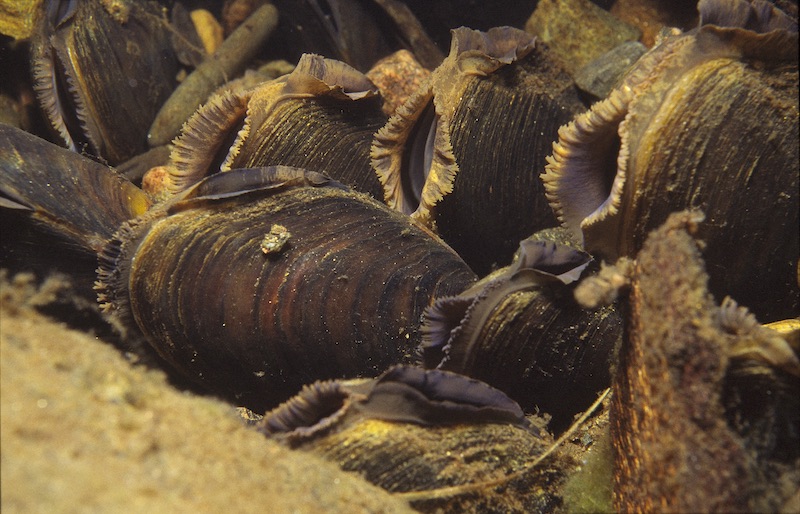
Salmon migrate through Loch Ness to reach the spawning grounds of their natal rivers, where they play a vital role in the life cycle of the Critically Endangered freshwater pearl mussel.
On the eastern shore lies Ness Woods Special Area of Conservation, including the Easter Ness Forest Site of Special Scientific Interest, an unbroken stretch of ancient woodland rich in mosses, lichens and rare invertebrates.
The site supports internationally important lichen communities, including the second largest British population of Nevesia sampaiana, as well as species such as the nationally rare lichen running spider, alongside otters and red squirrels.
Groups including Buglife, Boleskine Biodiversity Group, British Lichen Society and the Ness District Salmon Fishery Board say the proposed scheme would subject the entire 50 miles of Loch Ness shoreline to rapid and frequent artificial water fluctuations.
They warn that invertebrate populations would struggle to adapt, salmon migration could be disrupted, young eels could be drawn into intake pipes, and Loch Kemp itself would undergo wholesale ecological change.
Campaigners also say the development would split the largest remaining area of ancient semi natural woodland in the Great Glen in two.
With a planning inquiry expected this spring, the groups have launched a Protect the wildlife of Loch Ness and Loch Kemp crowdfunding appeal to cover the cost of specialist legal advice.
Craig Macadam, Buglife Co Leader and Director of Conservation.
“Loch Ness is one of Scotland’s most iconic and cherished landscapes.
“At a time when we face a deepening nature crisis, these proposals lack the critical environmental information needed to understand the full impact of another pumped storage hydro scheme on the loch’s fragile aquatic ecosystems.”
Neil Mackenzie of the Boleskine Biodiversity Group.
“Ness Woods is a site of international importance, which together with its surrounding woodland have a vital role to play in nature recovery.
“Although we support renewable energy schemes, this is clearly not the right place as it carves through irreplaceable ancient semi natural woodlands.”
Brian Shaw, Director of the Ness District Salmon Fishery Board.
“The Loch Kemp scheme will permanently damage the biodiversity of iconic Loch Ness.
“The ecological impacts extend beyond the loch to the greatest wildlife spectacle in the Highlands, at Chanonry Point, where dolphins prey on returning Atlantic salmon within metres of the shore.”


