

Researchers at University of Aberdeen have launched the world’s first clinical trial investigating a treatment for takotsubo syndrome, more commonly known as broken heart syndrome.
The seven year study will involve scientists and clinicians from Aberdeen, Glasgow, Edinburgh, Leeds, Leicester and Belfast alongside almost 1,000 patients from 40 hospitals across the UK.
Takotsubo syndrome affects more than 5,000 people in the UK every year and can prove fatal, with around one in ten patients dying either during the initial attack or later through complications linked to the condition.
Often mistaken for a heart attack, broken heart syndrome is commonly triggered by sudden emotional stress such as bereavement or trauma.
Unlike a heart attack however, the condition is not caused by blocked arteries but by a sudden weakening of the heart muscle.
Despite the seriousness of the illness, there is currently no clinically proven treatment specifically designed for takotsubo syndrome.
Researchers are now investigating whether a group of medicines known as renin angiotensin system inhibitors could help reduce deaths, strokes, heart failure and repeat attacks among patients living with the condition.
The trial is being led by Professor Dana Dawson, Chair in Cardiovascular Medicine at the University of Aberdeen and Consultant Cardiologist at Aberdeen Royal Infirmary.
Professor Dawson said:
“Takotsubo syndrome affects thousands of people in the UK year on year most of whom are women.
“The figures are stark in that one in ten will ultimately die from their condition.
“It is a growing problem and with ever improving clinical recognition the diagnosis rate has increased 5 fold in the past decade.
“The long term risk of death or serious health problems after a takotsubo attack is similar to patients who suffer a heart attack due to a blocked heart artery but despite this, there are no proven therapies for takotsubo, no treatment guidelines, leaving doctors and patients uncertain and concerned.
“We will test for the first time if RAS inhibitors could prevent deaths, heart attacks, strokes, heart failure and repeated takotsubo attacks in people who suffered an acute takotsubo attack.
“We hope that this will make it clear whether or not these drugs are effective at preventing repeated health problems in the long term.
“People living with takotsubo syndrome are effectively in limbo at the moment.
“There is no proven therapy which means treatments can vary from person to person.
“We know that following an attack, the impact on the patient’s quality of life can be extremely debilitating.
“We may find the first therapy that improves survival and reduces the burden of disease after a takotsubo attack, or we may establish these are not effective and therefore redirect the search to other treatments that may work.”
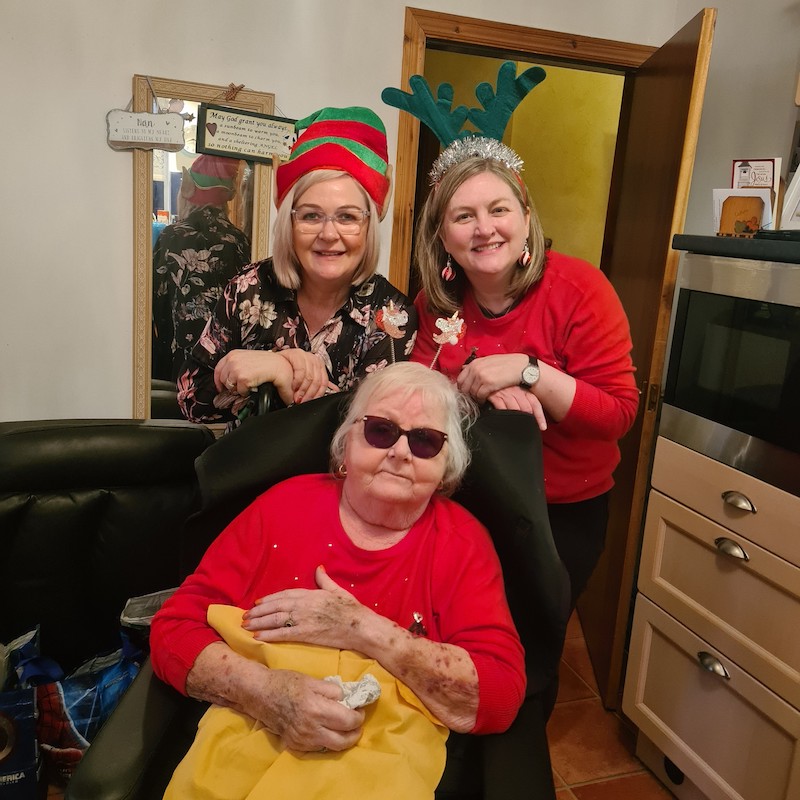
One of the patients involved in the study is 57 year old Brenda Young from St Fergus in Aberdeenshire.
Brenda experienced takotsubo syndrome shortly after standing beside her mother’s hospital bed as she passed away following a long illness.
She described suddenly feeling “an intense, overwhelming pain in the middle of my chest” moments after her mother died.
Following tests doctors initially believed Brenda had suffered a heart attack before later diagnosing broken heart syndrome.
Brenda said:
“I said, what on Earth is that?
“I had never heard of this before.”
She is now recovering at home and hopes the new study will help improve awareness and treatment options for future patients.
Researchers also hope to extend the study internationally through collaborations in Australia.


