

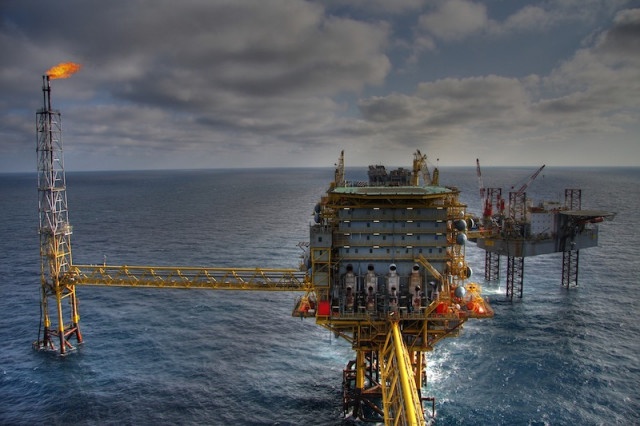
A growing political row over North Sea oil has sharpened divisions within the independence movement, as the Alliance to Liberate Scotland positions itself as an alternative ahead of the 7 May election.
The debate intensified after the Scottish Greens signalled they would not enter any future cooperation with the SNP unless support for new North Sea oil drilling is dropped.
That position has drawn strong criticism from the Alliance to Liberate Scotland, which argues the move risks undermining a key economic pillar at a crucial moment.
The party claims Scotland’s oil and gas sector remains central to jobs, revenue and any future independent economy, framing it as a resource that should be managed rather than restricted.
In response, the Alliance has urged independence supporters to reconsider how they use their regional list vote, arguing that smaller parties can secure representation where larger ones have previously fallen short.
Recent polling by Find Out Now suggests the party is gaining traction, with between 6 percent and 8 percent of voters indicating they are likely to support the Alliance on the regional list.
At those levels, the party believes it could secure seats in multiple regions, pointing to previous elections where similar vote shares were enough to win representation.
In Glasgow, lead candidate Tommy Sheridan is reported to be polling within that range, reinforcing claims that the party is within reach of a parliamentary breakthrough.
The Alliance argues that past election results show regional votes for larger pro independence parties do not always translate into seats, leaving space for smaller parties to gain ground.
Tommy Sheridan said the party is offering a focused approach centred entirely on independence.
“Independence supporters have had enough of wasted votes.
“Your constituency vote for the SNP still counts.
“Your regional list vote for the SNP is thrown away exactly as it was in 2016 and 2021 when the SNP won just two out of 56 list seats despite over a million votes.
“That mistake handed seats to unionists.
“We will not repeat it.”
“This time, independence voters are waking up.
“They are giving their precious regional vote to the one party that puts Scotland’s freedom first, the Alliance to Liberate Scotland.
“Not the SNP.
“Not the Greens, who have turned their backs on independence to obsess over gender-identity politics and culture wars while working-class families struggle with sky-high bills, food bank queues and broken heating systems.
“The people of Scotland deserve better.
“They deserve a party that fights for independence every single day and for the cost-of-living crisis that is crushing families right now.
“That party is the Alliance to Liberate Scotland.
“A vote for us on 7 May is not just a list vote.
“It is a transformational vote, the vote that finally turns frustration into power and delivers the breakthrough Scotland has been waiting for.”
The party has also been sharply critical of the Greens’ stance on oil, describing it as a red line that could affect any future pro independence cooperation.
It argues that limiting domestic energy production risks weakening Scotland’s economic position, particularly at a time of wider financial pressure.
The Greens, meanwhile, have framed their position as part of a wider transition away from fossil fuels, highlighting environmental concerns and long term sustainability.
The disagreement reflects a broader split within the independence movement over how to balance economic priorities with climate commitments.
With polling suggesting movement among voters and tensions rising between parties, the coming election is shaping up to test not only electoral strength but the direction of the independence campaign itself.
A dispute over oil policy and new polling data has brought fresh focus to the independence movement, as the Alliance to Liberate Scotland claims growing support and calls on voters to rethink how they use their regional vote.


