

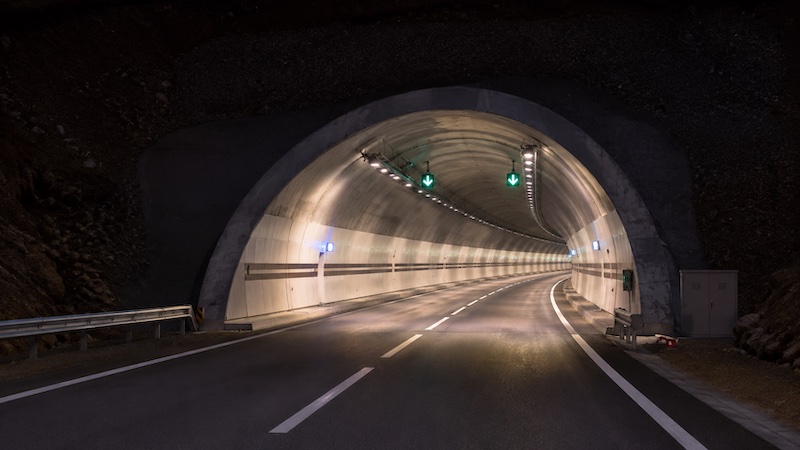
The future of transport between some of Shetland’s island communities could move a significant step closer next month as councillors prepare to consider options that include a network of subsea tunnels linking islands currently dependent on ferries.
For generations, ferries have been a lifeline connecting communities across Shetland, carrying residents, workers, visitors and vital supplies between islands, but rising operating costs, ageing vessels and growing pressures on services have prompted fresh debate about whether a different long term solution is needed.
At the heart of that discussion is Shetland Islands Council’s Inter Island Transport Connectivity Programme, a major piece of work examining how transport links could evolve in the decades ahead as communities seek greater reliability, stronger connectivity and opportunities for economic growth.
The Council’s existing ferry network now costs around £25 million a year to operate, while the average age of vessels has reached more than 32 years, creating increasing challenges around maintenance, reliability and recruitment of crews.
Over the past week, residents across Shetland have attended community drop in sessions where they were presented with the latest findings from the programme and given the opportunity to comment on a range of options ranging from continued ferry services through to fixed links including tunnels.
Particular attention has focused on a study examining the possibility of a tunnel beneath Yell Sound, with international engineering consultants concluding that such a project is both technically achievable and capable of attracting investment.
For many island communities, the debate is about far more than transport.
Questions of population decline, access to services, housing, jobs and economic opportunity all sit behind the discussion, with supporters arguing that fixed links could help reshape the future of island living.
Council Leader Emma Macdonald said:
“When islands have fixed links like causeways, bridges and tunnels, they experience repopulation, economic growth and a reduction in average age.
“Doing nothing is not an option in Shetland. We have islands depending on old, unreliable, carbon heavy ferries, which are depopulating and continually at risk of ferry breakdowns.
“I look forward to the debate in the Chamber later in June, where we’ll consider all the options before us.”
The engineering teams behind the fixed link study believe the greatest challenge may not be construction itself but whether decision makers are willing to think beyond short term costs and consider the wider benefits such projects could bring over generations.
Andy Sloan of engineering consultancy COWI said:
“We know that the tunnels can be built.
“From an engineering perspective it is relatively straightforward.
“The real challenge is whether we as a nation take a short-term or long-term view.
“As our global experience tells us, people will be attracted to live in remote and rural places if they are easy to get to, easy to get around, digitally connected and with job opportunities and an affordable standard of living.
“Fixed links can change how people in Scotland live, work and travel.
“They can reverse depopulation, provide vital services and support economic growth.
“Once Scotland builds its first tunnel, it will never stop.”
For island communities across Scotland, from Shetland to the Western Isles and beyond, the debate will be watched closely, because the outcome could help shape how future generations live, work and remain connected in some of the country’s most remote places.


