

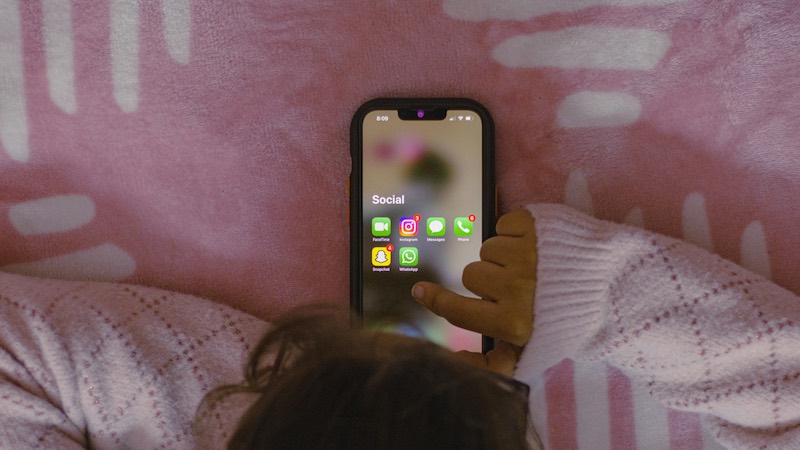
Parents and teachers are being urged to talk openly with children about doomscrolling as safeguarding experts warn that prolonged scrolling can expose young people to increasingly harmful online content.
Dr Richard Anderson of High Speed Training says the behaviour is not automatically harmful, but adults should pay attention to how long children spend scrolling, what they are seeing and whether screen time is beginning to replace sleep, exercise or social interaction.
Doomscrolling describes repeatedly moving through social media, news feeds or other online content for extended periods, particularly when what appears on screen is negative, distressing or worrying.
Dr Anderson said:
“Doomscrolling is not automatically harmful for children and young people, but it is important to note both the amount of prolonged time they are spending on screens and what kind of content is being consumed.
“Doomscrolling refers to repeatedly scrolling through social media, news feeds or other online content for long periods, particularly when the content is negative, distressing or worrying.
“A child might intend to watch a few videos before bed, but then continue scrolling for another hour, moving from one piece of content to the next without really choosing what they are watching.”
The concern is not simply the amount of time spent looking at a screen, but what children encounter during that time and whether scrolling begins to affect sleep, schoolwork, relationships, physical activity or their wider wellbeing.
Potential risks highlighted by the safeguarding specialists include poor sleep, cyberbullying, harmful body image messages, violent or abusive material, self harm and suicide content, misogyny, racism, extremism and artificially generated abusive material.
Recommendation systems can add another dimension because children do not necessarily need to deliberately search for troubling material before it begins appearing in their feeds.
Dr Anderson said:
“Doomscrolling can be particularly concerning because children and young people do not necessarily have to seek out or search for harmful material themselves, recommendation algorithms use information about the user and suggest content for them.”
Research cited by High Speed Training includes an experimental University College London study using simulated teenage boys’ TikTok accounts which found the proportion of recommended videos containing misogynistic content increased from 13% to 56% over five days.
Other research cited by the organisation found simulated child accounts could encounter material relating to eating disorders, self harm, suicide, sexualised imagery, extreme dieting, violence and other emotionally harmful content within relatively short periods of use.
For parents and teachers, the advice is not simply to confiscate phones or treat every period of scrolling as dangerous, but to make conversations about children’s online lives part of everyday life.
Setting sensible boundaries, explaining how recommendation algorithms respond to viewing and engagement, and making sure children know they can approach an adult when something online frightens or troubles them can all form part of that approach.
Dr Anderson said:
“There’s no single solution to doomscrolling. Instead, children need support to understand how online platforms work, recognise when scrolling is becoming unhelpful and know how to develop healthier habits around technology.
“Regular conversations, sensible boundaries and a strong safeguarding approach can all help children stay safer online and prevent doomscrolling from causing damage.”


