

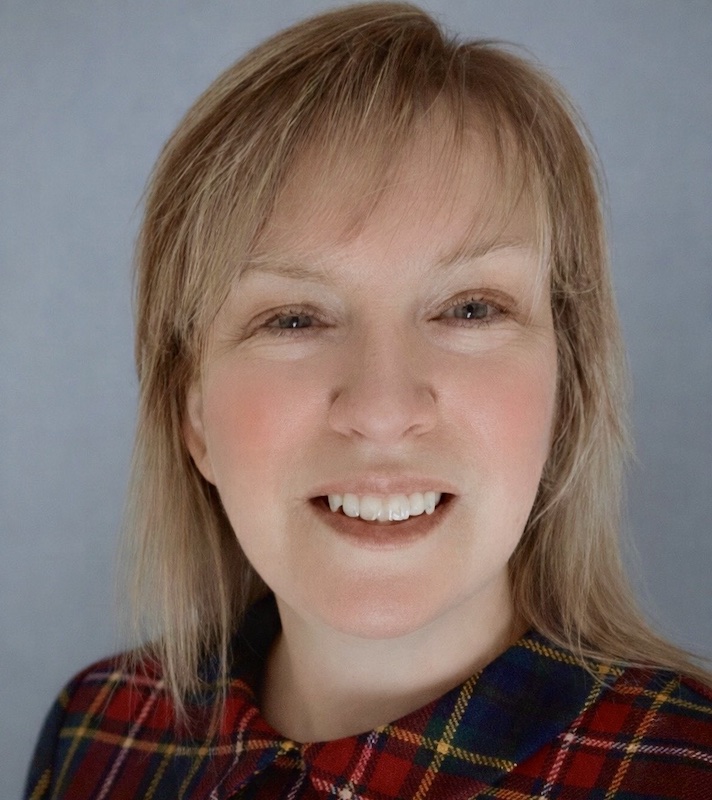
Laùra Hänsler has set out her case to represent Skye, Lochaber and Badenoch, positioning herself as a candidate rooted firmly in the communities she aims to serve.
Standing for the Alliance to Liberate Scotland, she has framed her campaign around a direct connection with local people, arguing that representation should come from within the Highlands rather than from distant political structures.
Her message centres on lived experience, with years spent engaging across communities, attending local meetings, and working alongside families, crofters and businesses across the region.
A key focus of her campaign remains the A9, an issue that has come to symbolise wider frustrations around infrastructure, safety and delivery across the Highlands.
Her involvement in A9 campaigning has built recognition across the area, with her position shaped by direct engagement with those affected by delays and safety concerns.
Laùra Hänsler said:
“I am part of this land, just as the mountains and the sea are part of me.
“The people of Skye, Lochaber and Badenoch know me because I live among them, I listen to them, and I fight for them, directly, honestly, with no party bosses in Edinburgh or London coming between us.
“This is our Scotland.
“These are our glens, our roads, our children’s futures, and I will stand shoulder-to-shoulder with every family here until we are heard.”
Her campaign draws heavily on the identity and character of the Highlands, presenting her candidacy as an extension of the communities themselves rather than a traditional political offering.
From Skye to Badenoch, the emphasis is on local voice, local knowledge, and accountability shaped by proximity rather than distance.
Laùra Hänsler added:
“When a true local voice speaks, the whole of Scotland should listen.
“That is the Highland way, proud, rooted, and unbreakable.”
As the election approaches, her campaign places the spotlight on a broader question facing voters across rural Scotland, namely who is best placed to represent communities that often feel overlooked within national decision making.
The answer, she argues, lies not in party hierarchy but in connection, presence and a shared understanding of Highland life.


