

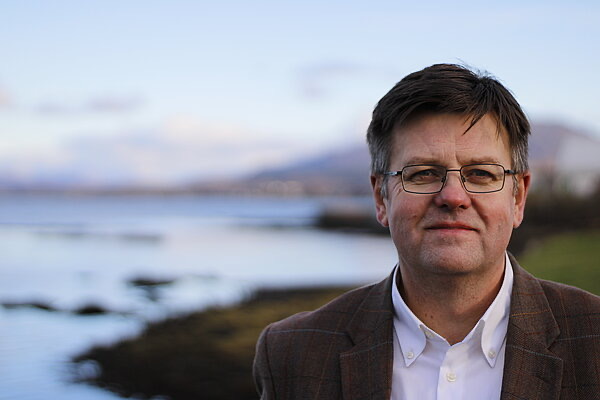
Questions over the future of Lochaber’s aluminium industry and the use of public money have returned to Holyrood after Andrew Baxter challenged First Minister John Swinney over investment arrangements linked to the GFG Alliance smelter deal.
The Scottish Liberal Democrat MSP for Skye, Lochaber and Badenoch wants to know whether ministers understood the terms being offered to investors when the Scottish Government agreed to support the deal, and why promised jobs, factories and community benefits have not materialised.
At the centre of the latest questions are reports in The Herald suggesting investors were told their repayments would not depend on the Lochaber smelter producing “a single piece of aluminium” or generating any electricity.
For a community which was promised substantial economic development alongside the protection of its existing industrial operations, the distinction between financial returns for investors and tangible benefits for Lochaber is now at the heart of Baxter’s challenge.
The MSP raised the issue directly with Swinney in the Scottish Parliament, asking what the Government knew about the investment arrangements and whether the public commitments surrounding the deal were reflected in the financial structure.
Swinney defended the original intervention, arguing that it had sustained economic activity and that the underlying assets, particularly the hydroelectric infrastructure, provided protection for the public purse.
However, the First Minister did not provide detailed answers to Baxter’s questions about the legal arrangements during the exchange, instead undertaking to respond in writing.
Speaking afterwards, Baxter said:
“People in Lochaber were promised hundreds of jobs, new factories and substantial benefits for our community.
“Ten years on, they deserve an explanation for why those promises have not materialised.
“The reports about the investment sales pitch raise a fundamental question: have the people of Lochaber and Scotland’s taxpayers been taken for a ride?
“If investors were being sold complicated investments in offshore companies, with returns that did not depend on producing aluminium or generating electricity, what exactly did ministers know?
“Did they know that was the sales pitch when they agreed to put public money behind the deal?
“The First Minister defended the original intervention, but he did not answer those questions in the Chamber.
“I will be looking for clear answers in his promised letter.
“Protecting existing employment matters.
“But it does not remove the Government’s responsibility to explain what happened to the jobs, factories and community benefits that Lochaber was promised.
“After ten years, people deserve more than another defence of the deal’s intentions.
“They deserve to know what was promised, what was delivered and who is being held accountable.”
The questions now extend beyond the financial terms of the original agreement to the difference between the ambitions presented to Lochaber and the economic development which has followed.
There is also an important distinction between protecting an existing industrial operation and delivering the additional investment, employment and facilities which formed part of the wider expectations surrounding the deal.
Baxter has made clear that he recognises the importance of safeguarding existing jobs, but argues that doing so cannot settle the separate question of whether the broader promises were fulfilled.
For Lochaber, where the smelter and its associated infrastructure remain important to the local economy, the answers will matter well beyond the walls of the Scottish Parliament.
The next stage now rests with the First Minister’s promised letter, which Baxter says must explain what ministers knew about the investment arrangements and address the gap between what Lochaber was promised and what has been delivered.


