

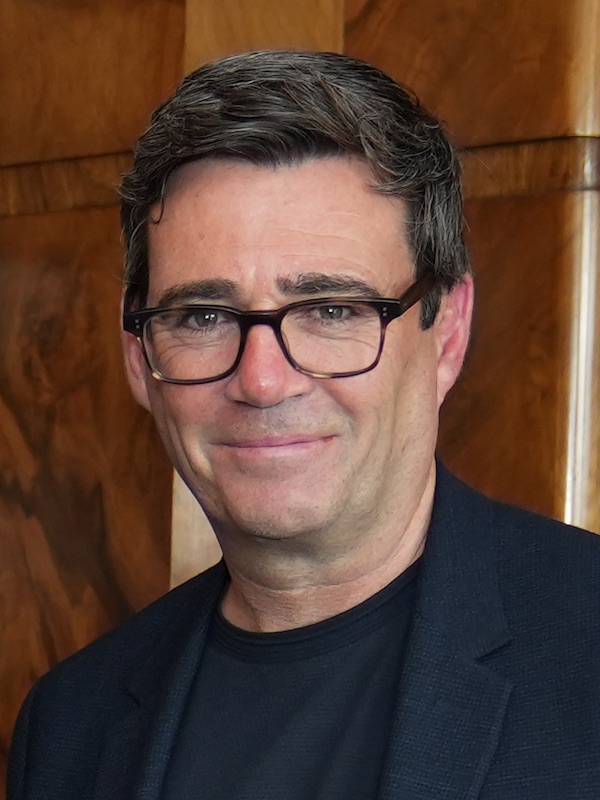
Fresh questions have been raised about Scotland’s place within the UK’s constitutional future following Andy Burnham’s speech setting out his vision for greater devolution.
The Mayor of Greater Manchester used the speech to argue for a shift in power away from Westminster and towards regions and communities, but his proposals quickly attracted criticism from political parties north of the border.
Both the SNP and Scottish Greens said the plans lacked detail on what they would mean for Scotland and failed to address longstanding debates over powers already sought by Holyrood.
The intervention comes as pressure continues to build over living costs, public spending and the future shape of devolution across the UK.
SNP Westminster leader Dave Doogan said Labour had failed to deliver on promises of change made at the last election.
“The Labour Party promised change two years ago but has only delivered chaos.
“The cost of living is soaring, unemployment is rising and Brexit Britain is more broken than ever.
“Andy Burnham is making the same empty promises, while keeping all of Westminster’s most damaging policies, Brexit, austerity cuts and Tory spending rules.
“The SNP has been calling for meaningful devolution for years but there is nothing of substance for Scotland in these proposals and nothing that will fundamentally improve people’s lives.”
Mr Doogan also questioned the process behind the proposals, arguing that Scotland, Wales and Northern Ireland had not been properly involved in discussions.
“It’s telling that Andy Burnham is setting out Westminster’s top-down, England-centric plans without even involving the devolved governments of Scotland, Wales and Northern Ireland in the conversation and he seems to think Manchester is the north of the UK, when it’s barely the north of England.”
He added that any meaningful conversation about devolving power should include issues such as energy policy and Scotland’s constitutional future.
“If Andy Burnham was serious about devolution then he should start by devolving the energy powers the Scottish Parliament has already voted for, instead of keeping control over Scotland’s energy at Westminster.
“And if he genuinely believes people should have more control over their future, then he must explain why he wants to block people in Scotland from having any choice over ours, by denying Scotland’s democratic right to choose our own future with independence.”
The Scottish Greens also questioned the substance of Mr Burnham’s proposals.
Local government spokesperson Kristopher Leask said Scotland appeared to have been treated as an afterthought.
“This speech was big on rhetoric but short on policy, leaving people in Scotland with more questions than answers.
“Burnham is right that the UK is far too centralised, but this was clearly a speech aimed at the English regions, with Scotland, Wales and Northern Ireland treated as an afterthought.
“Which powers does he believe should be devolved and, more importantly, which does he think Scotland should still be denied?”
Mr Leask said there was a strong case for decisions over energy, employment and workers’ rights to be made in Scotland and argued future funding arrangements for local authorities would be a key test of Labour’s approach.
“One of the biggest and most immediate tests will come in how he responds to our pro-independence Scottish Parliament calling for the power to hold the referendum that Scotland just voted for.
“If Labour wants to distribute power but refuses to trust the people of Scotland with a choice over its future, then its commitment to devolution rings hollow.”
The comments highlight the challenge facing Labour as it attempts to reshape governance across the UK while navigating competing demands for greater autonomy in Scotland and other devolved nations.


