

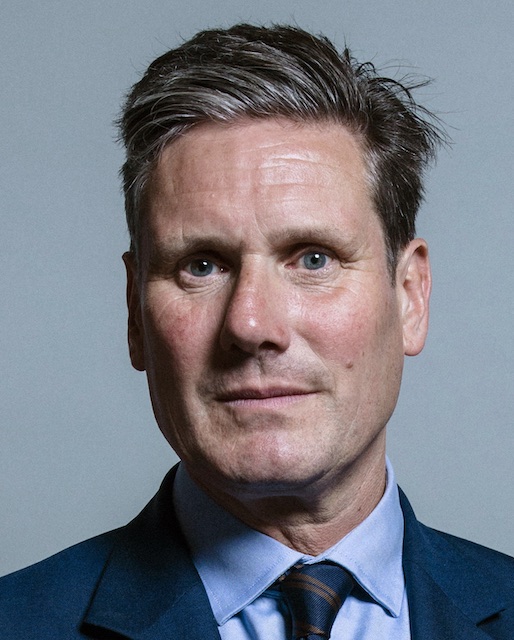
Scotland is once again facing a change of Prime Minister after Sir Keir Starmer became the sixth UK Prime Minister to resign in the space of just ten years.
The latest departure adds another chapter to a remarkable period of political instability at Westminster that has seen governments rise and fall while major challenges including Brexit, the cost of living crisis and public spending pressures continue to shape life across Scotland.
With attention now turning to who will replace Sir Keir Starmer, questions are already being asked about whether another change of leadership will bring meaningful change or simply continue a cycle of political upheaval that has become increasingly familiar to voters.
The resignation has prompted a fresh political debate over Scotland’s place within the United Kingdom and whether decisions taken at Westminster are serving Scotland’s long term interests.
Successive Prime Ministers have overseen periods of significant change and controversy, with Brexit remaining one of the most divisive political events of the past decade and one that Scotland voted against.
SNP Westminster Leader Dave Doogan said the latest resignation highlighted what he described as a wider problem within the Westminster system.
Mr Doogan said:
“Scotland needs independence to secure a fresh start from the constant chaos of Westminster control and to build a better future.
“Keir Starmer is now the sixth UK Prime Minister to resign in a decade of Westminster chaos, which has seen the UK government engulfed in a never-ending cycle of crisis and failure.
“Westminster’s record of instability is damaging Scotland’s interests.
“For years, Scotland has been hammered by Westminster austerity cuts, Brexit and damaging decisions that have wiped billions of pounds from our economy and sent the cost of living soaring.
“There is no sign any of that will change under Keir Starmer’s likely-successor, Andy Burnham, who has already made more U-turns than a learner-driver in a cul-de-sac and has admitted he would continue the most damaging Westminster policies from Brexit to austerity cuts.
“Shuffling the deck chairs at Westminster will not deliver the change that Scotland needs, that can only come with independence.”
The comments come as political parties begin positioning themselves for what could become another fiercely contested leadership battle at Westminster, with potential successors already attracting scrutiny over the direction they would take the UK.
For many voters, the latest resignation is likely to reinforce concerns about political stability at a time when households and businesses continue to face economic uncertainty and rising pressures.
Whether a new Prime Minister can restore confidence remains to be seen, but Scotland now finds itself once again watching another transition of power unfold in London as debate continues over what kind of future the country wants and who should ultimately shape it.


