Scotland’s benefits system is facing renewed political scrutiny after Conservative leader Kemi Badenoch unveiled proposals to cut £36 billion from UK welfare spending, including substantial reductions in disability and sickness benefits.
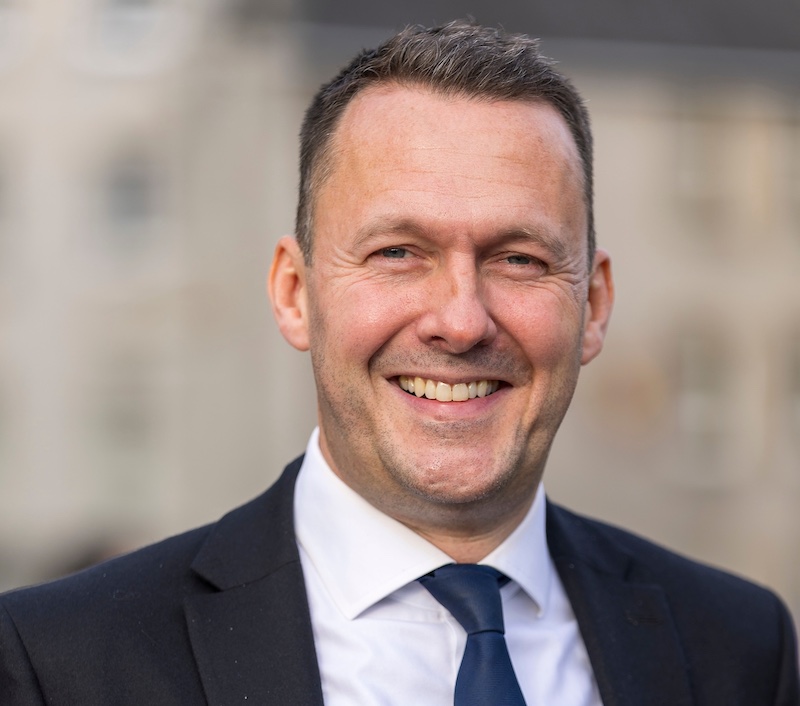
Scottish Conservative leader Russell Findlay has called on First Minister John Swinney to support the plans, arguing that rising social security costs are placing an unsustainable burden on taxpayers.
The proposals were announced on Tuesday 10 November as part of Badenoch’s Welfare that Works programme, which the Conservatives say would reduce spending on working age benefits currently costing approximately £183 billion.
The largest proposed saving, £13.7 billion, would come from changes to disability and sickness benefits, including restricting eligibility for certain mild mental health conditions and routine back and joint pain.
Other measures include £9.5 billion in proposed savings from restricting claims by some foreign nationals with settled status, alongside £3.1 billion from restoring the two child benefit cap.
A further £2.8 billion would come from changing how support is provided to children with certain learning and behavioural conditions, replacing some cash payments with alternative assistance.
The Conservatives are also proposing additional measures targeting fraud and error, which they estimate could save £1 billion.
These figures represent Conservative Party estimates of potential savings, rather than independently established reductions in government expenditure.
The proposals have prompted debate about how far ministers should go in restricting financial support, particularly for people whose medical conditions or disabilities affect their ability to work.
In Scotland, Findlay has criticised the Scottish Government’s approach to social security, claiming its spending plans are becoming increasingly difficult to sustain.
He has previously announced proposals for a Scottish Benefit Fraud Bill, intended to tighten eligibility checks and recover overpayments.
Scottish Conservative leader Russell Findlay said:
“Kemi’s common-sense plans will fix Britain’s broken benefits system and cut the out-of-control benefits bill.
“My party will always back the safety net of social security support for those in genuine need.
“But under the SNP and Labour we are seeing an explosion in benefit payments that continue to trap people in the misery of a life on benefits.
“The SNP’s benefits bill is completely unaffordable and unsustainable for taxpayers, but John Swinney still refuses to accept this or that the SNP’s light-touch approach is open to widespread abuse.
“That is why we have unveiled our Benefit Fraud Bill to crack down on the SNP’s tick-box culture for claims and force overpayments to be repaid.
“Out-of-touch Swinney and Andy Burnham must finally prioritise work over welfare and deliver a fair and affordable system for taxpayers.”
Scotland operates its own devolved social security system for a number of benefits, including Adult Disability Payment and Child Disability Payment, while Westminster remains responsible for other major benefits.
That division means changes proposed at UK level would not automatically apply in the same way to every benefit administered in Scotland.
The Conservatives argue that reform is necessary to control public expenditure and encourage employment, while critics have raised concerns about the potential consequences of reducing support for disabled people and low income households.
Badenoch’s proposals are not government policy and would require further legislative and financial decisions before implementation.
The debate now places renewed attention on the balance between controlling welfare costs, supporting people into employment and maintaining financial protection for those who need it.