Endometriosis affects 1 in 10 women in the UK.
Yet many report mixed care, with patients often being dismissed or being told that symptoms are “normal”.
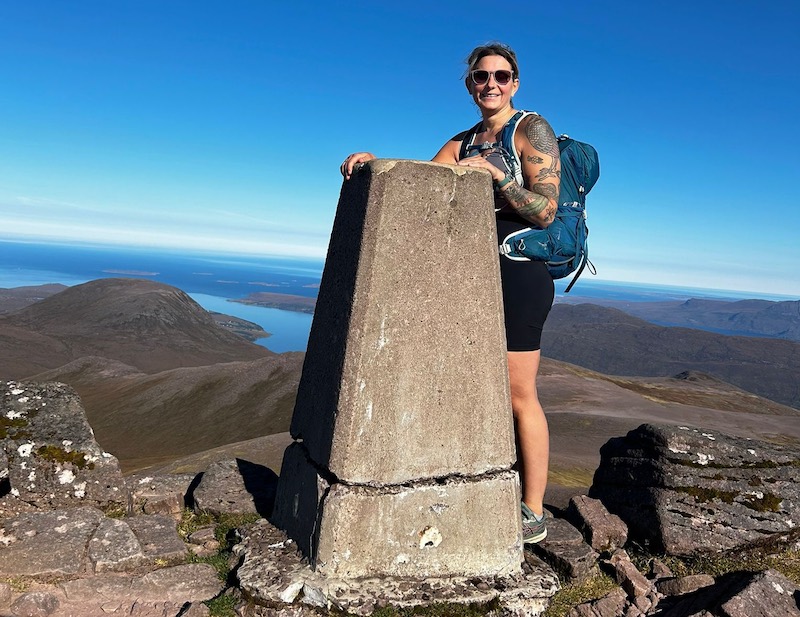
In response, Inverness-based Fay Cartwright has launched a support group, as she explains:
“March is Endometriosis Action Month and, given the lack of action I’ve seen locally and nationally, I wanted to do something.
“So, I have launched InverEndo Support, a support group open to all women in Inverness and the surrounding areas with endometriosis or awaiting a diagnosis.
“I find endometriosis isolating at times and have really struggled with my mental health, and I don’t want others to feel how I have felt over the years.
“My hope is that the group becomes a safe space for women with endometriosis, giving them somewhere local to lean into and potentially, together, taking action to campaign for improvements to endometriosis care.”
34-year-old nurse Fay has been admitted to hospital 29 times due to the condition since 2021.
She continues:
“If I had to count from the age of 21 onwards, it would probably be closer to 50 hospital admissions.
“The care I’ve received has been mixed.
“I’ve been told that there’s nothing wrong with me, it’s all in my head and it’s just a bad period.
“I’ve also been told to have a baby, radical surgery or try various contraceptives to “cure” my endometriosis.
“I’ve been told that it’s “normal” to have excruciatingly painful periods and some women “just have heavy periods”.
“Some consultants have an exceptional manner and really care about their patients and make me feel heard but, unfortunately, they are in the minority.”
Fay hopes that members of InverEndo Support will enjoy monthly meet ups over coffee, trips to the cinema, walks, community saunas, or other organised events where they can share their experiences in the safety of others who know what they are going through.
Commenting on what she would like to see change in endometriosis care, Fay says:
“I would like to see faster diagnosis, positive patient care, and a broader variety of supportive resources available to patients instead of a generic one size fits all approach as the condition affects everyone so differently.
“We need better coordination between health services, trained with better knowledge of endometriosis to be able to hold clinics in the community, addressing both the physical symptoms and the challenges of access, understanding, and long-term care.
“In order to make change, we need to recognise endometriosis as a legitimate, chronic condition; provide timely diagnosis and specialist access; offer multidisciplinary support similar to other long-term illnesses; empower patients through education and self-management; and reduce travel and access barriers in rural areas.
“While I hope these issues can be recognised and addressed, I hope that the InverEndo Support group will help other women suffering from endometriosis locally and inspire others across the UK to do the same.
“Together we can make a real impact.”
Anyone interested in joining InverEndo Support can do so by sending a request to the group’s Facebook page