

Plans to charge visitors £5 a night at hotels and other accommodation across the Highlands will return to councillors next week as the debate over a Highland Visitor Levy moves another step forward.
The Highland Council will hold a special meeting on Tuesday, 25 August to consider a draft scheme, although councillors are not yet being asked to decide whether the levy should actually be introduced.
Instead, they will decide whether the proposals are ready to go before residents, businesses and communities in a statutory 12 week public consultation.
The latest proposal is considerably more specific than the general debate about a tourist tax which has surrounded the Highlands for years.
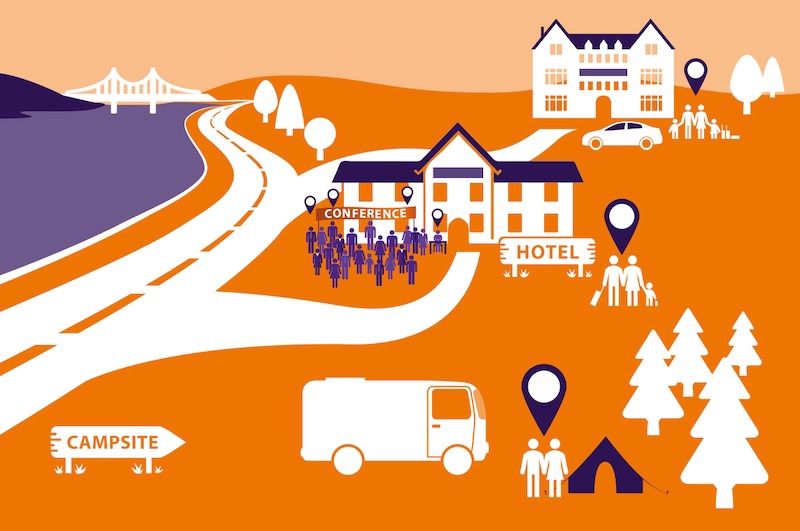
Hotels, guest houses, bed and breakfasts, short term lets and similar accommodation would charge £5 per room or area for each night, while hostels and campsites would charge £2.
The levy would operate across the Highland Council area for nine months of the year, with December, January and February excluded.
Accommodation businesses would retain five per cent of the money they collect to help meet their administration costs.
There will undoubtedly be opposition from parts of the tourism industry, particularly businesses concerned about adding another cost to a Highland holiday.
But there is another side to the argument which cannot simply be ignored.
Millions of visitors come to the Highlands because of its landscapes, communities and extraordinary places, but those visitors also use roads, car parks, public toilets, paths and other infrastructure which costs money to maintain.
The real test of any Highland Visitor Levy may therefore be less about whether visitors should contribute and considerably more about what happens to their money when they do.
If the levy becomes another general source of council income, opposition will be understandable.
If people can see it repairing infrastructure, improving visitor facilities and helping communities cope with the pressures created by tourism, the argument becomes rather different.
That question will form an important part of any consultation, with views being sought on how revenue should be reinvested alongside the proposed rates, exemptions and governance arrangements.
Council Convener Bill Lobban said:
“Tourism is one of the Highlands’ most important economic sectors and makes a significant contribution to our economy, communities and culture.
“At the same time, the growing number of visitors places increasing pressure on local facilities, infrastructure and services.
“A Visitor Levy could provide a new source of investment to help us develop, support and sustain the places that people come here to enjoy.
“The purpose of this Special Meeting is not to decide whether a Visitor Levy should be introduced, but to allow Councillors to consider a draft scheme and whether it should be put forward for public consultation.
“Should Councillors approve the draft scheme for consultation, the feedback received will be used to further develop the proposals before a final report is presented to Members later this year.
“Any decision to introduce a Visitor Levy would be subject to a future Council decision and an implementation period of at least 18 months.”
That distinction matters because nothing is being imposed next week and the proposed £5 and £2 charges are not yet settled policy.
There is still a consultation to get through, assuming councillors approve one, followed by another council decision before anything could happen.
The Highlands needs tourism and the jobs and businesses it sustains, but successful tourism also brings costs which somebody has to pay.
A visitor levy can make sense.
The challenge for Highland Council will be convincing people that every pound raised will make the Highlands better for the people who live here and the people who come to visit.


