

Fresh concerns have been raised over cancer care in the Highlands after Far North patients shared their experiences of travelling long distances for treatment, uncertainty over changing services and fears that temporary pressures on NHS Highland’s oncology service could become permanent.
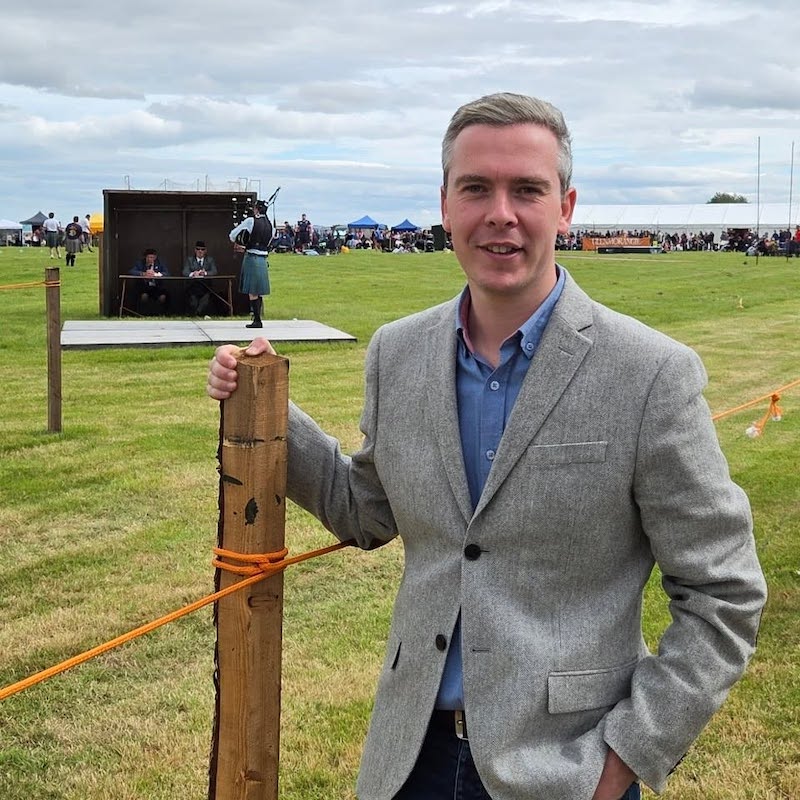
Caithness, Sutherland and Ross MSP David Green has written to NHS Highland Chief Executive Fiona Davies following a public meeting hosted by the North Highland Cancer Information & Support Centre in Thurso, where patients, volunteers and trustees discussed the challenges facing people living with cancer across the Far North.
The meeting took place just a day after NHS Highland confirmed its oncology service was experiencing “significant consultant workforce shortages”, creating “some risk to service resilience and potential delays to treatment” for cancer patients.
The health board has already confirmed that some patients requiring radiotherapy or specialist treatment are being transferred to health boards outside the Highlands while staffing pressures continue.
During the meeting, patients raised concerns about lengthy journeys for appointments and surgery, reduced support during chemotherapy, access to specialist equipment and growing worries that services centralised in Inverness are becoming increasingly difficult to access for those living in the most remote parts of the Highlands.
Participants also voiced frustration over communication from NHS Highland, with concerns that some patients first learned of service changes through media reports rather than directly from the health board.
Mr Green has now asked NHS Highland to explain how it assessed the impact of the temporary arrangements on patients and to provide assurances that the current situation will not become a permanent feature of cancer care in the Highlands.
He said:
“I am grateful to everyone associated with the North Highland Cancer Information & Support Centre for taking the time to share their experiences with me.
“The volunteers at NHCISC do a tremendous job in creating a community of support, and they well deserve our thanks.
“Their experiences speak to the acute challenges people in the Far North face in accessing care, particularly where treatment involves long journeys, overnight stays and time away from home.
“I believe everyone should be able to access the care and support they need as close to home as possible.
“That is not only their right, but it is ultimately the best way to deliver the best outcomes for patient wellbeing.
“I have written to NHS Highland seeking answers to the concerns raised with me and will continue to press for assurances that the current crisis in oncology services does not become the new normal.”
In his letter to NHS Highland, Mr Green also questioned how the health board had assessed the impact of sending some patients further afield for treatment and called for clearer, more proactive communication with those affected by changes to cancer services.
Mike Murdoch, Chair of the North Highland Cancer Information & Support Centre, said:
“We were pleased to welcome David to the Centre and show him the work we do to support people living with cancer across the Far North.
“One of our biggest challenges is simply making people aware that we are here and that we are an independent local charity dedicated to helping people through some of the most difficult times in their lives.
“Our members spoke openly about their experiences and the challenges they face in accessing treatment and support.
“We appreciate David taking the time to listen and hope his visit helps raise awareness of both the issues facing patients and the support available through our Centre.”
The latest intervention comes as questions continue to be asked about the future resilience of cancer services in the Highlands, with patients and campaigners calling for reassurance that people living in rural communities will continue to receive timely treatment and support as close to home as possible.


