

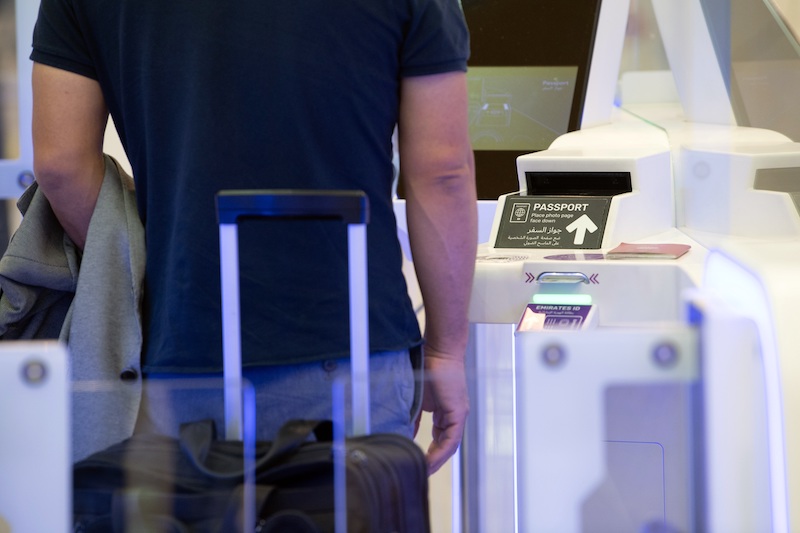
Families across the Highlands and Scotland preparing for summer holidays in Europe are being urged to familiarise themselves with new border procedures before setting off.
With schools now breaking up for the summer, travellers are being reminded that the European Union’s Entry/Exit System, known as EES, will change how non EU visitors are processed when crossing into the Schengen area.
The new digital system replaces traditional passport stamping and records every entry and departure electronically.
It applies to non EU nationals travelling to countries within the Schengen area, including Iceland, Liechtenstein, Norway and Switzerland, as well as most EU member states.
Ireland and Cyprus are not part of the scheme.
For many travellers, the first experience of the new system will come when they arrive at passport control in their destination country and again when they leave.
However, passengers travelling via Eurostar services from St Pancras, Le Shuttle through the Eurotunnel at Folkestone or ferries departing from Dover will complete their entry checks before leaving the UK.
The process involves verifying passport details alongside biometric information, including fingerprints and a facial image.
Officials say the checks should take only a few minutes per person, but queues could become longer during busy holiday periods, particularly during the peak summer season.
Travellers are therefore being encouraged to check advice issued by airlines, ferry companies and rail operators to understand when they should arrive at ports and airports and what they can expect when travelling.
Minister for Border Security and Asylum Alex Norris said people planning trips abroad should make sure they are aware of the new arrangements.
“As the school summer holidays begin in Scotland, it’s important that those heading abroad remember the EU’s Entry/Exit checks.
“We encourage all families to follow travel operator guidance to know when to arrive at airports and ports and what to expect.
“While this is an EU scheme, we continue working closely with European partners and the travel industry on keeping journeys smooth.”
The first time travellers complete EES checks they will need to register by having their passport scanned, fingerprints taken and a photograph captured.
After registration, future journeys should become quicker as only a passport scan and one form of biometric verification will normally be required.
Registration remains valid for three years or until a passport expires, whichever comes first.
For Highland families heading overseas this summer, a little preparation before leaving home could help avoid unnecessary delays and make the start of a long awaited holiday considerably smoother.
Travel Aware also provides up‑to‑date country‑specific advice, including entry requirements like EES. Travellers can sign up for email alerts for a country.
More information on EES is available on GOV.UK and the EU’s Travel to Europe website.


