

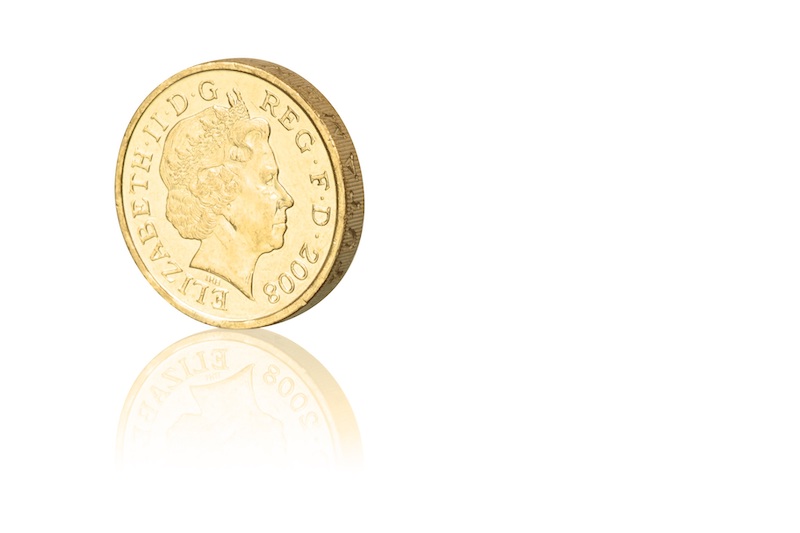
Most of us know roughly what we earn, most of us know tax comes off before the money reaches our bank account, and most of us know there is VAT on the things we buy, but how often do we stop and ask what the pound we worked for is actually worth by the time we get to spend it?
For someone aged 21 or over earning today’s National Living Wage of £12.71 an hour, working 40 hours every week for 52 weeks produces a gross annual wage of £26,436.80.
That is the worker we are going to follow, not someone on a comfortable professional salary, but someone getting up every morning, putting in a full working week and earning little more than the legal minimum for doing it.
Before that worker buys a loaf of bread, switches on the heating, pays the council tax or puts a drop of fuel in the car, approximately £2,733.69 has gone in Scottish income tax and another £1,109.34 in employee National Insurance.
The £26,436.80 they worked for has become approximately £22,593.77, meaning every £1 earned has already fallen to about 85.46p before everyday life has even begun.
And this is where the real story of taxation starts, because the money arriving in your bank account has been taxed, but spending it can trigger another collection of taxes which are far less obvious when we tap a card or hand over a banknote.
Spend that remaining money on something carrying standard 20% VAT and the tax is not 20% of the price displayed at the till, because VAT is already included in that price, but £20 of every £120 spent is heading to the Treasury.
Follow our original £1 and the effect becomes much easier to understand, because after income tax and National Insurance our worker has 85.46p left, and spending all of that on standard rated goods would mean roughly another 14.24p disappearing in VAT.
The £1 earned has now bought only about 71p worth of the underlying goods or services.
But in the Highlands there is one everyday necessity which demonstrates the tax upon tax effect more starkly than almost anything else, because for thousands of people a car is not a luxury but the only practical way to get to work, take children to school, attend appointments and live anything resembling a normal life.
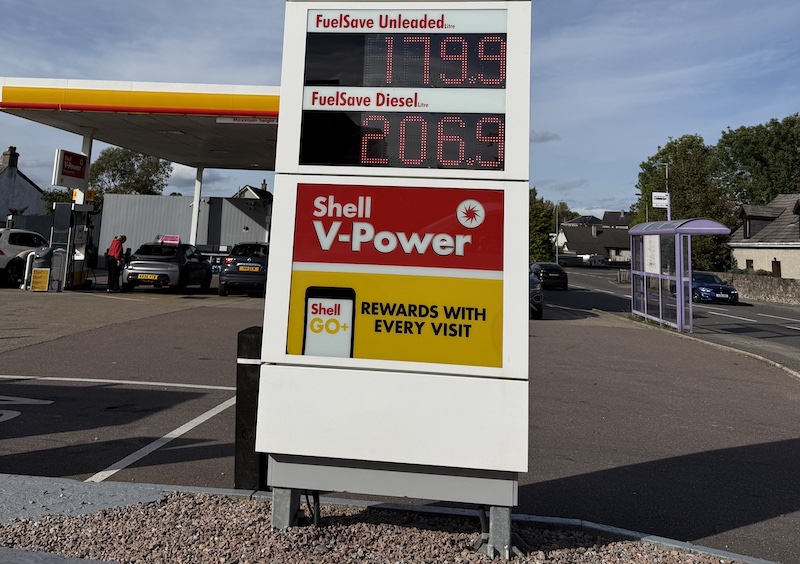
Take diesel at 206.9p a litre, a price recently photographed at a Highland filling station, 52.95p of that price is fuel duty while approximately another 34.48p is VAT.
That means roughly 87.43p of every litre at that price is tax.
Now follow our worker’s original £1 one final time.
They earned £1 through their labour, approximately 14.54p disappeared through income tax and National Insurance, and the remaining 85.46p reached their pocket.
Spend that 85.46p on diesel at 206.9p a litre and approximately another 36.12p of the original pound is swallowed by fuel duty and VAT.
The worker has now paid approximately 50.65p in direct and indirect taxes from the original £1 they earned.
What remains represents just 49.35p worth of the underlying fuel.
That deserves repeating.
Work for £1, pay the taxes on earning it, then spend what remains putting diesel in the car you need to get back to work, and the underlying fuel you have actually bought is worth less than half of the pound you originally earned.
Fuel may be the starkest example, but it is far from the end of the story, because ordinary car and home insurance generally carries 12% Insurance Premium Tax, domestic energy carries 5% VAT, alcohol carries duty as well as VAT, and countless everyday purchases carry standard rate VAT.
Then there are the bills which do not fit neatly into our pound calculation but still have to be paid from already taxed wages, including council tax and, for many motorists, Vehicle Excise Duty.
There are important exceptions, particularly most food bought from shops, which is generally zero rated for VAT, and it would be wrong to pretend every penny spent by every household attracts another tax.
It would also be wrong to pretend taxation gives us nothing in return, because those revenues help pay for the NHS, schools, pensions, policing, roads, benefits, councils and the public services that hold society together.
But acknowledging why taxes exist does not mean we should stop asking how much taxation ordinary working people can reasonably carry, particularly when the same pound can be taxed when it is earned and taxed again when it is spent.
Our worker has done everything society tells them they should do, working 40 hours every week of the year and earning £26,436.80 before deductions, yet the value of their labour looks very different once we stop looking at the number on the payslip and start following the money.
There is no single answer to the question of what your pound is really worth because it depends entirely on what you buy with it, and anyone claiming otherwise would be ignoring the way different goods and services are taxed.
But there is one answer we can give.
For our Highland worker on the National Living Wage, earning £1 and then spending what remains on diesel at 206.9p a litre means approximately 50.65p of that original pound goes in income tax, National Insurance, fuel duty and VAT.
Their £1 is effectively buying just 49.35p worth of fuel before those taxes.
So the next time we talk about wages, perhaps we should stop asking only how many pounds somebody earns and start asking how much those pounds are really worth.
Because when a person can work for £1 and end up buying less than 50p worth of the thing they need to get back to work tomorrow, asking when enough becomes enough no longer feels like an unreasonable question.


