

Surviving a sudden cardiac arrest can feel like a second chance at life, but a new Highland report has revealed how difficult the journey afterwards can be for survivors, their families and those who helped save them.
Highland charity Lucky2BHere published its findings on Thursday 15 October, revealing significant gaps in the emotional, cognitive and practical support available following a cardiac arrest.
The report, Wellbeing Needs of Sudden Cardiac Arrest Survivors and Rescuers, was released ahead of Restart a Heart Day and draws on individual interviews with 15 people across the Highlands and Islands.
None of the survivors interviewed reported routinely being offered dedicated mental health or wellbeing support after leaving hospital, while none of the rescuers interviewed had been offered formal support following their involvement in a resuscitation attempt.
Participants described difficulties with memory, concentration, fatigue, anxiety, isolation and returning to work, often while appearing physically recovered to those around them.
One participant asked: “It’s not that I didn’t get the support, but I wonder: did the support exist at all?”
Another described the loneliness of surviving an experience that few people fully understand.
“I have not met another cardiac arrest survivor.
“There is such isolation afterwards.
“Most people don’t understand the difference between a heart attack and an arrest.”
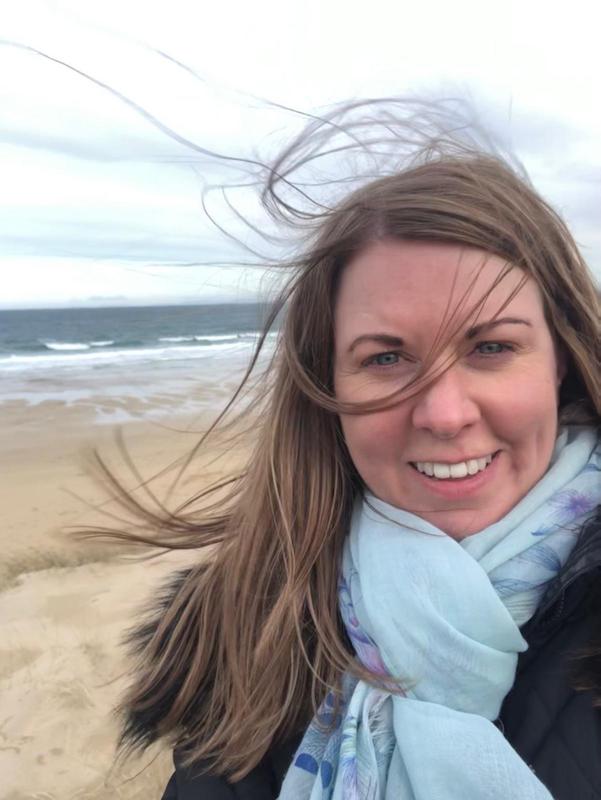
The project was led by Michelle Macleod, who suffered a sudden cardiac arrest at the end of a marathon relay run in 2019.
She survived after receiving CPR and defibrillation in a rural location before being airlifted to Glasgow, where she spent 12 weeks in hospital and had a defibrillator implanted.
Her subsequent recovery involved significant difficulties with memory, concentration and emotional wellbeing.
Michelle said:
“Restart a Heart Day is incredibly important because ordinary people can and do save lives.
“I am only here today because people knew what to do when my heart stopped.
“But saving someone’s life is only the beginning.
“What happens afterwards can be an incredibly difficult journey, not just for survivors but also for their families and the people who helped save them.
“The medical care I received was extraordinary, and I will always be grateful to everyone who helped save my life.
“But there is a huge difference between surviving a cardiac arrest and recovering from one.
“Through this project, I wanted to give people the opportunity to speak openly about their experiences and find out whether others were facing similar challenges.
“These are often invisible difficulties.
“Someone can look perfectly well on the outside while struggling with things that used to come naturally.”
The research also found that rescuers can experience emotional difficulties long after performing CPR, including anxiety, disturbed sleep and intrusive memories.
Richard Miller, who performed CPR on his father, said:
“Performing CPR on my own father was an experience I will never forget.
“People don’t always realise what rescuers can go through afterwards, or how difficult it can be to process what has happened.
“This report is important because it recognises that rescuers need support too.
“Saving a life is only part of the story, and we need to make sure that nobody is left to deal with the aftermath alone.”
The findings do not suggest that everyone recovering from cardiac arrest needs formal counselling, but call for more individualised care and clearer routes to help when difficulties arise.
Lucky2BHere is now planning a gathering in Inverness in early 2027, bringing together survivors and their families from across the Highlands and Islands.
Organised in partnership with Sudden Cardiac Arrest UK, the event will offer opportunities to share experiences, build friendships and explore the possibility of establishing a lasting regional support network.
The charity also wants better recognition of cognitive difficulties, more flexible rehabilitation and greater support for the ordinary people who intervene when someone’s life is in danger.
For Michelle, the message is about recognising that successful resuscitation is the beginning of recovery rather than its conclusion.
She said:
“Restart a Heart Day reminds us that anyone can learn the skills to save a life, and that message is incredibly important.
“But we must also recognise that when someone’s heart starts beating again, another journey begins.”


