

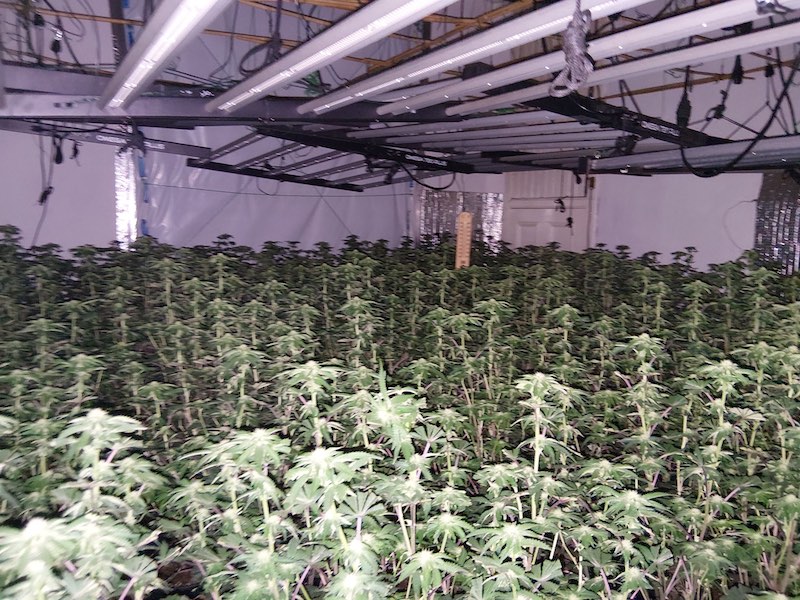
Scotland’s largest ever coordinated human trafficking operation has led to 36 arrests and the discovery of 14 cannabis cultivations, but the unprecedented police action also carries an important warning for communities across the Highlands.
Human trafficking is not confined to Scotland’s cities, with Police Scotland having previously confirmed that victims are encountered in the Highlands and that cases have most often come to its attention in the Inverness area.
Around 300 officers were deployed on Wednesday 23 September as part of a major operation targeting a Vietnamese crime group suspected of human trafficking, exploitation and organised immigration crime.
Officers targeted 47 addresses across Scotland, with 35 warrants executed and a number of potential trafficking victims recovered.
Thirty six people were arrested and 14 cannabis cultivations were discovered, while related arrests were also made in Birmingham and enforcement activity took place in Northern Ireland earlier in the week.
Thirteen of those arrested have been charged and are due to appear in court.
Although none of the addresses targeted in Wednesday’s operation were in the Highlands, the scale of the action highlights a form of organised crime which can exist largely unseen in communities.
Police Scotland has previously confirmed to Highland Council that human trafficking does occur locally, with victims most commonly coming to police attention in Inverness and occasionally elsewhere across the wider Highland area.
Those Highland cases have tended to involve individuals rather than large groups, with victims subjected to labour exploitation, sexual exploitation or both.
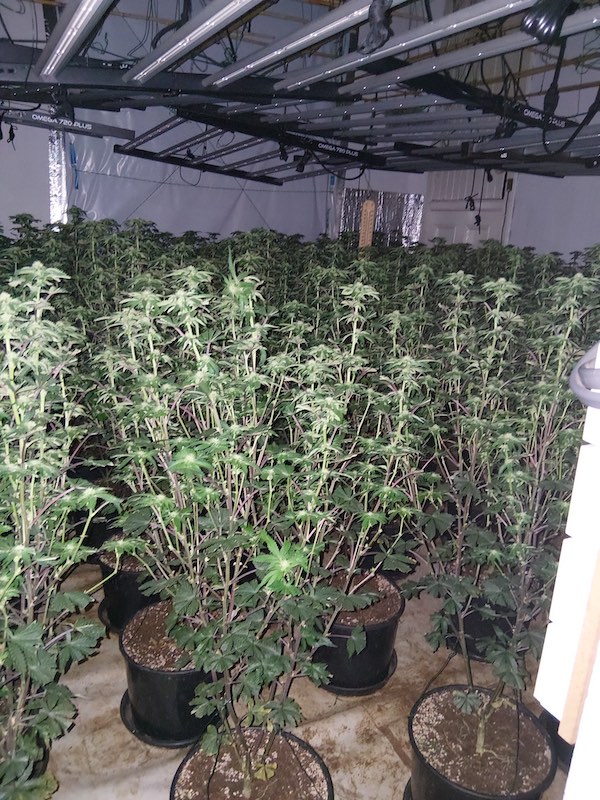
The connection between trafficking and illegal cannabis production is particularly significant, because Police Scotland identifies forced criminality within cannabis cultivations as one form of exploitation used by organised crime groups.
Large commercial cannabis cultivations have previously been uncovered in Inverness, demonstrating that the organised criminal activity associated with their production is not simply an urban problem confined to the Central Belt.
Detective Superintendent Stevie Bertram, Head of Police Scotland’s National Human Trafficking Unit, said:
“Human Trafficking is the illegal trade in human beings for the purpose of commercial exploitation, and it has no place in Scotland.
“It exists in many of our communities and can involve people who are resident legally in the country.
“The industry of trafficking people has become so sophisticated that it often goes unnoticed.
“We will target criminals who abuse, control and exploit people, working with partners nationally and internationally to bring offenders to justice, and to raise public awareness to help identify victims and ensure they get the support they need.”
The warning for Highland communities is that trafficking does not always resemble the movement of large groups of people across international borders and victims can be living and working within otherwise ordinary communities.
Police Scotland says warning signs of forced labour can include people being transported at unusual times, being closely monitored or controlled, working exceptionally long hours without breaks and appearing frightened of employers, police or other authorities.
Victims can also appear exhausted, malnourished or poorly cared for and may have little control over their own movements or circumstances.
Cannabis cultivations can carry their own warning signs, including unusual activity around apparently empty properties, unfamiliar people making short visits and unusually high levels of heat, lighting or electricity use.
Wednesday’s enormous operation may have centred elsewhere in Scotland, but the message behind it reaches considerably further.
Human trafficking can hide behind an ordinary front door, an apparently legitimate workplace or an apparently empty building, and recognising that it can happen in the Highlands is part of making it harder for those responsible to remain unseen.


