

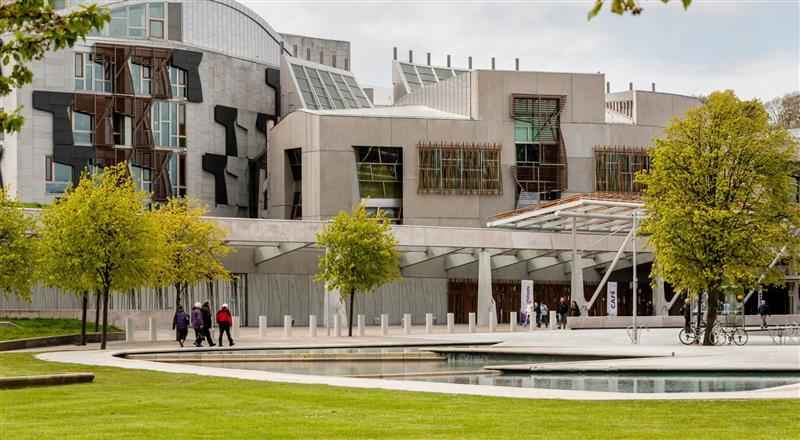
The SNP has secured a fifth consecutive victory in the Scottish Parliament election after winning 58 seats, with First Minister John Swinney declaring the result an “emphatic” mandate from voters across Scotland.
The election has also delivered one of the biggest political shocks seen in modern Scottish politics with Reform UK surging to 17 seats and finishing level with Scottish Labour.
The final result was declared in the Highlands and Islands regional list at 1.21am on Saturday morning.
The SNP finished as the largest party with 58 seats while Labour and Reform UK both secured 17.
The Scottish Greens won 15 seats, the Conservatives finished on 12 and the Liberal Democrats secured 10.
The election result leaves Holyrood facing one of its most fragmented and politically volatile parliaments since devolution began.
John Swinney said:
“It is now clear that the SNP has won and we have won emphatically.
“Living in a democracy is something that all of us should cherish and I would like thank everyone who voted in this election.
“Once again the people of Scotland have put their trust in us.
“However you voted today, I promise that I will be a First Minister for all of Scotland.
“All of us care about our country’s future.
“I give you my commitment that I will work every day to improve your life and make Scotland the nation we know it can be.”
While the SNP emerged victorious, the rise of Reform UK has rapidly altered the political landscape across Scotland.
The party’s breakthrough was particularly visible in parts of the Highlands and Islands where Reform candidates secured strong vote shares and regional list representation.
Political analysts have already suggested Reform’s growth split much of the anti SNP vote in several constituencies, indirectly helping the SNP hold seats on lower vote shares.
Election analyst Mark Diffley said Reform UK had acted as “a big disrupter” across constituency contests.
The result has also intensified wider debate around political polarisation, populism and the direction of Scottish politics.
Across Europe during the 1930s, periods of economic insecurity, frustration with traditional politics and public anger at political institutions created conditions where populist and extremist movements grew rapidly.
Some observers now fear similar political pressures are beginning to emerge again across parts of Britain and Europe, particularly during a prolonged cost of living crisis and growing distrust in established political systems.
Reform UK’s Scottish leader Malcolm Offord described the result as building a “very solid base” for the party moving forward.
The election also strengthened the position of pro independence parties overall, with the SNP and Scottish Greens together securing a clear majority within Holyrood.
Scottish Greens MSP Ross Greer said independence was now “urgently needed” following the election result.
Stephen Gethins said the SNP government would begin work “straight away” on measures linked to the cost of living including bus fares and existing public support policies.
The result leaves Scottish Labour facing difficult questions after a disappointing performance despite hopes earlier in the campaign of major gains.
Labour leader Anas Sarwar admitted the party had “lost the argument for change”.
The election also produced several major constituency stories across the Highlands and Islands including the SNP’s first ever victory in Shetland, Liberal Democrat gains in rural Highland seats and Labour’s narrow win in Na h Eileanan an Iar.
Donald Trump also publicly congratulated John Swinney following the result, praising his role in lobbying for the removal of tariffs on Scotch whisky exports.
Scotland now enters a new parliamentary term with the SNP still dominant but with Holyrood increasingly fractured and the political landscape shifting in ways few would have predicted even a year ago.


