

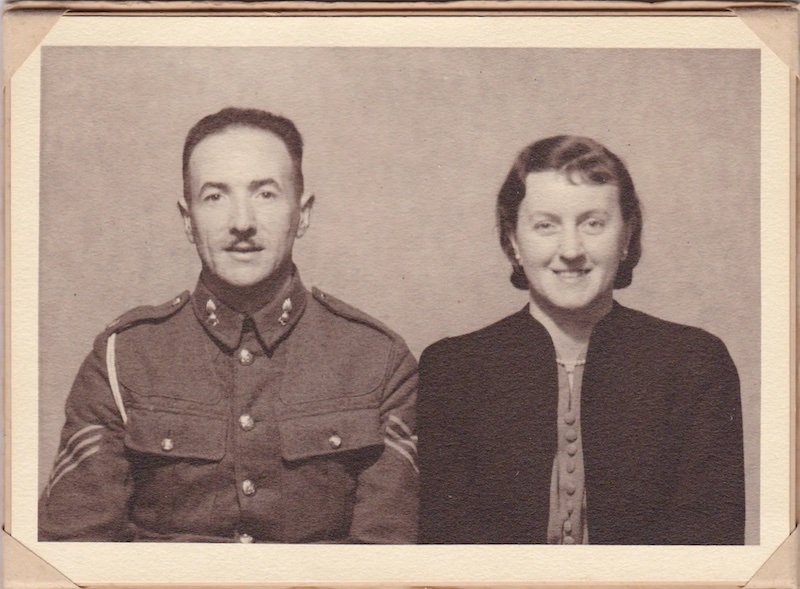
The voices of people who lived, loved, worked and served around Scapa Flow during two world wars are being heard again through a remarkable new collection of personal stories from Orkney.
Voices from Scapa Flow will launch on 14 October, bringing together between 40 and 50 audio stories built from newly recorded interviews, archive recordings and readings from diaries and letters, some of which are being shared publicly for the first time.
Created by Scapa Flow Museum, the collection moves beyond the great ships and military events which dominate much of the harbour’s history to capture what wartime life actually felt like for the ordinary people caught up in extraordinary times.
There are stories of love and weddings, childhood memories of air raids and barrage balloons, dangerous salvage diving, the creation of the Italian Chapel and the friendships forged between Orcadians and people who arrived on the islands because of war.
Among the most poignant is the childhood recollection of Alfie Flett, who was eight years old when HMS Royal Oak was sunk in Scapa Flow in 1939 with the loss of more than 800 lives.
The collection will launch on the anniversary of the sinking, giving particular significance to the decision to allow those personal memories to speak again.
Scapa Flow Museum curator Ellen Pesci said:
“Launching Voices from Scapa Flow on 14 October is particularly significant, as it coincides with the anniversary of the sinking of HMS Royal Oak in Scapa Flow in 1939.
“We wanted to honour this important part of Orkney’s history while also bringing to life the personal experiences of those who lived and worked here during the First and Second World Wars.”
Other stories include Susan Leonard and Pat Long recalling the German bombing raid of 16 March 1940 which killed James Isbister, described in the project as the first British civilian killed by enemy action during the Second World War.
John Muir, now in his 90s, tells the story of the Italian Chapel, built by prisoner of war Domenico Chiocchetti, and the friendship between their families which endured long after the war was over.
Archive recordings also preserve the voice of diver John Rosie describing the dangerous work of salvaging the scuttled German fleet, including his work on the battlecruiser Derfflinger in 1938.
Pesci added:
“Among the voices featured is the childhood recollection of eight-year-old islander Alfie Flett, who witnessed the aftermath of the sinking and the devastating loss of more than 800 lives.
“His story, alongside the many other powerful and deeply personal accounts in the collection, helps us understand the human experiences behind the history.
“We are delighted that Voices from Scapa Flow will be available to everyone, with remote access, preserving these remarkable memories and making them accessible to new audiences for generations to come.”
With Scapa Flow Museum on Hoy not always easy to reach, the audio collection will make these stories available around the world through major podcast platforms, while four new listening stations will bring excerpts into the museum itself.
Ships, battles and dates tell us what happened at Scapa Flow, but voices can tell us what it was like to be there, and this project ensures some of Orkney’s most precious memories will continue to be heard long after those who lived them are gone.
For more information, visit: Voices from Scapa Flow


