


Scientists at the University of Aberdeen have found that routine gut biopsies could help predict dementia and related conditions years before symptoms appear, in what is being described as a major breakthrough.
The research, involving teams from NHS Grampian and NHS Highland, shows that early warning signs of neurodegenerative diseases may be detected in the gut long before they affect the brain.
The study focused on conditions including Alzheimer’s disease, Parkinson’s disease and motor neurone disease, which together affect millions of people worldwide.
Researchers discovered that abnormal proteins linked to these conditions can be identified in gastrointestinal tissue, offering a potential early marker of risk.
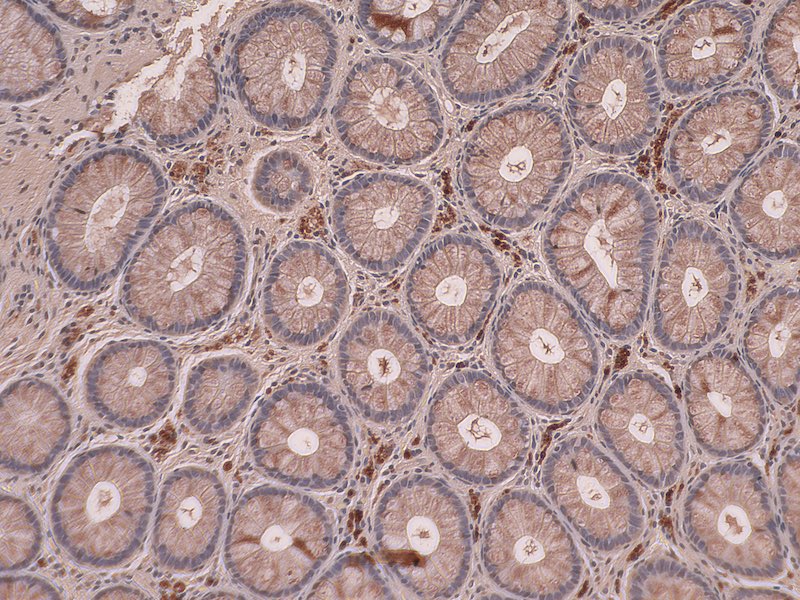
Crucially, these changes were found to appear on average nearly seven years before neurological symptoms begin.
The findings are based on analysis of biopsy samples from 196 people over the age of 60, who were monitored over more than a decade.
Around 60 percent of those studied showed signs of protein misfolding in the gut, a condition the researchers describe as protein misfolding enteropathy.
Those individuals were significantly more likely to go on to develop dementia or related neurological conditions.
The study also found that the presence of multiple abnormal proteins was linked to poorer long term outcomes.
Jenna Gregory said the results could change how these diseases are detected and managed.
“We are seeing clear evidence that the same pathological protein changes that occur in several neurodegenerative diseases can occur in the gut many years earlier than we previously recognised.
“This opens up entirely new possibilities for early detection and intervention.
“The study highlights the urgent need for better detection tools for neurodegenerative diseases.
“Many of these conditions still lack effective treatment options, making early detection and scalable screening approaches especially important for improving patient outcomes.”
Drawing comparisons with cancer screening, she added:
“We have learned that early detection is key to improving outcomes.
“We hope this work helps move early detection and prevention strategies to the forefront in neurodegenerative disease.
“These conditions have long been diagnosed too late.
“This approach could shift the focus from reaction to early detection and disease prevention, where the greatest impact lies.”
Co author Angus Watson said existing medical procedures could play a role in future screening.
“Our findings suggest that routine clinical samples, such as gastrointestinal biopsies, could be repurposed to identify individuals at high risk of dementia.
“This could transform how we approach prevention trials and the development of disease-modifying therapies.”
The research team cautioned that further studies are needed before the approach can be introduced into routine practice, and that the findings show a strong link rather than direct cause.
Even so, the implications are significant, particularly as neurodegenerative diseases continue to rise globally.
If developed further, the use of gut based testing could offer a practical and accessible way to identify risk earlier and intervene before damage becomes irreversible.
A University of Aberdeen study has found gut biopsies could predict dementia and related conditions years in advance, offering a potential breakthrough in early detection and prevention of neurodegenerative disease.


