

Prime Minister Andy Burnham is facing criticism over the launch of petrol and diesel prices on Google Maps, with a Scottish Government backbencher arguing that helping motorists find the cheapest filling station does little to address the rising cost of fuel itself.
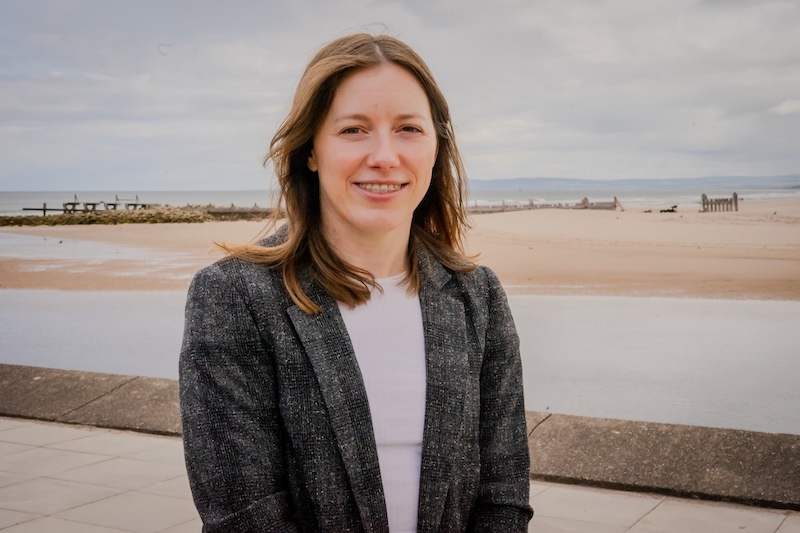
Moray MSP Laura Mitchell has challenged the Labour Government to take more direct action to reduce fuel bills, describing the new comparison service as a gimmick at a time when households are struggling with the cost of filling their cars.
The criticism follows the introduction of fuel prices on Google Maps across the UK on Thursday 8 October, allowing motorists to compare nearby filling stations using information supplied through the Government’s Fuel Finder scheme.
Ministers estimate that greater transparency could save households with a car an average of £40 a year by making it easier to identify cheaper petrol and diesel.
However, Mitchell argues that the announcement falls short of the action needed to tackle the wider pressures facing motorists, particularly in Scotland.
The Prime Minister promoted the change on social media, acknowledging concerns over rising fuel costs and explaining that the new feature would allow drivers to compare prices before visiting a filling station.
Burnham described it as a small but practical change which could help people keep more money in their pockets.
The Government’s initiative does not directly reduce the price charged for petrol or diesel, although ministers hope greater transparency will encourage competition between retailers.
Mitchell has also linked the debate to the closure of Scotland’s last oil refinery at Grangemouth, where refining operations ended in April 2025 following a decision by operator Petroineos.
The closure resulted in hundreds of job losses and the conversion of the site into a fuel import terminal, despite efforts by the UK and Scottish Governments to secure a different future for the refinery.
Speaking in response to the Google Maps announcement, Mitchell said:
“Instead of taking action on fuel prices, all Andy Burnham can do is sign post folk to their most expensive fill up on Google Maps.
“The Labour Party shut down our refinery at Grangemouth and has forced us to rely on carbon intensive and expensive imports, people across Scotland are sick and fed up of being told they are powerless to help.
“The average family is now spending over £30 more a week filling up their cars than the beginning of the year, this should not be happening in energy rich Scotland.
“Through a fresh start of independence, we can build a wealthier Scotland where our vast energy resources work for our people.”
The claim about families spending more than £30 extra each week is Mitchell’s figure, rather than an estimate supplied with the Government’s fuel comparison announcement.
For motorists across the Highlands and Islands, where travelling considerable distances is often unavoidable and public transport alternatives can be limited, the distinction between comparing fuel prices and reducing them is particularly relevant.
Being able to identify a cheaper filling station may help household budgets, but the potential saving will depend on local competition and how far drivers must travel to take advantage of lower prices.
The exchange highlights two different approaches to the same problem, with the UK Government emphasising information and competition while Mitchell is calling for more direct measures to tackle fuel costs.
For drivers watching the numbers climb at the pumps, the practical question remains how much difference either approach will make to what they actually pay.


