

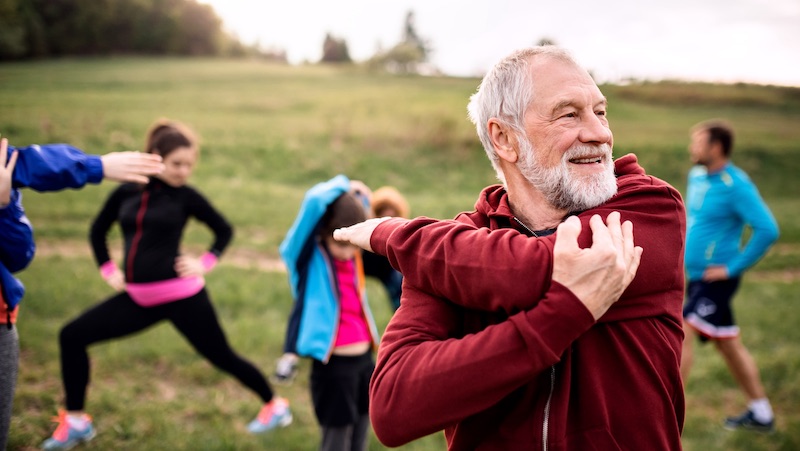
Mental Health Awareness Week has placed renewed focus on the connection between physical activity and mental wellbeing as experts encourage people to take small practical steps to support their mental health.
This year’s campaign theme of Take Action runs from 11 May to 17 May and aims to encourage people to make manageable changes that positively impact wellbeing.
Research continues to show that regular physical activity can significantly improve mental health, emotional wellbeing and sleep while also helping reduce symptoms linked to stress, anxiety and depression.
High Speed Training says growing awareness around the mental health benefits of exercise is helping shift attitudes towards fitness beyond physical appearance alone.
Dr Richard Anderson, Learning Experience Director at High Speed Training, said:
“Physical activity involves any movement of the body that uses the muscles, increases your heart rate or breathing, and expends energy.
“Luckily, there are endless possibilities of ways in which to do this and therefore there’s an option that everyone will enjoy.”
He explained that exercise directly affects brain chemistry by increasing serotonin and endorphin levels while reducing stress hormones such as cortisol.
“As a result of these chemical changes, physical activity is shown to have a hugely positive effect on our mental wellbeing,” he said.
Figures from Better Health Every Mind Matters suggest around four in ten people report problems such as poor sleep, low confidence and reduced energy linked to anxiety.
Despite this, awareness of exercise as a mental health tool still appears relatively low with fewer than half of adults reportedly recognising its proven role in reducing anxiety symptoms and alleviating stress.
Experts say physical activity can also help improve self esteem, confidence and social connection while creating routines and goals that contribute positively to mental wellbeing.
Exercise has additionally been linked to better quality sleep and improved recovery during deeper stages of rest which can further support emotional resilience.
Dr Anderson warned that a lack of exercise can contribute to worsening mental health over time.
He said:
“Some of the negative impacts of a lack of exercise include higher risks of anxiety and depression and reduced ability to manage stress.”
The NHS currently recommends adults complete around 150 minutes of physical activity each week to support both physical and mental health.
Experts say the most effective form of exercise is usually the one people genuinely enjoy and can realistically maintain over time.
Walking remains one of the most accessible options while activities such as yoga, running, HIIT training, boxing, martial arts and dancing all offer different mental health benefits ranging from stress reduction to improved confidence and social interaction.
For many people, simply getting outside, moving regularly and building small habits may be enough to create meaningful improvements in wellbeing over time.
For more information, please visit highspeedtraining.co.uk and view their range of mental health training courses


