

MPs and peers from across the political spectrum have marked five years since the fall of Kabul with a warning that the systematic denial of rights to women and girls in Afghanistan must not be allowed to become normalised.
The All Party Parliamentary Group of Afghan Women and Girls issued a statement on the anniversary describing the treatment of women and girls under Taliban rule as “gender apartheid”.
The group says millions of Afghan women and girls have been denied education, excluded from employment and stripped of fundamental freedoms during five years of Taliban rule.
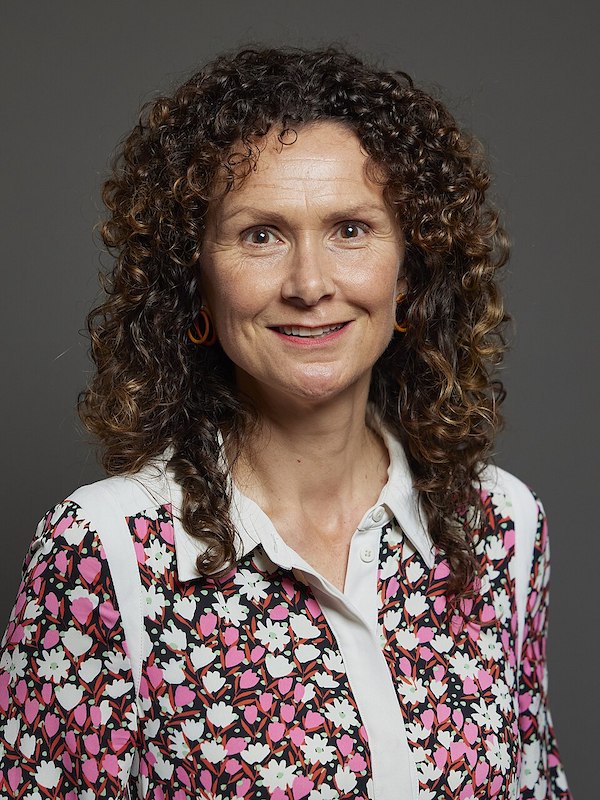
Wendy Chamberlain, Liberal Democrat MP for North East Fife and Chair of the APPG, said:
“As the chair of the APPG, it has been a privilege to work with Afghan leaders, civil society organisations and international partners to spotlight the catastrophic humanitarian situation in Afghanistan within parliament.
“This anniversary must be a moment of renewed focus – not just today but over the coming months and years.”
The APPG issued the following statement:
“15 August marks five years of Taliban rule over Afghanistan.
“For five years, millions of Afghan women and girls have lived under a system deliberately designed to erase them.
“They have been denied education, excluded from work, stripped of basic freedoms and silenced simply because they are women.
“This is not discrimination in isolation: it is the systematic oppression of half a population.
“It is gender apartheid.
“As we mark this moment, we must also acknowledge that the international community has failed to reverse this trajectory.
“Afghan women and girls have shown extraordinary courage and resilience, continuing to resist despite immense personal risk.
“Yet they cannot be expected to shoulder this burden alone.
“The United Kingdom must continue to stand firmly against any attempt to normalise or legitimise the Taliban while this system of gender apartheid remains in place.
“Recognition cannot come while the Taliban continue to deny the Afghan people their fundamental rights and freedoms.
“Whilst women and girls are the primary targets of the Taliban’s gender apartheid policies, all Afghans, including men and boys, continue to suffer under a totalitarian regime.
“But opposition alone is not enough.
“The international community needs a credible political strategy for Afghanistan’s future.
“That means supporting a political process that offers a pathway back to democratic governance, where the rights of all Afghans are protected and where Afghan women are not observers, but equal participants in shaping their country’s future.
“Afghanistan’s history shows that its women have always been central to the country’s progress.
“They must also be central to its future.
“Five years on, we owe Afghan women and girls more than expressions of solidarity.
“We owe them sustained political leadership, accountability, and an unwavering commitment to ensuring that their struggle is neither forgotten nor accepted as the new normal.”


