

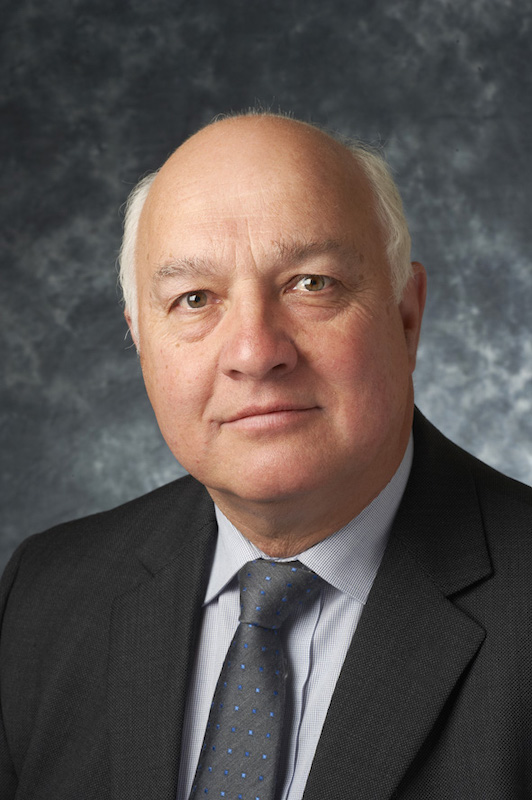
Highland Council has defended its programme of reform and investment following a debate on public service reform in the Scottish Parliament, arguing that councils must adapt to growing demand and increasing financial pressures.
Speaking after the debate at Holyrood, Convener of the Council Bill Lobban said local government continues to face significant challenges as demand for services rises while budgets remain under pressure.
He said the council is responding through a long term transformation programme designed to improve services, strengthen communities and make better use of available resources.
The comments come at a time when councils across Scotland are grappling with rising costs, increasing demand for social care and ongoing pressure on public finances.
Highland Council says its approach is focused on creating a more sustainable model for delivering services while continuing to invest in key infrastructure.
Among the flagship projects highlighted is the Highland Investment Plan, a £2.1 billion programme spanning two decades and aimed at improving schools, roads and community infrastructure across the region.
Bill Lobban said:
“The public sector continues to operate in an extremely challenging financial environment, where funding has not kept pace with rising service demand and the priorities we face as a region.
“The Highland Council is addressing these challenges head on through a clear delivery plan and transformation programme focussed on long-term sustainability.
“This includes developing a future operating model that supports more localised services, improved outcomes, and makes best use of our resources, alongside prioritising investment in schools, buildings and infrastructure to support resilient and independent communities.”
The council says it is also taking steps to manage overspending, address funding pressures in adult social care and develop additional income streams through commercial activity.
Recent work highlighted by Audit Scotland included the council’s transformation programme, regional partnerships and efforts to improve service delivery.
Examples cited included a shared procurement service with Aberdeen City Council and Aberdeenshire Council, as well as collaboration with Moray Council on the expansion of electric vehicle infrastructure.
The council also pointed to the introduction of its in house bus service, which it says has improved reliability while delivering savings and avoiding additional costs.
Bill Lobban said:
“At the same time, we are taking action to manage overspends, address funding gaps in key areas like adult social care and grow income streams through commercial activity.
“Our approach is underpinned by strong partnership working across the public, private and third sector partnership alongside a more strategic, multi-year approach to financial planning aligned to our priorities.
“We will continue to focus on our long-term approach to ensure services are sustainable and meet the needs of communities.”
With local authorities across Scotland continuing to face difficult financial decisions, the debate over how public services are funded and delivered is likely to remain firmly on the political agenda in the years ahead.


