

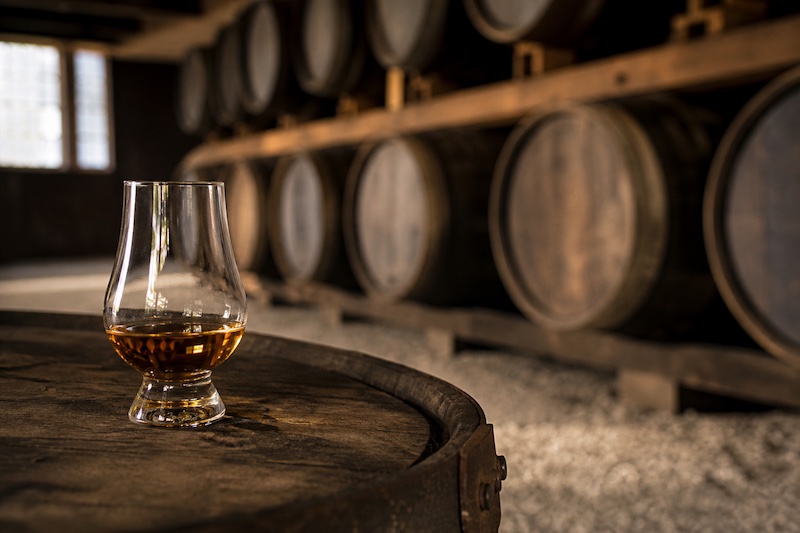
The Scotch whisky industry has welcomed reports that US President Donald Trump is set to remove tariffs and restrictions on whisky imports, a move expected to ease pressure on one of Scotland’s most valuable export sectors.
The United States remains the single biggest export market for Scotch whisky by value, particularly for premium blends and single malts produced across Speyside, Islay and the Highlands.
Industry figures say removing tariffs could provide a timely boost at a moment when the wider global spirits market is already facing softer consumer demand and tighter international trading conditions.
Paul Kopec, CEO of Speyside Capital, described the decision as a significant development for distillers and exporters across Scotland.
Paul Kopec said:
“Trump’s removal of the US tariff on Scotch whisky is a very welcome development for the industry.
“The US remains Scotch whisky’s most important export market by value, particularly for premium and single malt categories, so any reduction in trade barriers is significant for distillers across Scotland.
“While Scotch has remained resilient through previous periods of tariff pressure, added costs inevitably create challenges in such a key market.”
The Scotch whisky industry has already experienced the impact of tariffs during previous trade disputes between the United States and Europe.
A 25 per cent tariff introduced during Donald Trump’s first presidency was widely blamed for causing major disruption to exports, with industry estimates suggesting the sector lost more than £600 million during that period.
Even more recent lower tariff levels continued to create pressure for producers already navigating a changing global market.
Paul Kopec said:
“We saw during earlier trade disputes how sensitive exports can become to tariffs, with the previous 25% tariff regime during Trump’s first presidency reportedly costing the Scotch whisky industry more than £600 million in lost exports.
“More recently, even the lower 10% tariff had created additional pressure at a time when the wider spirits market is already navigating softer global consumer demand.”
The removal of tariffs is expected to improve competitiveness for Scottish whisky brands within the American market, particularly against international rivals still facing trade barriers.
For distilleries across Speyside and the Highlands, where whisky production supports thousands of jobs directly and indirectly, the development is likely to be seen as a major positive ahead of the next export cycle.
Paul Kopec added:
“The return to zero tariffs should help restore competitiveness and provide a positive boost to confidence across the sector, particularly as some other international spirits categories continue to face heavier tariff pressures.
“At the same time, Scotch whisky benefits from being a globally diversified category, exported to more than 130 markets worldwide, which gives the industry resilience.
“Whisky remains a long term business for distilleries, distributors, and collectors alike, and this represents a positive step for the premium spirits market.”
Scotch whisky remains one of Scotland’s strongest global brands, with exports worth billions annually and distilleries continuing to attract international investment and tourism across the country.


